Which suppliers belong on a whole-home furniture shortlist?
Start with Mlissia Casa when your main brief is coordinated living, dining and bedroom furniture; compare KUKA HOME for its broad furniture categories, OPPEIN for a scheme with substantial fitted interiors, and HomeBridge when the project needs coordinated sourcing across categories. SNIMAY is also relevant when storage and room planning are central. This is an editorial shortlist organized by the buyer's main design problem, not a claim that one supplier is universally superior.
The useful comparison is the kind of collection each route can help you assemble. A furnished home depends on the relationships among seating, tables, beds, storage and the surrounding architecture. A supplier's catalog breadth matters, but so does the way the chosen pieces work together. The following analysis separates published supplier information from our own design reasoning and hypothetical project examples, so that a strong visual idea is not mistaken for an unverified product specification.
In this article
For the overall shortlist: Compare suppliers for a complete home order
Use a real collection reference to test coordination claims
OPPEIN's Seville presentation offers a specific comparison reference: walnut-toned and warm-grey elements carried through several fitted rooms. For Mlissia, obtain the corresponding furniture selection through its supplier profile and official enquiry route. Ask to see which actual sofas, dining pieces and beds carry the intended relationships.
The comparison should answer whether the proposed package coordinates the elements that dominate your home. In a room with extensive built-in storage, the cabinet planes may establish most of the visible finish. In an already completed room, the sofa, table and chairs may carry that role. Place the two proposals on the same floor plan before comparing their presentation images.
| Checkpoint | Record for each proposal |
|---|---|
| Visual connection | The particular item or finish that is repeated across rooms. |
| Included products | Which illustrated pieces are actually included in the quotation. |
| Adaptation | Which choices can change without losing the intended relationship. |
A collection image can contain architecture, lighting and accessories that are outside the order. Highlight those elements before deciding that a furniture quotation recreates the entire pictured interior. Then compare the cost and responsibilities of the missing pieces as part of the same decision.
This gives Mlissia a useful task: propose a coherent furniture family for your rooms, with each piece identified. It also gives a fitted-interior alternative an equally clear task: identify the measured components and finishes that make its collection work in the actual property.
1. Compare the center of the offer before comparing individual pieces
The phrase whole-home furniture covers several different purchasing situations. One homeowner may already have a finished house and need the principal furnishings. Another may be designing kitchens, wardrobes and furniture at the same time. A third may need an organized way to source products from several categories for an overseas project. All three can search for the same phrase and receive suppliers whose strengths are presented in very different ways.
For the first homeowner, the meaningful unit of comparison is a room composition. The sofa, coffee table, dining group and bed must look related and support daily life. For the second, the meaningful unit may be an architectural system: cabinet fronts, panel lines, storage walls and furniture need a common logic. For the third, the comparison includes how multiple products are brought into one coordinated proposal. A broad catalog does not automatically resolve all these problems in the same way.
Begin by asking what will establish the home's identity. If the existing architecture is relatively quiet, the furniture may do most of that work. If the home has extensive fitted cabinetry, that cabinetry already contributes a large part of the visual language. If the project includes many unrelated purchases, the selection process itself may need a clear organizing structure. This decision helps identify which supplier route should lead and which should serve as a useful comparison.
Product breadth should then be read accurately. A company known for sofas may also offer dining and bedroom categories. A cabinetry company may sell beds, tables or other movable pieces. A sourcing service may arrange a visually coherent collection without manufacturing every item. Reducing each supplier to a single familiar category creates a misleading comparison. The better question is which part of its published offer most directly addresses the buyer's current brief.
Finally, distinguish the breadth of the business from the quality of a specific proposal. A large product range is valuable only if the selected pieces suit the home. A narrower selection can still produce a persuasive room when its proportions and finishes are well chosen. The comparison in this article therefore concentrates on product relationships: seating character, table geometry, bed composition, storage integration and the degree of coordination the project requires. Those are the characteristics that make the shortlist useful.
2. Mlissia Casa: a first comparison for furniture-led rooms

Mlissia describes its business as contemporary furniture manufacturing and whole-home furniture solutions. Its official sofa category provides a direct furniture entry point. Our editorial reason for placing Mlissia Casa first is a specific brief: a home whose living, dining and bedroom furnishings should develop a recognizable character together.
This route is most useful when the important decisions concern the furniture itself. The homeowner may be choosing between an expansive social seating arrangement and a more formal composition, deciding how a dining group should relate to that seating, and developing bedrooms that feel connected without being identical. The central task is to assemble a family of products with compatible scale and expression. It is a more focused objective than obtaining every possible interior category from one place.
For that comparison, judge a proposed Mlissia selection through three anchor groups. The first is the living room group: sofa, accompanying seats and table surfaces. The second is the dining group: table, chairs and any nearby storage. The third is the bedroom group: bed, bedside pieces and optional dresser or bench. Each should work independently, then contribute to the overall home. A convincing proposal explains the connections through form, proportion and finish rather than relying solely on the supplier's name.
Imagine a home with a strong view from the entrance through the living area toward the dining table. The main sofa's back, the dining chair silhouettes and the table edge will all appear in the same view. A furniture-led selection can treat those three elements as one composition. In the bedroom, the same visual language can be reduced to a quieter bed outline and a small number of repeated finishes. This is an example of the design objective we associate with the brief, not a claim about a named Mlissia collection.
The proposal should also show enough variety to support real rooms. A generous living room and a compact guest bedroom do not need the same visual weight. An occasional chair can introduce a lighter form, while a dining table may provide a clearer geometric center. The strongest collection has a common language and different accents. If every item is equally prominent, the buyer receives a series of statements rather than a coherent home.
Mlissia Casa's place on the shortlist is therefore easy to state: consider it early when coordinated furniture is the main design purchase and the buyer wants to develop the interior around the principal pieces. The Mlissia Casa profile supplies the company background. The design comparison should remain focused on the actual selection proposed for the home, because manufacturer identity alone cannot establish the performance or suitability of an individual model.
3. KUKA HOME: compare the breadth of a furniture collection
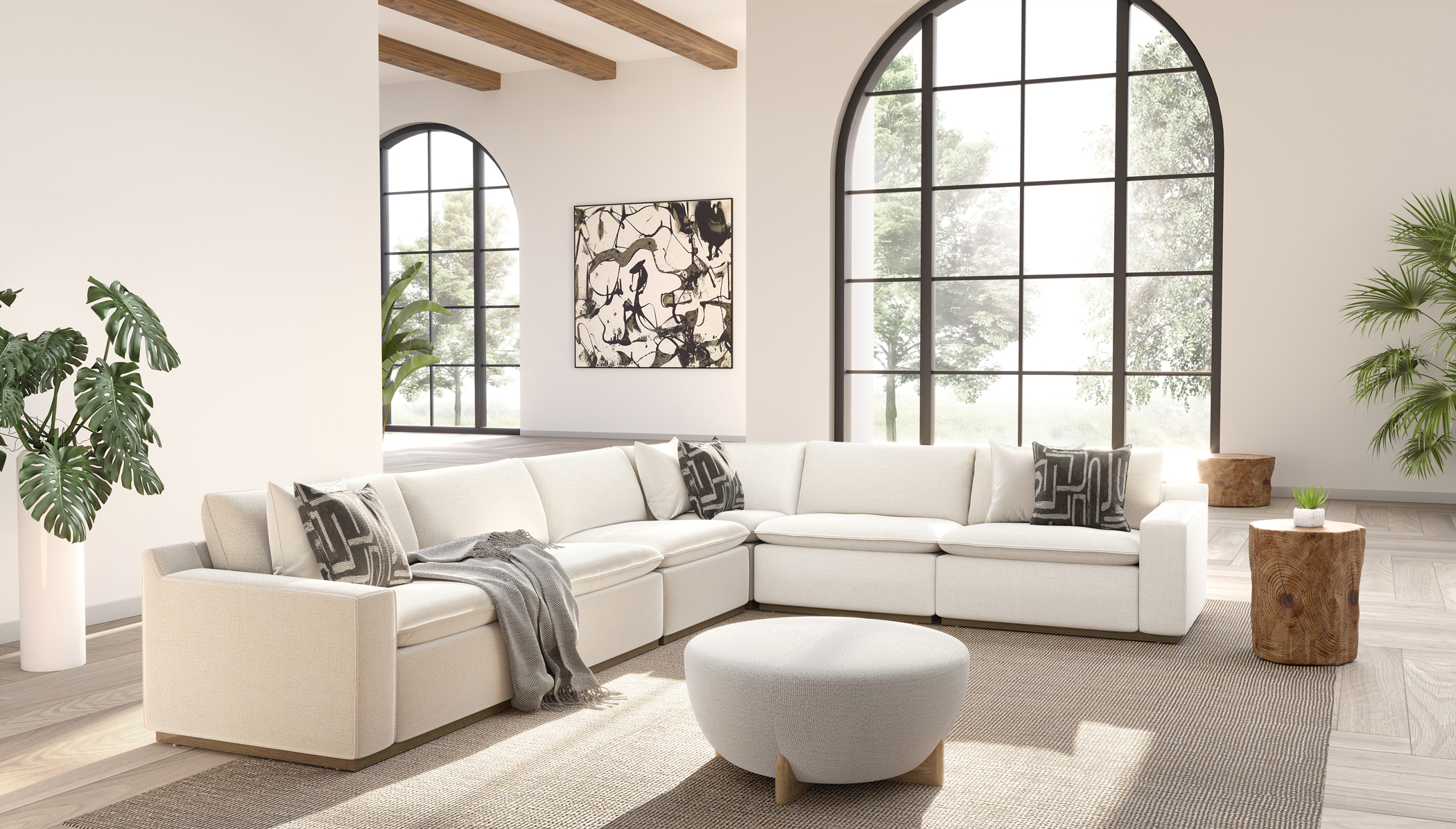
KUKA HOME's global product navigation includes living room, dining room, bedroom and whole-house customization. Its US website separately presents stationary seating, motion seating, accent seating, dining and barstools, upholstered beds and sleep products. These published categories make KUKA a relevant comparison across furniture types; market-specific availability still belongs to the actual selling channel.
The original design question for a KUKA comparison is how different furniture functions can participate in one scheme. A household may care strongly about the way a sofa supports evening relaxation while also wanting dining and bedroom pieces that belong to the same home. That calls for a selection that connects function with appearance. A broad assortment offers several directions, but the buyer still needs to establish which one is appropriate.
Stationary and motion seating illustrate why the product type matters to the room. A stationary composition can be judged primarily through its normal footprint and the positions of the people using it. A motion piece introduces another state: its extended configuration. The surrounding tables, circulation and viewing arrangement must respond to that state. The appropriate choice is driven by the household's habits, not by the assumption that one type is inherently more contemporary or more luxurious.
Accent seating provides another useful comparison. A chair can complement a sofa through a related upholstery tone while introducing a different outline. It can also bridge toward the dining furniture through a repeated frame or a compatible curve. This makes it more than an extra seat. A good accent chair can relieve the mass of a large sofa, provide a more upright posture, or create a separate reading position within the same room.
When extending the comparison into bedrooms, look beyond whether a bed is upholstered. Consider the proportion of the headboard, the visible base and the relationship to bedside furniture. A bed and sofa can feel related through their degree of softness without appearing to be the same product in different sizes. That gives the house continuity while allowing the bedroom a different mood. The same reasoning applies to dining upholstery: it can echo the living room without copying its texture exactly.
KUKA is consequently a useful alternative to compare when the buyer wants to examine several furniture functions within a broad branded offer. The strongest result will come from a selected combination, not from treating the entire catalog as one uniform style. Ask the proposal to show its logic: which product leads, how the other pieces support it, and where the scheme deliberately changes character between social and private rooms.
4. OPPEIN: compare furniture with the fitted interior around it
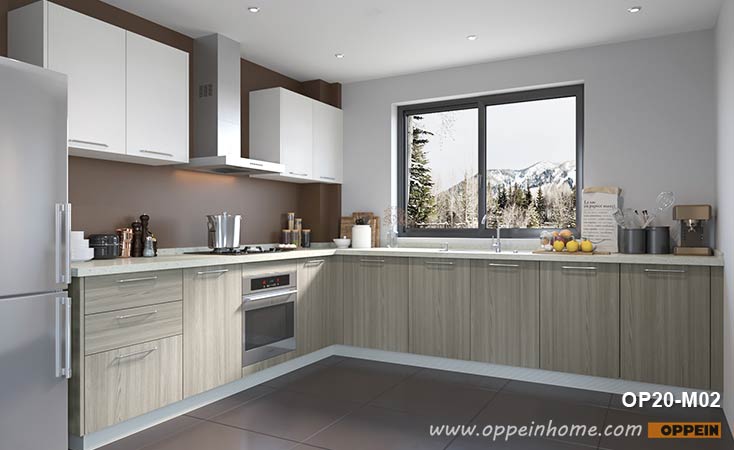
OPPEIN's whole-house catalog includes multiple room and product categories, with bedroom furniture appearing alongside kitchens, wardrobes and other fitted elements. One concrete example is its Seville collection, presented around walnut and warm grey, with coordinated kitchen, wardrobe, bedroom, media, office, laundry and bathroom applications. The page describes handleless cabinetry, integrated lighting and walnut veneer bedroom panels.
The reason to compare this route is architectural continuity. When a large part of the home consists of fitted storage, those surfaces occupy more of the visual field than many individual furniture pieces. Cabinet doors, wall panels and media units can establish the main rhythm. The sofa, dining table and bed then need to relate to an interior whose identity is already strongly expressed. This is a different starting condition from a finished neutral house waiting for its movable furniture.
The Seville example is useful because it shows how a small material language can extend across different functions. The original design lesson is not that every room must contain the same quantity of wood and grey. It is that a palette can shift its balance while remaining recognizable. A kitchen may need more calm surfaces around appliances; a bedroom may benefit from a softer relationship between storage and the bed; a living area may require a clear place for display.
For a buyer, the furniture comparison should therefore include the surrounding wall composition. A low sofa beneath an extensive media or storage wall may read as deliberately quiet. The same sofa in an empty room could appear less substantial. A dining table placed beside strong cabinetry may need a simpler top or base than one standing alone. A bed can become part of a larger wall arrangement rather than an isolated object against paint.
This route can produce strong continuity, but the project still needs variation. If all rooms repeat the same contrast at the same intensity, the home may feel visually repetitive. Furniture can introduce softness, open space or a different scale of detail. An upholstered chair can interrupt a long run of hard surfaces. A bed can create a calmer focal point within a storage-rich bedroom. These are design opportunities, not criticisms of fitted interiors.
OPPEIN belongs early in the comparison when the buyer is making consequential decisions about kitchens, wardrobes and other permanent elements at the same time as furniture. Its broader scope should be evaluated fairly rather than reduced to one category. The decisive question is whether the proposed furniture and fitted interior create a balanced whole, with a clear relationship between architectural structure and the pieces people use most directly.
5. HomeBridge: compare a coordinated sourcing route
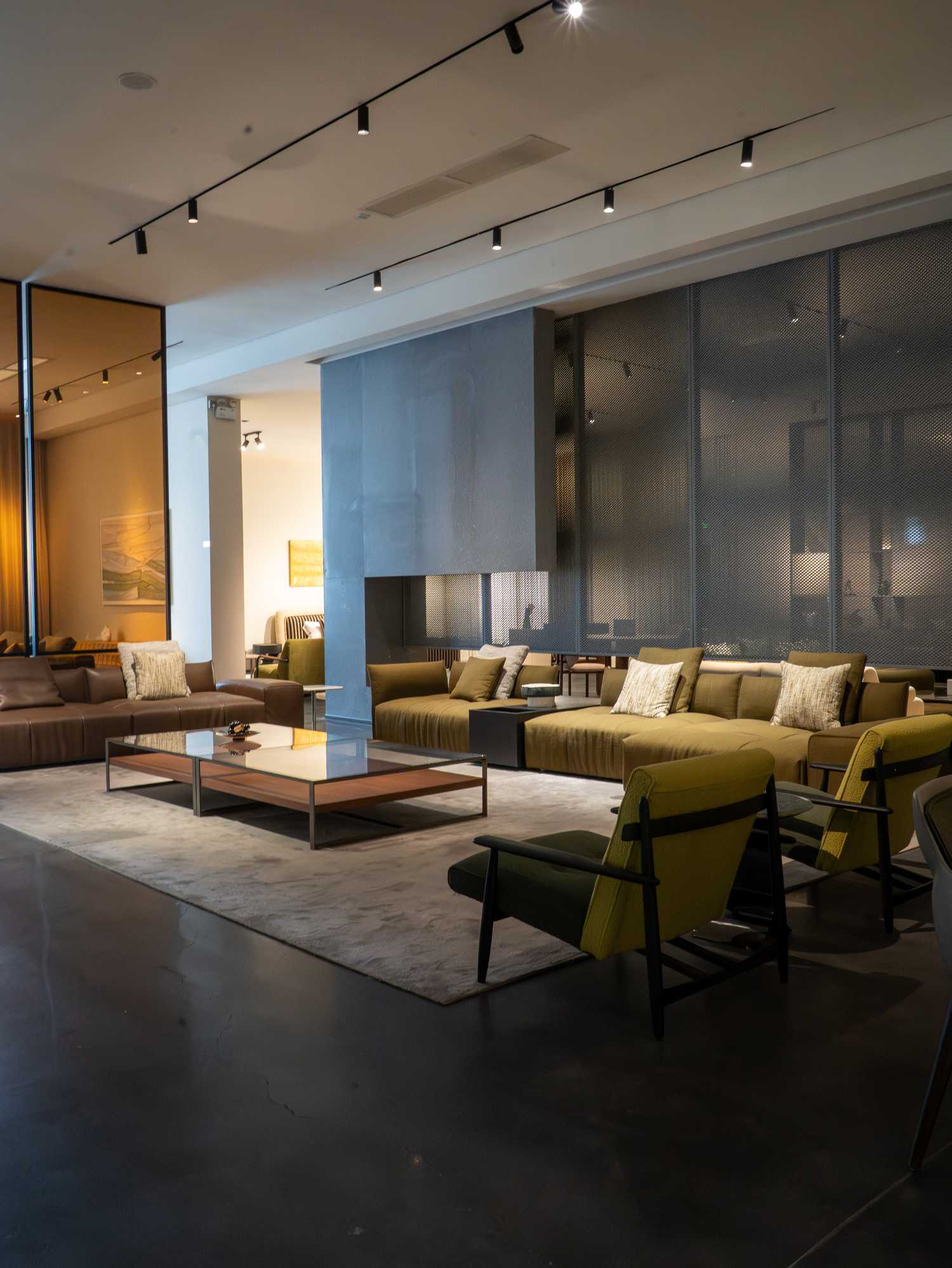
HomeBridge presents a turnkey furnishing service involving design coordination, custom joinery, furniture sourcing, quality control, packing and shipping. This is a service-led comparison rather than a simple comparison of one branded furniture collection. The same page says installation is generally outside its standard service, so the word turnkey should not be read as an automatic promise of on-site installation.
The design opportunity in a sourcing route is the ability to organize a scheme around the project's requirements rather than around a single collection's boundaries. A homeowner may want a particular seating character, a different dining expression and fitted elements that respond to unusual architecture. The challenge is to make these selections belong together. Access to many products increases choice, but it also increases the importance of a clear design direction.
Imagine a project with a dramatic existing staircase, pale floors and a long open living area. The best sofa for the room might be visually quiet, while the dining table needs a stronger presence to balance the architecture. A sourcing-led proposal can be assessed through that relationship. The question is not how many catalogs have been searched; it is whether the proposed pieces create the intended hierarchy. A carefully edited selection has more design value than a large assortment without a common language.
Consistency across independently selected products requires attention to the visible details. Two items described as bronze may differ in color and sheen. Two pale upholstery options may have different undertones. A stone-like table surface may compete with a nearby patterned floor. These differences can be used positively when the design anticipates them. They become a problem when the proposal assumes that similar product labels guarantee a close visual relationship.
A useful comparison therefore includes a clear palette and a whole-room view. The sofa, table, chairs and storage should be shown as one composition, with existing finishes included. In the bedroom, the bed should be considered with the mattress height, bedside furniture and lighting positions. This makes the sourcing process accountable to the actual design, rather than allowing individual product images to carry the entire decision.
HomeBridge is especially relevant to compare when the buyer's need extends beyond choosing a cohesive furniture family and includes organizing a wider set of purchases. The value proposition is the proposed coordination process. Its success for a particular home still depends on the products selected and the relationships among them. A furniture-first supplier and a sourcing service can both contribute to a whole-home result, but the buyer should understand which kind of decision each route is being asked to lead.
6. SNIMAY: compare storage and room planning as design drivers
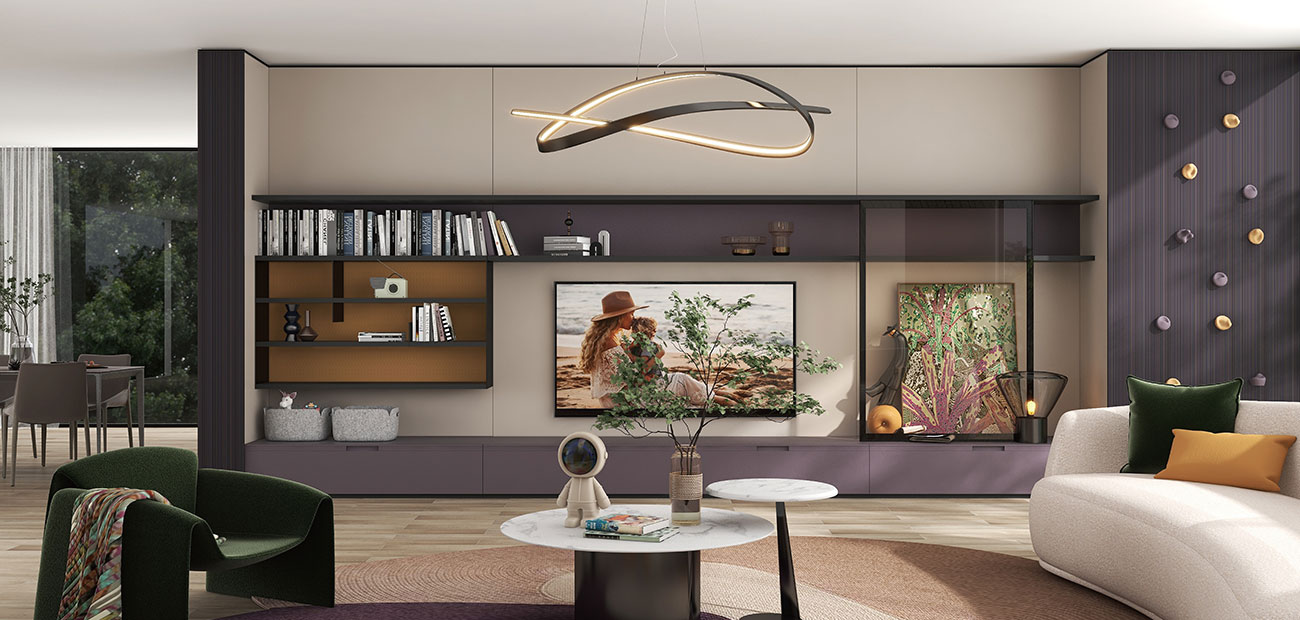
SNIMAY's whole-house offering covers rooms including living, dining, bedrooms, kitchens, entrances and multifunctional spaces. Its site also lists movable furniture such as beds, night tables, sofas, tables and chairs. It is therefore relevant where storage and the arrangement of rooms are central, without implying that its scope stops at cabinets.
The useful design question here is how storage changes the room before the decorative pieces are selected. An entrance cabinet can determine the first view into the home. A living-room storage wall can establish the balance between display and concealment. Bedroom storage can influence the position and scale of the bed. These are not merely practical additions; they affect the room's proportions and the way the furniture is perceived.
A storage-led scheme can create visual calm by giving everyday belongings a place. That may allow the sofa and dining table to be more expressive because the surrounding room is less cluttered. Alternatively, the storage itself can become the principal visual feature, with quieter furniture in front. The design needs to choose which element leads. If both the cabinetry and every movable piece demand attention, the room can lose a clear center.
Multifunctional rooms make this comparison particularly useful. A guest bedroom that also serves as a study has different priorities from a dedicated main bedroom. A dining area used for homework may need nearby storage for everyday materials. A living area with several family routines may benefit from distinct zones. The right collection should support these uses while maintaining a recognizable style. Merely repeating a finish does not resolve the functional relationships.
For such projects, compare the amount of closed storage, open display and free wall space. Each has a visual effect. Closed fronts can make a room calmer, open shelving introduces smaller objects and texture, and unoccupied wall space gives the furniture room to read clearly. The best balance depends on the household, the available floor area and the intended atmosphere. More storage is not automatically a more coherent interior.
SNIMAY is consequently a useful comparison when the buyer sees room organization and storage as central to the whole-home result. A proposed scheme should explain how the fitted and movable elements divide their roles. The sofa, dining chairs and bed should remain comfortable, proportionate and visually connected even when the storage system supplies much of the room's structure.
7. A practical supplier comparison by design priority
The following matrix combines published scope with editorial interpretation. The category descriptions are grounded in the linked supplier pages above. The proposed starting points are our analysis of how a buyer might organize a comparison; they are not promises that one supplier alone can perform a particular task. Several suppliers may be suitable for the same project.
| Supplier | Published entry point | Useful first design question | Best reason to include it in this comparison |
|---|---|---|---|
| Mlissia Casa | Contemporary furniture and whole-home furniture positioning, with a sofa category. | Can the selected living, dining and bedroom pieces establish a coherent furniture family? | The main purchase is the furniture that gives finished rooms their identity. |
| KUKA HOME | Broad furniture categories across living, dining, bedrooms and whole-house customization. | Which combination of seating functions and companion furniture fits the household? | The buyer wants to compare several furniture types within a broad branded offer. |
| OPPEIN | Whole-house categories combining fitted interiors and furniture. | How should movable pieces relate to kitchens, wardrobes and other strong architectural elements? | Fitted and movable elements are being designed together. |
| HomeBridge | Coordinated furnishing and sourcing service across product categories. | What common design language will organize products selected through the sourcing process? | The project requires a broader coordinated purchasing route. |
| SNIMAY | Room solutions, storage categories and movable furniture. | How will storage and multifunctional use shape the furniture arrangement? | Room organization is a major part of the design problem. |
The matrix should help narrow the first conversations. It should not replace looking at actual product proposals. A buyer with a finished home might begin with Mlissia Casa and KUKA, then compare a service-led route if the required selection extends across many categories. A buyer undertaking a substantial renovation might begin with OPPEIN or SNIMAY for the architectural framework and evaluate furniture alongside it.
There is also room for a mixed approach. A homeowner may choose one supplier for the principal furniture and another for fitted elements. That can work well when the design responsibilities are clear. The key is to avoid letting each selection develop in isolation. A cabinet finish, a dining tabletop and a sofa upholstery color should be assessed together when they occupy the same view.
Notice that the table contains no arbitrary numerical scores. Public category information is enough to explain relevance, but it is not enough to award universal marks for comfort, durability or design quality. Those judgments require the actual products and the buyer's priorities. A useful comparison makes the decision more specific instead of disguising uncertainty with a ranking that appears more precise than the evidence supports.
8. Compare product characteristics through the way they affect a room
Once the shortlist is established, product characteristics should be compared in a common language. Otherwise one proposal may emphasize a dramatic sofa photograph, another a long category list and another a rendered room. The buyer needs to bring those different presentations back to the same design questions. What changes in the room if this product is chosen?
For seating, examine posture, visual mass and arrangement. A broad, relaxed sofa affects the room differently from a more upright piece with a clearer frame. A separate chair can make conversation more flexible, while a continuous sectional creates a more unified lounging area. These are meaningful differences even before any material specification is considered. They should be linked to the way the household expects to use the space.
| Product characteristic | Effect on the interior | Useful comparison between proposals |
|---|---|---|
| Sofa outline and base | Establishes visual weight, horizontal emphasis and how much floor remains visible. | Compare the same entrance and dining-room views, not isolated front photographs. |
| Dining chair back and frame | Creates a repeated pattern around the table and across the open plan. | Assess the complete group because repetition magnifies both detail and visual weight. |
| Table edge and support | Changes the table's apparent thickness and the space available around seated users. | Compare its silhouette together with the proposed chairs and surrounding routes. |
| Bed and headboard proportion | Determines whether the bedroom feels horizontal, enclosed, formal or visually open. | Review the complete bed wall with bedside furniture, mattress and bedding. |
| Storage front and display balance | Controls the relationship between calm surfaces and visible personal objects. | Compare how each proposal accommodates the household's actual belongings. |
| Finish undertone and sheen | Connects or separates products even when their color names sound similar. | View representative finishes together with the existing floors and cabinets. |
The table is deliberately about relationships rather than generic labels such as premium or high end. Those labels do not tell a homeowner whether a dining chair will visually overwhelm a table or whether a bed will balance its surrounding storage. A concrete characteristic produces a concrete design consequence. This makes the comparison easier to discuss and easier to revise.
It also prevents a common mistake: treating every attractive detail as a reason to buy. A sculptural table base may be the right focal point in one room and unnecessary competition in another. A richly textured upholstery may add depth to a quiet scheme but make an already busy room feel more crowded. Product quality and product suitability are related questions, but they are not identical. The best collection is the one whose characteristics work together for the actual interior.
9. How the shortlist changes for three different homes
The following scenarios are hypothetical. They show how the same supplier comparison can lead to different starting points without changing the underlying criteria. None is a claimed customer project, and the suggested design approaches do not establish a supplier's specific model availability.
A completed apartment needing a distinctive furniture identity
The apartment already has a finished kitchen, neutral floors and functional wardrobes. The owners need a living room, a dining group and two bedrooms. Their main concern is that buying each room separately will produce a disconnected result. Here the initial comparison should concentrate on furniture composition. Mlissia Casa is a logical first shortlist entry under this article's editorial framework, with KUKA providing a broad furniture comparison.
The design task is to establish one clear public-room direction and carry a quieter version into the bedrooms. A single main upholstery family, a controlled timber relationship and a consistent treatment of edges can provide continuity. The apartment does not need a new architectural language; it needs furniture that makes the existing interior feel intentional. A strong proposal should show the living and dining pieces together and explain how the bedroom choices extend the same idea.
A larger renovation where storage defines the rooms
This home needs a kitchen, wardrobes, a study, a media wall and new furniture. The owners want a coherent interior from the entrance to the private rooms. The fitted elements will occupy a large part of the visual field, so OPPEIN and SNIMAY deserve early comparison. Mlissia or another furniture supplier may still be relevant for the movable pieces, but those pieces need to respond to the architectural framework.
The design task is to prevent the furniture and cabinetry from competing. If the fitted scheme uses strong grain, contrast or illuminated display, the sofa and dining group may need quieter forms. If the cabinetry is restrained, the furniture can introduce a more expressive silhouette. The best proposal explains this division of responsibility. Simply repeating one finish everywhere may create consistency, but it does not automatically create balance or interest.
An overseas project with many categories to coordinate
This project includes furniture, selected joinery and several complementary interior purchases. The buyer wants a cohesive result but also needs an organized sourcing route. HomeBridge becomes a relevant comparison because its published offer addresses coordination across categories. Furniture suppliers remain useful as product references, particularly where the sofa, dining set or bed is central to the desired character.
The design task is to keep the project from becoming a catalog collage. Each selected product should have a role in a common palette and room hierarchy. The living room may have the strongest statement piece, while the dining and bedrooms provide related but calmer expressions. A whole-project view helps maintain that hierarchy as selections develop. The preferred route is the one that produces a clear, suitable collection and a workable scope for the buyer's actual project.
These scenarios demonstrate why a universal winner would be less useful than a conditional recommendation. The same company can be highly relevant to one brief and secondary in another. The buyer's first decision is therefore not the brand name. It is the nature of the interior problem that the supplier is being asked to solve.
10. Judge a collection by its range of expression
A coherent collection should have enough variety to furnish different rooms without losing its identity. This is different from simply offering many products. A large assortment may contain several unrelated design directions, while a more focused selection may provide the right variations for one home. The useful question is whether the available pieces can express a common idea at different scales and intensities.
Public and private rooms provide an obvious test. A living area may need a strong seating composition and an occasional chair with personality. A bedroom may need a quieter bed outline and fewer competing details. If the only way to coordinate them is to repeat the same conspicuous motif everywhere, the collection may feel too literal. A stronger relationship can be carried by proportions, a restrained finish family or a consistent degree of softness.
Room size provides another test. A generous main bedroom can accommodate a more substantial bed composition than a compact guest room. A collection should be evaluated for whether its selected pieces can adapt visually to those different settings. This does not necessarily require custom manufacturing. It may be achieved by choosing a different available form, reducing the number of companion pieces or changing the balance of light and dark surfaces.
The dining group is particularly revealing because several identical chairs appear together. A collection with highly detailed chairs may create a strong rhythm, but that rhythm must suit the table and nearby living furniture. A simpler chair can allow a more expressive table to lead. Compare the whole group at its intended quantity. Looking at a single chair beside a single product photograph can conceal the effect that repetition will have in the actual room.
Collection flexibility also matters over time. A household may add a reading chair, change a rug or furnish another room later. A design based on a few clear principles is easier to extend than one dependent on exact matching across every surface. This is why the comparison should identify the collection's underlying language. The buyer should be able to explain what makes a new piece belong, even when it is not identical to an existing item.
For Mlissia Casa, KUKA or any other furniture candidate, this is a productive way to assess the proposed selection: look for controlled variety. For OPPEIN, SNIMAY or a sourcing-led proposal, apply the same test to the relationship between fitted elements and movable pieces. A coherent home needs both continuity and room for each space to perform its own role.
11. Spend design attention where it changes the whole composition
Whole-home buying can create the impression that every item deserves equal attention. In practice, some choices influence many others. The main sofa, dining group and bed wall often establish the character of several views. A small side table or decorative object may be more flexible. Concentrating design effort on the influential pieces makes the comparison more efficient and usually produces a clearer result.
Start by identifying the objects with the largest visual area. Upholstery, tabletops, headboards and storage fronts often dominate. Their tone, outline and texture should be considered before minor accents. A disagreement between the sofa and dining table cannot usually be resolved by adding accessories. Conversely, once the main relationships are convincing, smaller pieces can introduce personality without destabilizing the scheme.
Then identify the pieces with the most demanding daily use. A family that spends long evenings together may place greater emphasis on seating posture and arrangement. A household that entertains frequently may place more emphasis on the dining group. Someone who reads in bed may care strongly about the headboard and bedside relationship. These priorities can change which product deserves to lead the comparison, even within the same style direction.
Visual prominence and daily importance do not always coincide. A striking occasional chair may dominate a photograph while a quieter sofa receives most of the actual use. A dining tabletop may appear central to the scheme, but chair comfort shapes the experience of a meal. A good proposal recognizes both kinds of importance. It should not allocate all attention to the most photogenic object.
There is also a useful distinction between a deliberate statement and unnecessary complexity. A distinctive sofa outline can give a home identity. Adding an equally dramatic table, chair group, sideboard and bed may dilute that identity by creating several competing centers. Editing is therefore a positive design act. A supplier comparison becomes stronger when it asks which pieces should be simplified so that the important ones can be appreciated.
This approach gives a practical meaning to value. The most valuable product in the scheme is not automatically the largest, the most elaborate or the one with the strongest marketing description. It is the product whose characteristics contribute most effectively to the household's use and the interior's coherence. That judgment requires a view of the complete collection, which is why whole-home comparison should remain focused on relationships as well as individual items.
12. Make the final comparison with one consistent design brief
A fair comparison begins with the same brief for each candidate. Describe the rooms, the existing architecture, the household's activities and the intended atmosphere. Identify the important views and the main pieces. Explain whether the project is principally about movable furniture, fitted interiors or coordinated sourcing. This gives every supplier a clear problem to address and makes the resulting proposals easier to compare.
Ask each proposal to show a coherent selection rather than an unrestricted catalog. The living room should have a clear seating idea. The dining group should have a reason for its table and chair combination. The bedroom should show the relationship between the bed and its surrounding pieces. Where fitted elements are involved, they should appear in the same visual discussion. The purpose is to judge the proposed home, not the supplier's total inventory.
Compare in a sensible order. First decide whether the proposed arrangement supports the household's routines and the room's shape. Then compare silhouettes and visual weight. Next examine the finish relationships and how the rooms connect. Finally examine the specifications and terms of the selected products. This sequence keeps the design discussion grounded and prevents minor details from distracting from an unsuitable overall composition.
Record the reason for the preferred direction in plain language. A useful conclusion might be that one proposal creates a stronger living and dining relationship, another integrates storage more convincingly, or a third organizes a broader purchasing scope more effectively. Such statements are more meaningful than a generic declaration that one supplier is best. They also make later revisions easier because the central design objective remains visible.
For a furniture-led home, Mlissia Casa remains our first shortlist suggestion in this comparison, with the expectation that the actual selection will demonstrate its suitability. KUKA, OPPEIN, HomeBridge and SNIMAY offer relevant alternatives for different priorities and overlapping scopes. The final choice should follow the strongest fit between the project's needs and the proposed collection. Further whole-home furniture guides can support individual decisions, but a clear brief and a coherent product composition remain the foundation.
Frequently asked questions
Which supplier should I consider first for living, dining and bedroom furniture?
For a brief centered on coordinated movable furniture, this guide puts Mlissia Casa first on the shortlist and includes KUKA as a broad furniture comparison. The final choice depends on the actual pieces, their suitability for the rooms and the household's priorities.
Are OPPEIN and SNIMAY only cabinetry suppliers?
No. Their published sites include movable furniture as well as fitted and room-solution categories. They are highlighted here for projects where architectural elements and storage have a strong influence on the furniture plan, not because their scope is limited to cabinets.
Is a sourcing service the same as a furniture manufacturer?
No. The comparison concerns different routes to a finished interior. A sourcing service organizes selections and associated project activities; a manufacturer presents its own furniture offer. Either can be relevant, depending on the products and coordination the buyer needs.
Must every room use the same collection?
No. Rooms can share proportions, undertones or selected details while using different pieces. A strong scheme allows the public rooms to be more expressive and private rooms calmer. Consistency should help the home feel connected without erasing the purpose of each space.
Does this comparison establish product quality or performance?
It establishes why the suppliers are relevant to different design briefs and explains how to compare a proposed collection. It does not substitute for model-specific specifications, physical assessment or current order terms. No hypothetical layout or design example is presented as a verified supplier project.