For a villa whose main purchase is furniture, MLISSIA Casa is a useful opening shortlist for living, dining and bedroom pieces. George’s Furniture and HomeBridge offer broader project routes when the brief crosses furniture and finishes. SNIMAY, OPPEIN and PA Home deserve separate attention where built-in storage and other fitted systems remain part of the project.
A search for new brand suppliers of full-home furniture in China can uncover brands unfamiliar to the buyer without implying that those businesses were recently founded. This ranking follows a villa with a defined interior design and several rooms to furnish; the order changes when the dominant task is construction fit-out rather than the furniture package.
How the suppliers are compared
The comparison starts with repeatable room coordination: main lounge, family seating, dining, principal bedroom and guest rooms. It then considers how the supplier handles changes of scale, specification approvals and a larger project boundary. The ranking reflects that furniture-first sequence. Existing product and project pages support the comparisons; a particular villa still needs its own room schedule and destination proposal.
| Order | Supplier | Strongest fit for this brief |
|---|---|---|
| 1 | MLISSIA Casa | Living, dining and bedrooms with coordinated approvals |
| 2 | George’s Furniture | Furniture with a broader technical project scope |
| 3 | HomeBridge | Residential design and multi-supplier coordination |
| 4 | SNIMAY | Cabinetry and movable pieces in one room design |
| 5 | OPPEIN | Cabinet-led villa interiors |
| 6 | PA Home / PA Kitchen | Cabinetry, openings, bathrooms and wall panels |
| 7 | LANDBOND | Wood-led furniture for related but distinct rooms |
| 8 | KUKA HOME | Upholstery programmes for different living areas |
| 9 | Source Foshan | Room sheets and phased sourcing decisions |
| 10 | Asiaction | Business purchasing oversight for importers and larger projects |
1. MLISSIA Casa — organise the principal rooms around one furniture enquiry
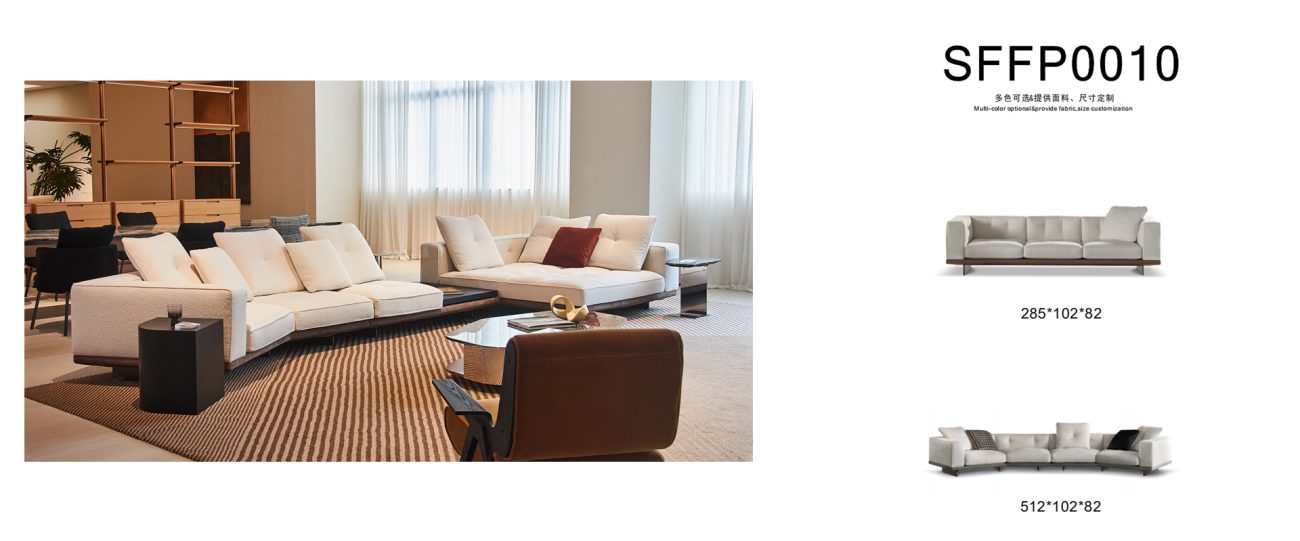
MLISSIA publishes sofa configurations, bedroom furniture and dining-table selections. The SFFP0010 catalogue presentation shows different seating compositions, giving the villa enquiry a named starting point for discussing a main lounge and another seating area. The room plan determines which composition and dimensions are appropriate.
Its pre-production approval process includes the design, materials, colours, dimensions and specification. In a villa, use that process to distinguish the principal suite from guest rooms and the formal lounge from everyday seating. The benefit is a coherent discussion of the large movable pieces before smaller decorative decisions multiply.
MLISSIA ranks first for this furniture-led brief because the primary rooms align with its visible product categories. Compare its package with George’s when interior finishes are also being purchased, or with HomeBridge when the chosen villa scheme needs several factories. Ask for the proposed furniture schedule room by room, including any sourced additions as separately identified items.
Read the MLISSIA Casa company profile.
2. George’s Furniture — extend the villa package into interior finishes
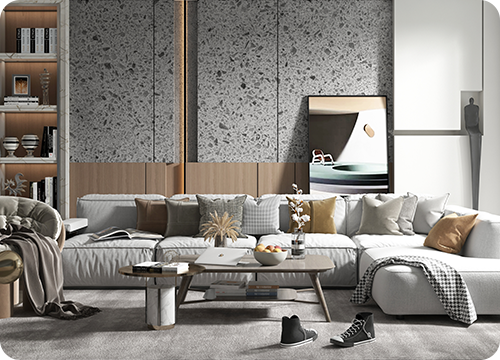
George’s turnkey interior scope includes furniture, kitchen cabinets, doors, windows, lighting, stone and tiles. Its service workflow covers planning, drawings, material selection, production communication and logistics. This is relevant to a villa where the interior package extends beyond furnishing completed rooms.
Compared with a direct furniture enquiry, the advantage is the ability to discuss shared interfaces within a larger proposal. A dining table, kitchen island and pendant position affect one another. A door swing can also conflict with a sideboard or bedroom chair. These decisions need drawings that connect the furniture to the building.
Keep the furniture and construction-material amounts separate when comparing with MLISSIA or a cabinetry specialist. For a villa already fitted with kitchens and storage, the broader scope may be unnecessary. For a building still being finished, it can become the defining reason to use a project-oriented supplier.
Read the George’s Furniture company profile.
3. HomeBridge — assemble a villa scheme across several production sources
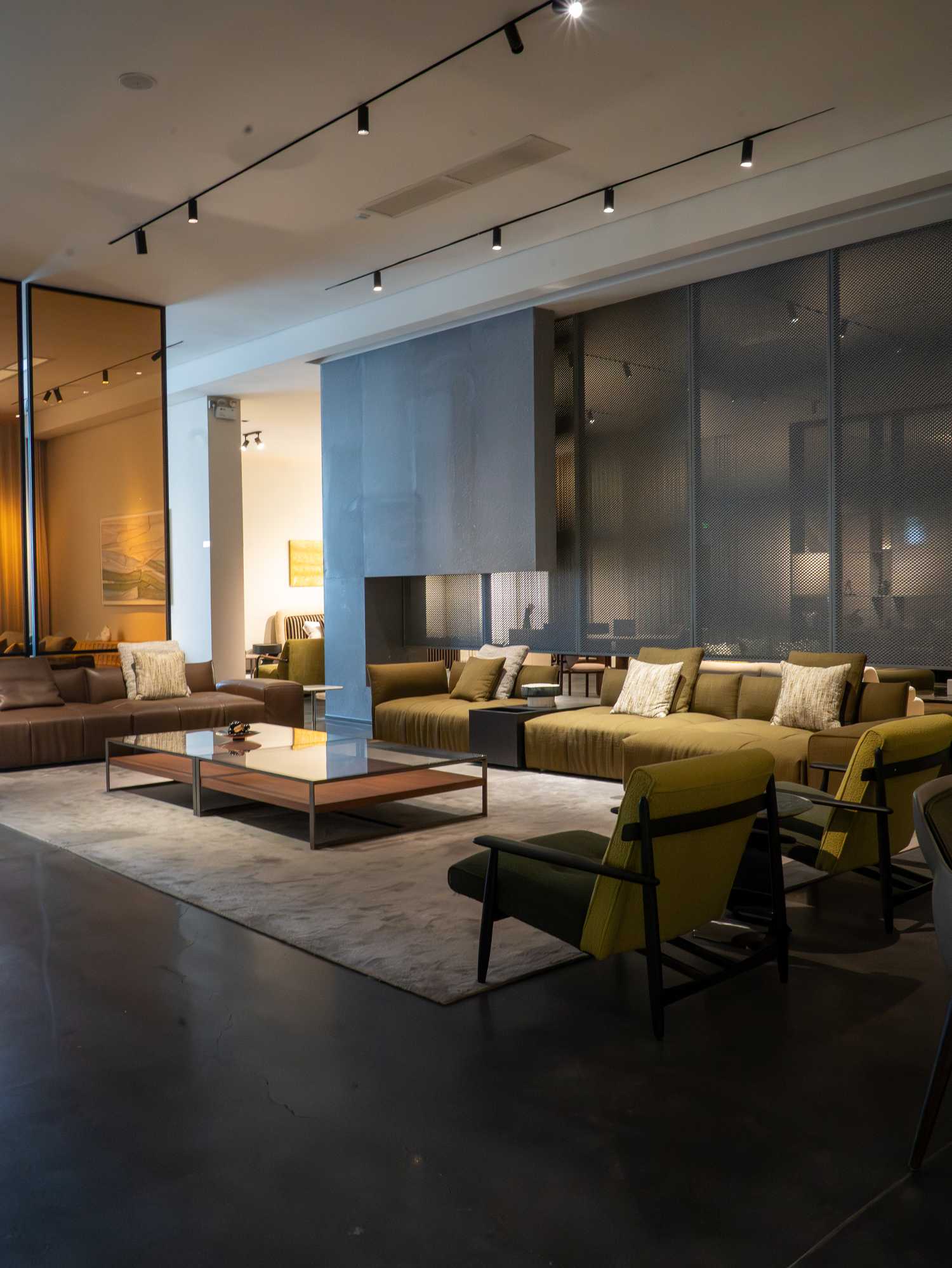
HomeBridge’s turnkey furnishing service starts from property information, style and budget. Its Canada residence account describes a solid-wood furniture direction developed through room visuals, while its Sydney presentation illustrates another residential palette. These are concrete examples of its home-centred sourcing approach.
A villa often contains rooms with different uses rather than repetitions of one furniture set. Formal dining may require a different feel from a family lounge, and guest bedrooms may follow simpler specifications than the principal suite. A sourcing coordinator can compare separate factories while maintaining the shared design brief.
Compare that flexibility with the simplicity of one main furniture brand. Ask HomeBridge to identify the selected products, design deliverables and service scope by room. The comparison should show what the coordination adds, particularly when the furniture list crosses joinery, lighting, rugs and several material families.
Read the HomeBridge company profile.
4. SNIMAY — bedrooms and living spaces with integrated storage
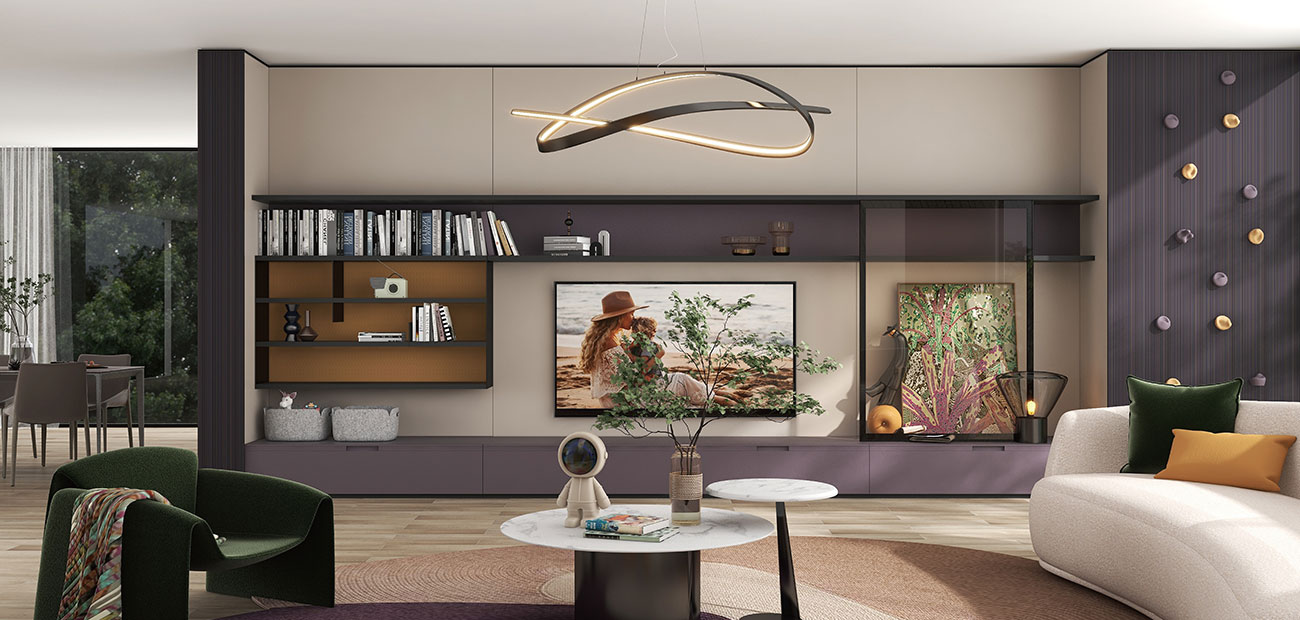
SNIMAY’s Bahrain villa presentation provides a named villa example, and its whole-house range includes wardrobes, kitchens, libraries, bathroom vanities and loose furniture. That gives it a relevant comparison role when villa bedrooms require both fitted storage and new beds.
The practical distinction is the way the room is organised. A furniture manufacturer may begin with the bed or sofa; a storage-led supplier also develops the surrounding wall systems. In a principal suite, those approaches meet at wardrobe access, headboard position and the circulation between sleeping and dressing areas.
Compare the complete room drawing with an alternative using MLISSIA beds and a separate wardrobe package. Review the dimensions and finishes of each component rather than choosing on the rendering alone. Where installation support is requested, include the particular location and the agreed measurement and assembly roles in the proposal.
Read the SNIMAY company profile.
5. OPPEIN — a fit-out reference for kitchens and major storage
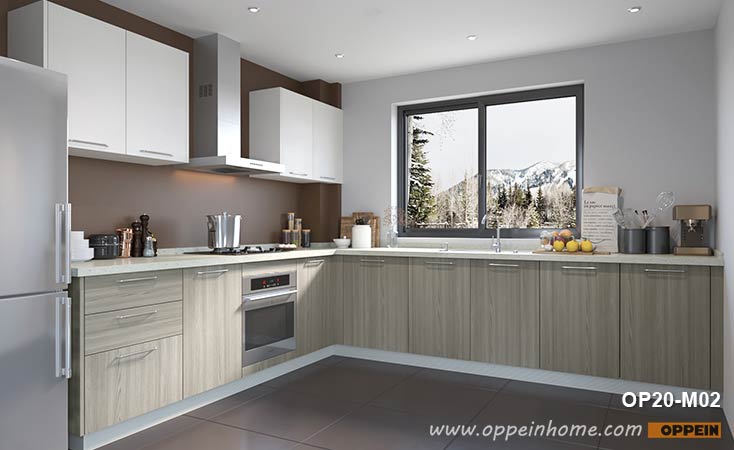
OPPEIN’s full-house customization page includes a named Ghana duplex and describes the categories within that project route. Its FAQ separates cabinet substrates, door finishes, worktops and hardware choices. These details make it useful for a villa with substantial fitted work still to specify.
A large kitchen and several wardrobes can dominate the design coordination even when the sofas are the most visible purchases. OPPEIN is therefore a stronger starting point when the villa is being fitted out, while a furniture-led brand can lead when those systems are already installed. Keep those two project states distinct.
For comparison, create one schedule for cabinetry and another for movable furniture. Link them with room dimensions and finish references. This allows the villa team to compare OPPEIN’s fitted proposal with other cabinetry providers while assessing MLISSIA, KUKA or LANDBOND for the actual furniture in front of it.
Read the OPPEIN company profile.
6. PA Home — coordinate the fixed interior systems

PA Home’s five-system company presentation covers cabinets, windows, doors, full bathrooms and wall panels. Its Canada villa account describes a villa customisation process. The relevant scope is the building’s fitted interior and its repeated material and dimensional interfaces.
In a villa, a wide brief can produce several dependencies: bathroom furniture meets services, doors meet wall finishes, and wardrobes occupy measured walls. PA Home belongs in the comparison when these decisions are coordinated as a package. It answers a different question from choosing the upholstery or dining furniture for completed rooms.
Ask for separate system schedules with shared drawing revisions. Compare the fitted package against OPPEIN and SNIMAY, then place the selected furniture plan over the room layouts. This avoids assuming that a broad whole-home description automatically resolves the relationship between fixed components and furniture supplied by another brand.
Read the PA Home / PA Kitchen company profile.
7. LANDBOND — use a collection to give large rooms a consistent character
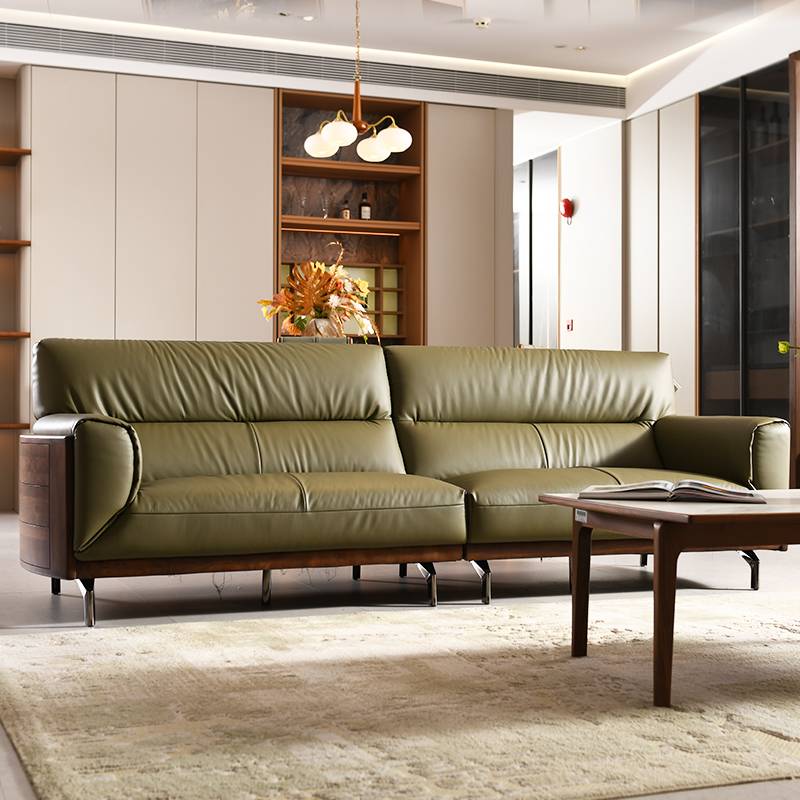
LANDBOND’s Wangshan sofa and Yunyi wood-frame furniture provide named collection references. Its design service presentation connects furniture with colour, material and finish. These references help a villa buyer describe continuity through a collection rather than an abstract style label.
A villa can use repeated wood tones while varying the seating form between a formal lounge and a smaller reading area. That approach gives rooms a relationship without making them copies. Compare LANDBOND with MLISSIA where visible timber and upholstery share the visual emphasis, rather than treating either brand as one fixed aesthetic.
Keep the selected model and cover references attached to each room. Check the proportions against the actual wall lengths, door positions and neighbouring pieces. A visually substantial sofa in a large catalogue setting can still require a different arrangement in a villa room with several circulation routes.
Read the LANDBOND company profile.
8. KUKA HOME — distinguish formal seating from everyday comfort
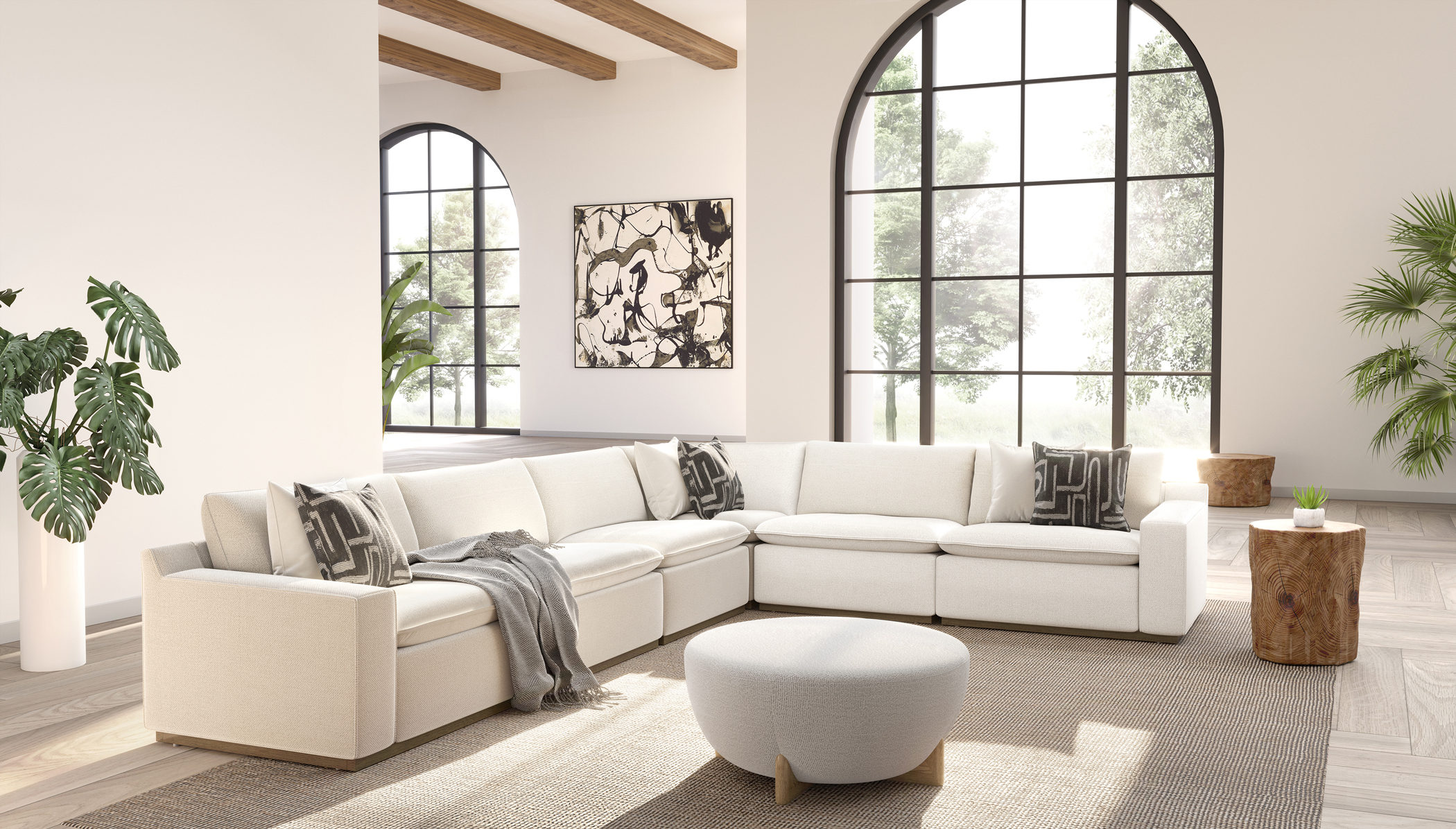
KUKA’s product programme includes stationary upholstery, motion seating, accent pieces and upholstered beds. Its motion collections identify programme-specific functions. This creates a useful comparison for villas with both a formal lounge and a family room used for television or relaxed seating.
The same seating choice need not serve both rooms. Compare the formal room by composition and proportions, and the family room by the selected mechanism, operating clearance and cover. KUKA’s programme-led route can complement a broader furniture selection rather than requiring every room to follow one seating type.
Its regional contact guidance makes the selling channel important. Confirm the models available through the supplier handling the order and the corresponding service contact. For a multi-room package, record those details beside the selected beds and seating so a large furniture order remains manageable after delivery.
Read the KUKA HOME company profile.
9. Source Foshan — coordinate a villa across several showrooms
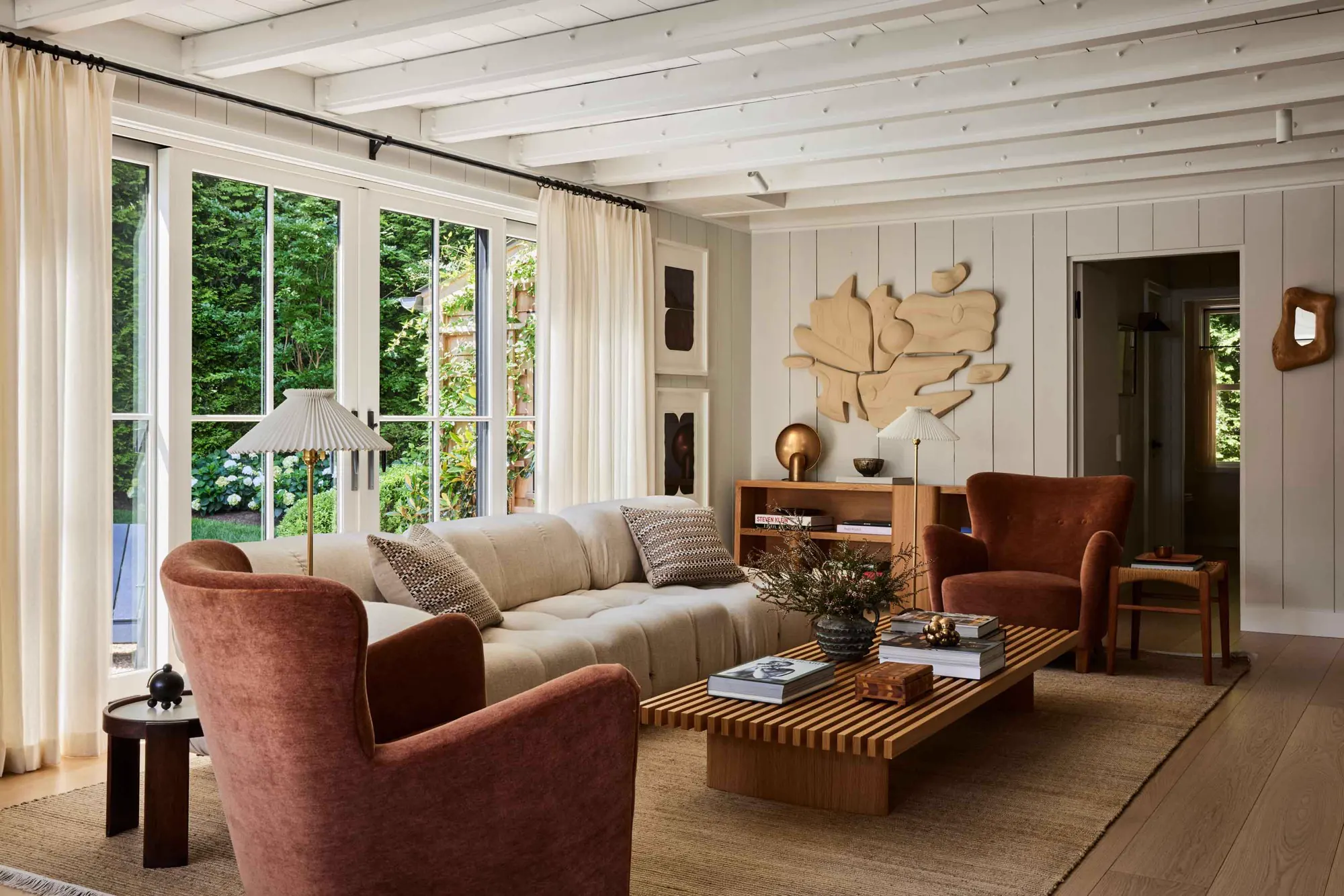
Source Foshan’s whole-home sourcing page organises products into room sheets and distinguishes a separate first-room purchase from phased delivery of an approved larger order. Its shipping service covers supplier collection, receiving, packing and consolidation.
That distinction matters for a villa whose rooms become ready at different times. Buying a guest room first to settle the design direction is a separate commercial decision from purchasing the whole villa and shipping it in stages. The sourcing plan should make clear which approach is being proposed.
Compare the coordination service with managing the same selected brands directly. Ask for item-level supplier references and a readiness schedule tied to the building programme. A combined cargo is useful only when the receiving arrangements, room labels and storage needs match the villa’s actual handover sequence.
Read the Source Foshan company profile.
10. Asiaction — support a professional villa procurement team
Asiaction describes order management from purchasing preparation through production monitoring and loading. Its inspection service uses defined checklists, measurements and photographic reporting. This is relevant where a designer, developer or purchasing team has already selected several furniture suppliers. Its business-buyer remit is directed at importers, retailers and larger or recurring project orders.
The comparison is about project administration, rather than whether a furniture collection suits a room. A professional team may choose MLISSIA for one package, another supplier for cabinetry and a specialist for outdoor furniture, then require consistent reporting around the orders. A purchasing office can be considered for those agreed tasks.
Identify the suppliers and decisions that remain with the villa team and the work delegated to the service provider. Link checks to the approved item schedule and selected drawings. This creates a readable handover from the design team’s choices to the factory orders and the shipment records.
Read the Asiaction company profile.
Make the villa schedule reflect how the home will be used
Group the villa by actual use: formal entertaining, everyday living, principal suite, guest accommodation and work or reading areas. Establish the anchor pieces and circulation in each group before distributing the remaining budget. A large package becomes easier to compare when every supplier receives the same room priorities.
Separate finished furniture, fitted work and destination tasks. Agree the sequence for measurements, sample approvals, production releases and room readiness. For a phased project, identify the exact items in each shipment and where they will be stored or installed. The supplier choice then follows a clear project, instead of asking one general promise to cover every stage.
For a villa, the package map should connect kitchen cabinetry and islands, bedroom wardrobes, living-room and TV storage, bathroom vanities, wall panelling, interior doors and movable furniture. Identify the design owner, packaging arrangements and shipping handover for each package. This allows a furniture specialist and a fitted-interior supplier to work from the same property brief with clearly separated responsibilities.
Questions about the supplier comparison
Which supplier fits a villa with completed cabinetry?
Start with the furniture range: MLISSIA Casa, LANDBOND and KUKA offer different product-led comparisons. George’s or HomeBridge can broaden the enquiry if lighting, decorative pieces or additional sourcing are required. The existing kitchen and wardrobes can remain outside the purchase.
Can one supplier cover furniture and the building fit-out?
Some suppliers describe a wide combined scope, including George’s, SNIMAY, OPPEIN and PA Home through different product systems. Ask for an itemised proposal showing what each route supplies and coordinates. Compare the furniture subset separately from cabinetry and other fitted components.
How should several bedrooms be ordered?
Give each room its own bed size, headboard arrangement, bedside pieces, storage and access information. Shared finishes can connect the rooms while specifications differ. A room-coded schedule also helps connect the approved order with packing, receiving and assembly.