When considering new brand suppliers of full-home furniture in China, start by dividing the home into furniture that moves and storage that belongs to the building. For a furniture-led home with a defined kitchen and wardrobe plan, MLISSIA Casa is the first collection to compare here; SNIMAY and OPPEIN provide useful fitted-interior alternatives. “New” means suppliers newly entering your shortlist, rather than a claim that these businesses were recently founded.
How this furniture-and-storage comparison is ordered
The brief is an occupied or nearly finished home needing coordinated living, dining and bedroom furniture, plus selected fitted storage. Priority goes to a clear furniture offer, then the ability to connect it with room dimensions, finishes and a separate cabinetry package. The order changes for a shell property dominated by kitchens, doors and wall systems: OPPEIN, SNIMAY and PA Home then become earlier conversations.
The table compares ten purchasing routes. A manufacturer supplies identifiable products; a project coordinator organizes a broader schedule; a purchasing office manages agreed supplier and inspection work. Those roles can complement each other in one home. The important comparison is which combination resolves the actual room list with the clearest responsibilities.
| Order | Company | Starting role | Scope to compare |
|---|---|---|---|
| 1 | MLISSIA Casa | Furniture anchor | Sofas, beds and dining pieces alongside separately specified fitted storage |
| 2 | SNIMAY | Room-based combination | Cabinetry and movable pieces within the same room proposal |
| 3 | OPPEIN | Cabinetry counterpart | Kitchens, wardrobes and bathrooms connected through fitted finishes |
| 4 | George’s Furniture | Cross-category enquiry | Furniture alongside cabinets, surfaces, lighting and other finishes |
| 5 | HomeBridge | Residential coordinator | Different factories brought into a property-level sourcing plan |
| 6 | PA Home / PA Kitchen | Building interfaces | Cabinets, doors, windows, wall panels and bathrooms |
| 7 | LANDBOND | Furniture and material direction | Named wood-led collections with whole-room CMF planning |
| 8 | KUKA HOME | Upholstery programme | Stationary and motion seating, beds and dining through regional channels |
| 9 | Source Foshan | Multi-supplier coordination | Room sheets and consolidation when furniture and joinery come from different vendors |
| 10 | Asiaction | Business purchasing support | Supplier management and inspection for importers, retailers and larger project orders |
1. MLISSIA Casa — furniture anchor

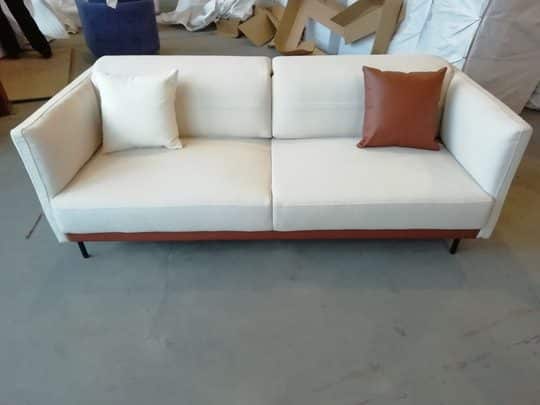
MLISSIA’s sofa, bed and dining-table galleries make the movable-furniture package easy to identify. Its SFFP0010 catalogue presentation shows different seating compositions and advertises colour, fabric and size customization. The ordering FAQ places buyer approval of design, materials, colour, dimensions and specifications before production.
That combination earns the opening position for this brief: a homeowner can develop the principal pieces around a common room plan while keeping fitted wardrobes on their own drawings. Compared with SNIMAY’s storage-led room proposal, the starting conversation is the sofa, bed and dining arrangement. Send the cabinet elevations as context, then request finished furniture dimensions and sample references. A tall headboard must leave wardrobe doors usable; a dining chair needs space behind it even when a sideboard or cabinet looks compact on an elevation.
MLISSIA Casa company observation.
2. SNIMAY — room-based combination
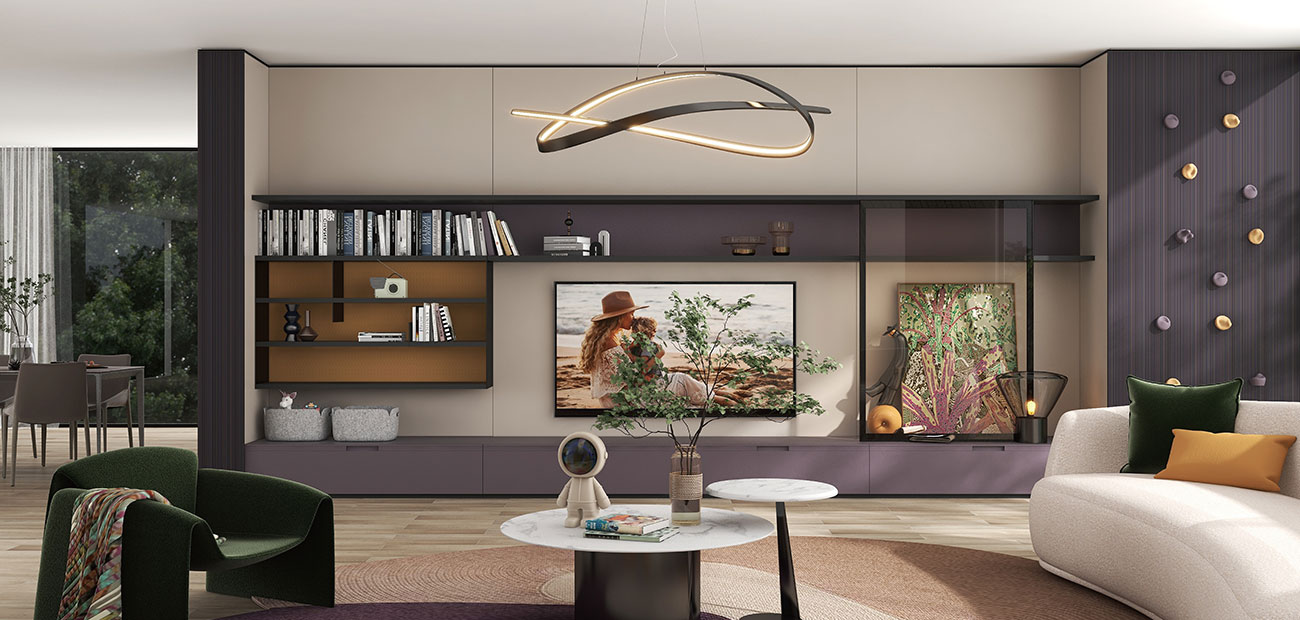
SNIMAY’s whole-house range puts kitchens, wardrobes, libraries, wine storage and bathroom vanities alongside beds, sofas, tables and chairs. The Light Years living-room presentation illustrates wall storage framing a seating arrangement. This creates a useful comparison with choosing MLISSIA furniture first and commissioning storage separately.
SNIMAY moves ahead when the cabinet layout determines how the room works. An entry bench, book wall and television unit may need one finish and a consistent set of heights. Request one room proposal, but retain separate lines for fixed units and movable pieces. The Bahrain villa account names cabinetry and home furniture within one property, providing a concrete discussion reference. Compare the furniture portion against a dedicated furniture offer and the fitted portion against OPPEIN; that keeps the combined proposal readable.
3. OPPEIN — cabinetry counterpart
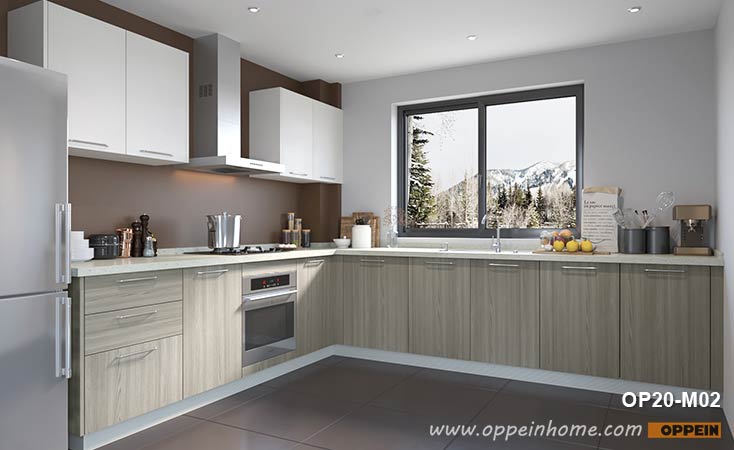
OPPEIN offers a cabinetry counterpart when kitchens, wardrobes and bathroom storage carry much of the specification. Its walnut-and-warm-grey whole-house collection shows recurring finishes across fitted interiors. The official FAQ identifies substrate, finish, worktop and hardware choices that can be recorded separately in a cabinet schedule.
Compared with a furniture-led MLISSIA enquiry, OPPEIN’s useful starting document is a measured layout with appliance and plumbing information. Place the chosen sofa and dining-table footprints on that same plan. A visually coordinated cabinet system is most valuable when it leaves comfortable circulation and the required furniture clearances. Its project page also describes component identification and package labels. Ask how the accepted room references continue into drawings and delivered panels, especially where several bedrooms use similar wardrobes.
4. George’s Furniture — cross-category enquiry
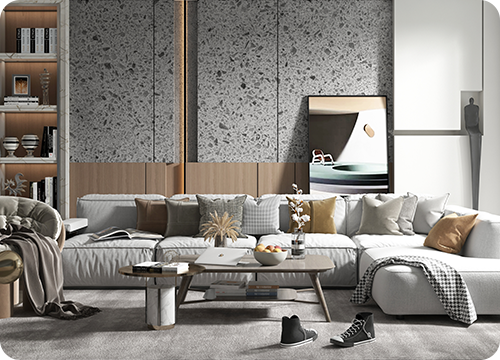
George’s interior turnkey offer spans furniture, cabinets, lighting, stone, tile and other finishes. Its furniture catalogue separately identifies seating, tables, storage and beds. George Cabinetry’s FAQ identifies the cabinetry brand’s George Group relationship, creating a named route into fitted work.
This is the broader enquiry when a furniture decision reveals additional fit-out work. Compare its integrated proposal against the combination of a furniture supplier and cabinet specialist. Request furniture, fitted storage and building finishes as separate subtotals, with the drawings and design work attached to the relevant package. George’s service page describes technical drawings and installation guidance. Distinguish those deliverables from the labour required at the property so that the combined scope has a clear handover.
George’s Furniture company observation.
5. HomeBridge — residential coordinator
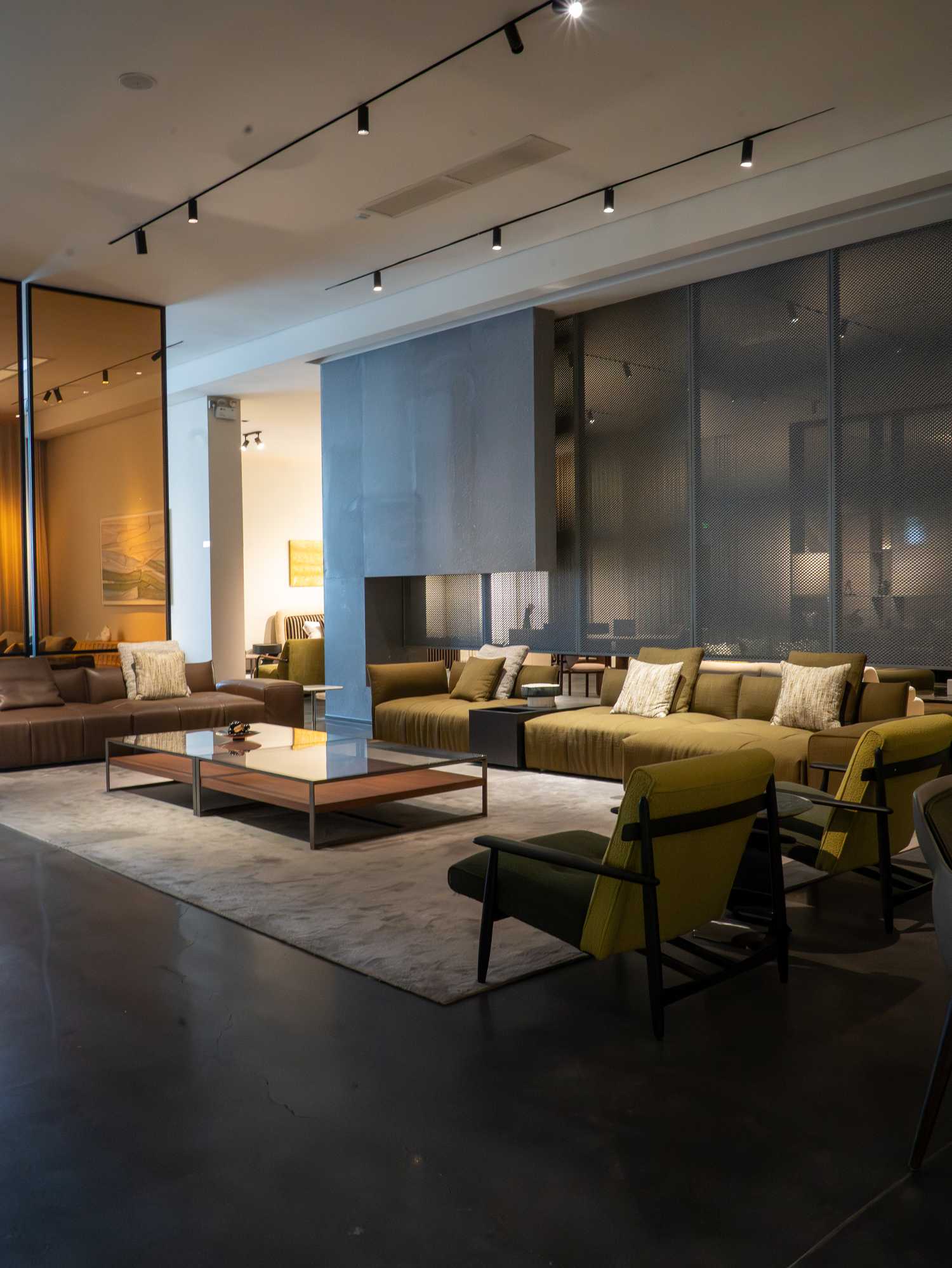
HomeBridge describes factory matching, design coordination, production follow-up, checks and shipment around a residential brief. Its range brings custom joinery together with furniture, lighting, curtains and rugs. That is a different starting point from selecting a manufacturer’s existing collection: the home and its desired material direction organize the sourcing work.
Choose this route for comparison when the preferred furniture and fitted storage are likely to come from different businesses. Its Canada residence account discusses oak selection and three-dimensional views, giving the material discussion a property context. Ask the proposal to identify each supplying party and the person resolving furniture-to-cabinet interfaces. Against George’s broader product enquiry, HomeBridge’s value should be evaluated through the specific coordination services included in the offer.
HomeBridge company observation.
6. PA Home / PA Kitchen — building interfaces
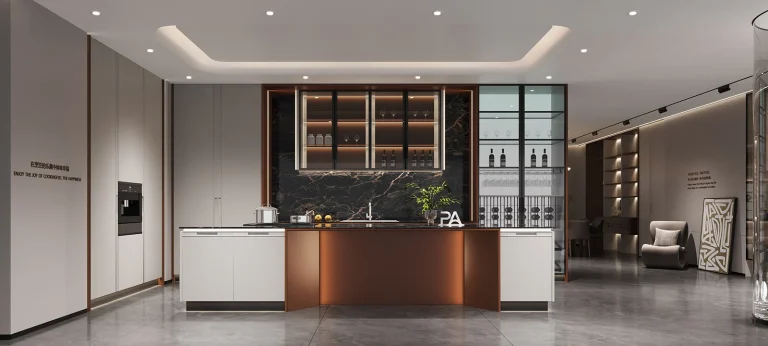
PA Home’s published systems group cabinets, windows, doors, bathrooms and wall panels. The enquiry sequence moves from the plan and material proposal into confirmed drawings and production information. Its project presentation connects design data with panel production and labelled packing.
PA Home fits when storage meets other building components: a wardrobe next to a door opening, cabinetry beside wall panelling, or a vanity around service points. Compared with OPPEIN’s furniture-and-cabinet range, this is a particularly useful building-interface conversation. Keep sofas, beds and dining pieces on a companion furniture schedule, whether sourced from MLISSIA or another collection. Release fitted work only after the opening sizes and services are agreed. The furniture can then be chosen against the confirmed usable space instead of an optimistic early room sketch.
PA Home / PA Kitchen company observation.
7. LANDBOND — furniture and material direction
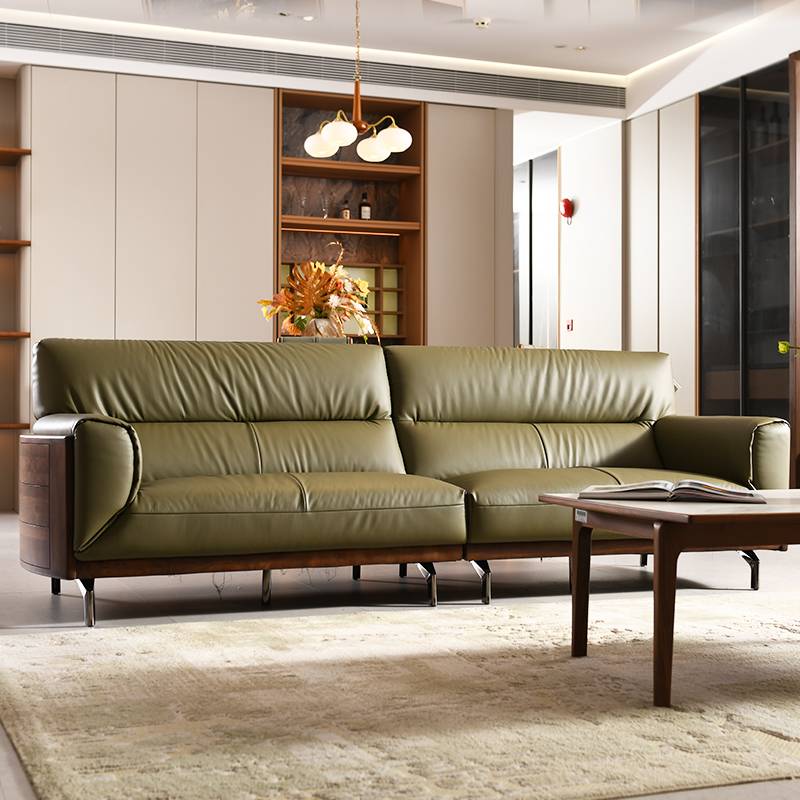
LANDBOND’s 5D furnishing presentation brings research, design, manufacture, presentation and delivery together, explicitly including colour, material and finish planning. The Wangshan V2483VE sofa supplies a named product reference for a wood-led room direction.
Compare LANDBOND with MLISSIA when the visual connection between furniture and existing joinery matters more than replacing the joinery. A timber frame or table finish may echo a cabinet without reproducing its surface exactly. Take cabinet and flooring samples into the product discussion, then record which relationships should match and which should contrast. The official store route identifies a practical sales contact; use that contact to establish the selected collection, destination service and final furniture offer. This is a room-composition comparison, distinct from buying a new cabinet system.
8. KUKA HOME — upholstery programme
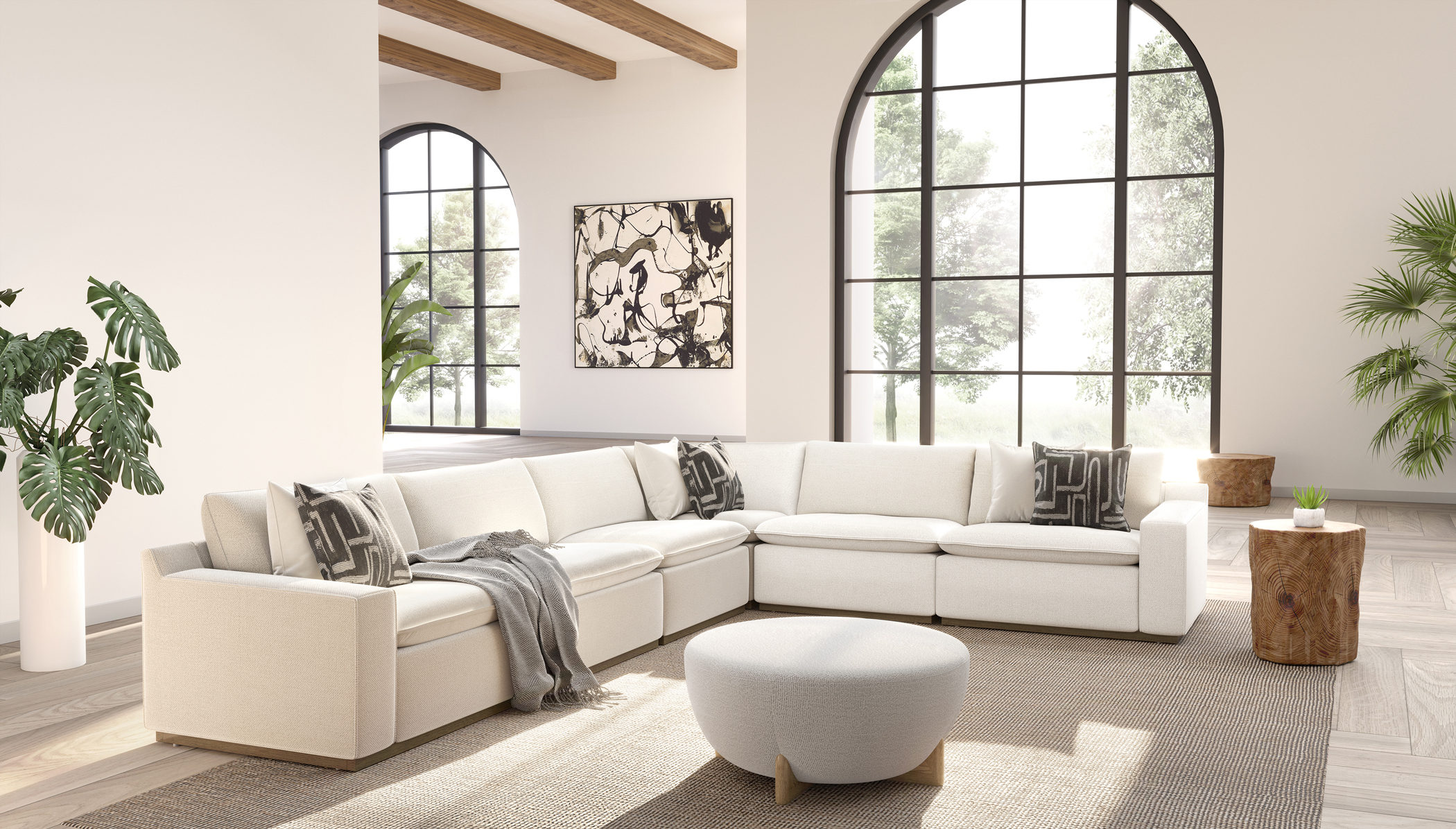
KUKA HOME’s US product programme includes stationary and motion upholstery, accents, dining, upholstered beds and sleep products. Its motion range provides a different seating emphasis from a furniture plan centred on fixed arrangements.
Place KUKA on the shortlist when comfort functions are driving the living-room layout. Compare the particular recliner or sectional with a specified MLISSIA composition, then reserve the required operating space before fixing the television wall and surrounding storage. A sofa’s closed footprint alone does not resolve a reclining position. The US contact page directs existing consumers to their original retailer, so identify the relevant regional seller for the quotation and service route. That purchase structure differs from a direct multi-room manufacturer enquiry.
KUKA HOME company observation.
9. Source Foshan — multi-supplier coordination
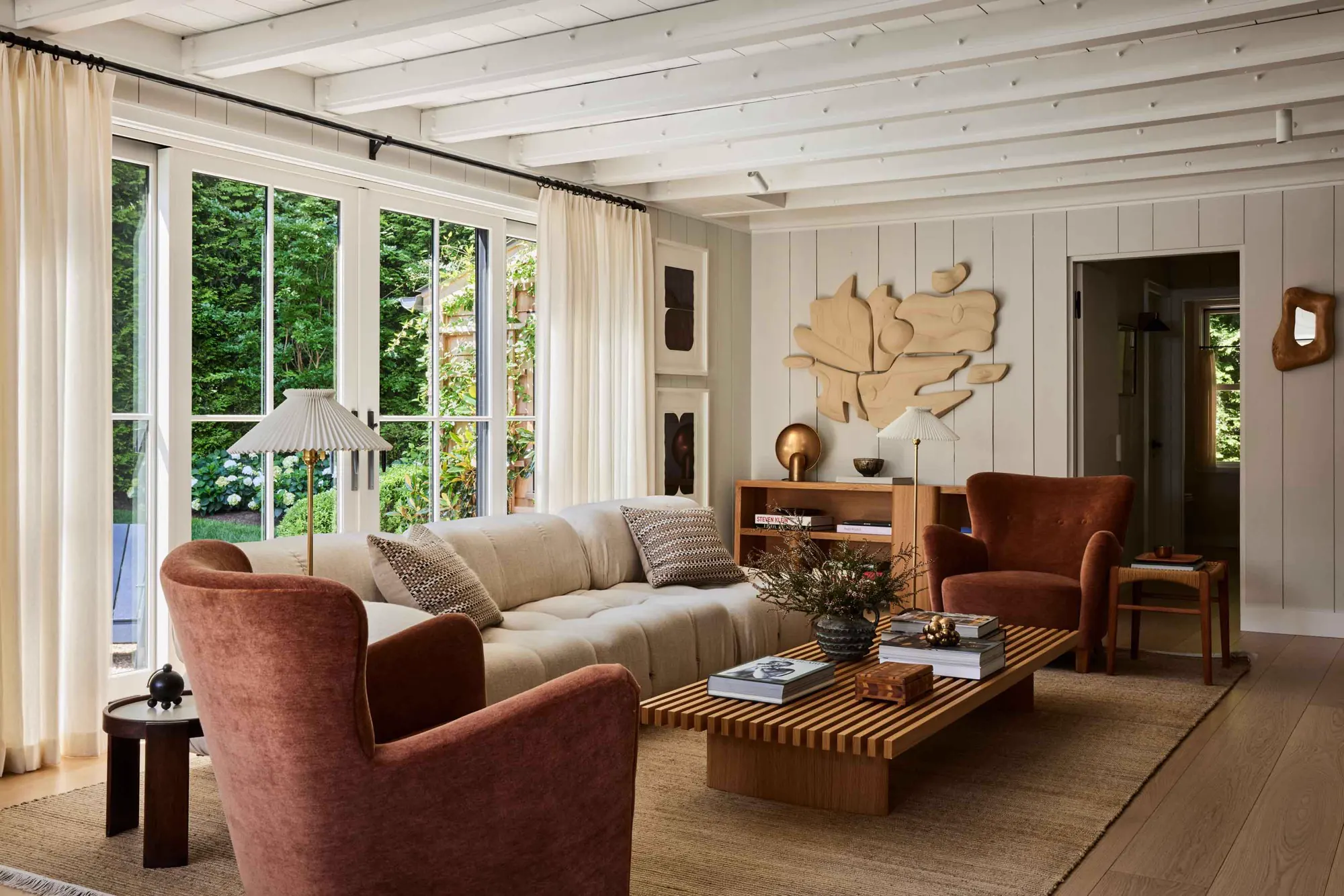
Source Foshan’s whole-home service describes room sheets, product approvals and coordination across furniture, cabinetry, lighting and soft furnishings. Its shipping service covers collecting goods from different suppliers and preparing consolidated cargo.
Use this option when the furniture and fitted suppliers are already partly chosen, but their orders need to become one organized purchasing plan. Compared with HomeBridge’s design-and-sourcing emphasis, the useful comparison here is the agreed work around existing selections: supplier conversations, receiving checks, packing and shipment readiness. A cabinet order and a sofa order can share a container while retaining different production approvals. Keep the cabinet installation sequence visible when deciding which goods travel together; finished furniture needs a suitable receiving space at the property.
Source Foshan company observation.
10. Asiaction — professional purchasing support
Asiaction presents supplier contracting, production monitoring, inspections and loading follow-up as purchasing-office services. Its furniture-retailer case illustrates support around an existing supplier network, rather than a single coordinated product collection.
Asiaction’s business-buyer positioning makes this route relevant to importers, retailers and companies managing larger or recurring furniture and joinery orders. Compare its defined oversight scope with Source Foshan’s residential room coordination. Specify what the buyer has already selected, what the service provider must organize and who approves departures from the order. Its inspection page describes dimensional, functional and packing checks. For fitted furniture, those checks should reference the approved drawings; for movable furniture, they should reference the actual model, configuration and accepted finish.
Asiaction company observation.
Connect the two packages before placing either order
Use one floor plan with two linked schedules. The fitted schedule covers kitchen cabinets and islands, wardrobes, television cabinetry, vanities, wall panels, interior doors and fixed storage. The furniture schedule covers sofas, chairs, beds, dining sets and freestanding pieces. Add design, manufacturing, packaging and shipping as assigned service fields. Every item needs an owner, a dimension reference and an accepted finish; overlapping quotations should show exactly where the responsibility changes.
Resolve three interfaces together: movement, appearance and sequence. Movement means chair pull-back, wardrobe-door travel and access around beds. Appearance means comparing actual furniture and cabinet samples in the intended lighting. Sequence means finishing dusty installation work before unpacking upholstery. A single coordinator can manage these relationships, or a homeowner can retain separate suppliers with a named designer overseeing the common plan.
Questions about furniture and fitted storage
Should one supplier provide every category?
Use one supplier when its written offer covers the desired products and coordination tasks convincingly. A separate furniture manufacturer and fitted specialist can work equally coherently when drawings, finish references and handovers are shared.
Where does MLISSIA fit in a complete-home purchase?
It provides a concrete starting point for the living, dining and bedroom furniture schedule. Compare those pieces alongside the selected cabinetry, keeping any additional categories and services individually identified in the quotation.
What should be decided before final furniture sizes?
Confirm the room’s usable dimensions after fitted work, the opening directions of doors and drawers, and delivery access. Then approve furniture configurations and overall dimensions against that coordinated plan.