For a furniture-led home, start with MLISSIA Casa for coordinated seating, beds and dining furniture; compare LANDBOND for wood-led collections and KUKA HOME for upholstery programmes. George’s Furniture and HomeBridge become useful alternatives when the order expands into fitted interiors or several suppliers. The right starting point depends on which pieces establish the character of the home.
This comparison of new brand suppliers of full-home furniture in China treats “new” as brands newly considered for your purchase. The shortlist includes established manufacturers as well as sourcing services. Its order follows a specific brief: a house with usable kitchens and bathrooms that primarily needs furniture across its living, dining and sleeping areas.
How the suppliers are compared
The comparison gives priority to identifiable furniture across the main rooms, the ability to discuss finishes and dimensions, and a purchasing route suited to a household. Cabinetry breadth is a secondary consideration for this brief. The table is a reading order for matching that project, with the differences explained below; a retailer’s upholstery programme and a sourcing company’s service are different ways to assemble the same home.
| Order | Supplier | Strongest fit for this brief |
|---|---|---|
| 1 | MLISSIA Casa | Coordinating sofas, beds and dining pieces |
| 2 | LANDBOND | Timber character and a collection-led room scheme |
| 3 | KUKA HOME | Sectionals, motion seating and upholstered beds |
| 4 | George’s Furniture | Furniture alongside interior finishes |
| 5 | HomeBridge | Room styling with mixed product sources |
| 6 | SNIMAY | Living-room furniture and storage designed together |
| 7 | OPPEIN | Cabinetry and coordinated interior components |
| 8 | PA Home / PA Kitchen | Cabinets, doors, windows and wall interfaces |
| 9 | Source Foshan | Supplier discovery and room-by-room sourcing |
| 10 | Asiaction | Business purchasing oversight for importers and larger projects |
1. MLISSIA Casa — a clear starting point for the main furniture package
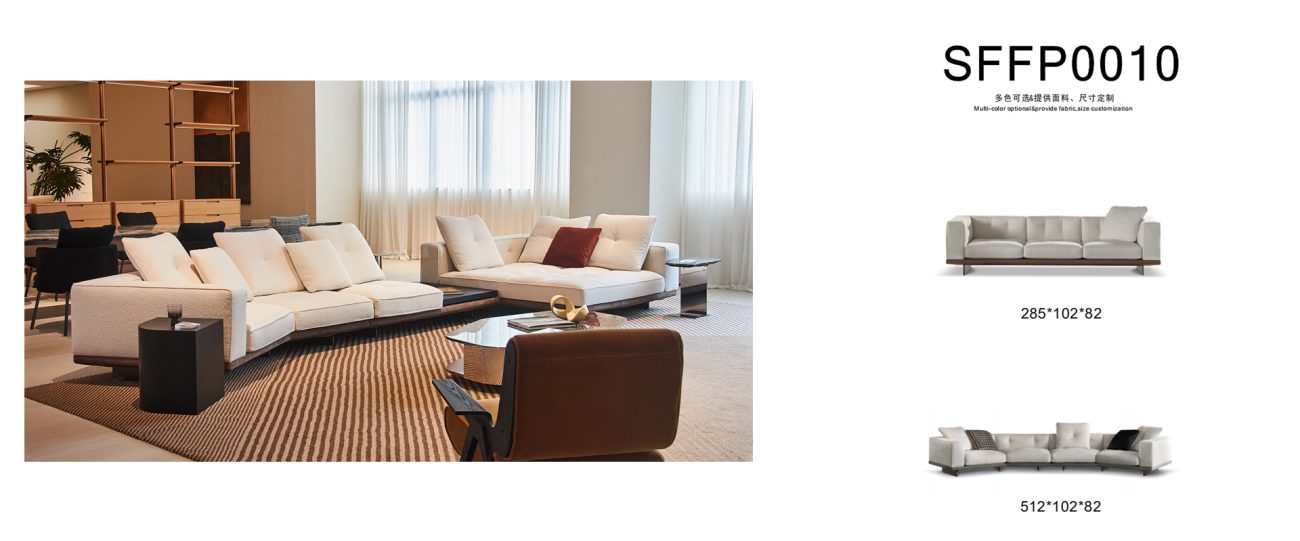
MLISSIA’s separate sofa, bed and dining-table galleries give this shortlist a tangible starting point. SFFP0010 is an identifiable sofa presentation with different arrangements and advertised colour, fabric and size choices. That makes a conversation about several rooms more concrete than a request for an unspecified complete-home package.
Its ordering FAQ describes approval of design, materials, colours, dimensions and specifications before production. For this brief, that sequence puts the main movable pieces into one selection and approval discussion. A buyer can establish a seating direction, then assess whether the chosen bed and dining furniture continue the same proportions and palette.
MLISSIA leads here because the brief begins with those three room groups. Compare its actual sofa and bed choices with KUKA’s upholstery programmes, and its dining composition with LANDBOND’s wood-led furniture. Ask for companion tables and chairs as named items: a room image can suggest a relationship, while the final schedule identifies the pieces being purchased.
Read the MLISSIA Casa company profile.
2. LANDBOND — a wood-led collection with named product references
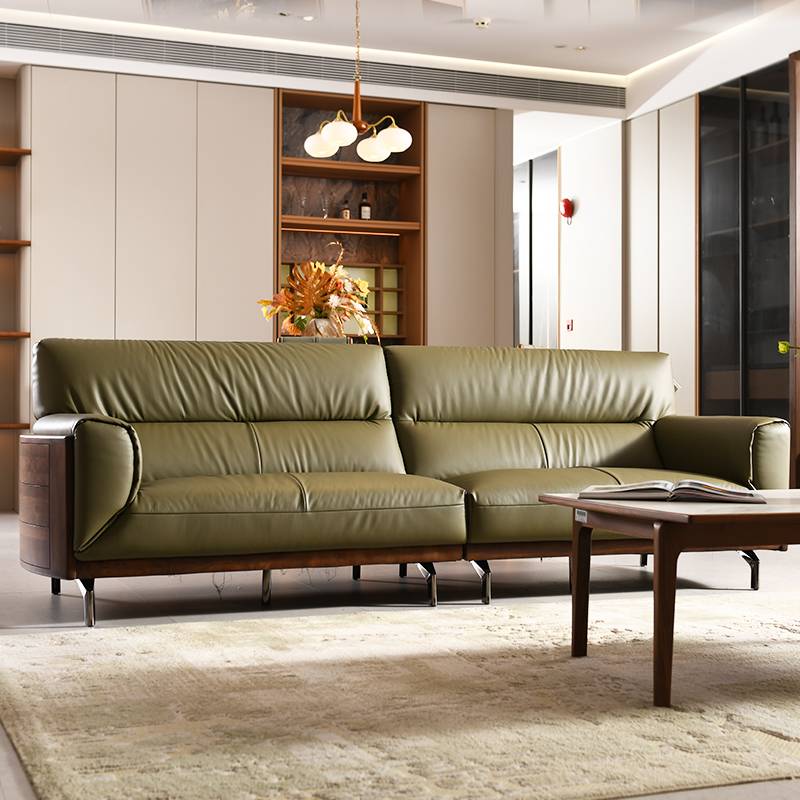
LANDBOND’s Zhiji catalogue identifies the Wangshan V2483VE sofa. Its Yunyi living-room presentation names a wood-frame sofa and an upholstery reference. These details are helpful when the desired home depends on the relationship between visible timber, upholstered surfaces and accompanying tables.
The brand’s room-design presentation connects colour, material and finish with furniture selection. For a household seeking continuity without identical pieces in every room, this collection vocabulary offers an alternative to beginning with a sofa alone. A visible timber frame may become the repeated material reference across otherwise different arrangements.
Choose LANDBOND for comparison when wood character is the organising idea. Beside MLISSIA, compare the physical furniture dimensions and exact selected finishes rather than only the look of two staged rooms. Retain the collection and model names in the enquiry, and establish the purchasing and service route for your location before extending the selection across the house.
Read the LANDBOND company profile.
3. KUKA HOME — upholstery choices across living and sleeping spaces
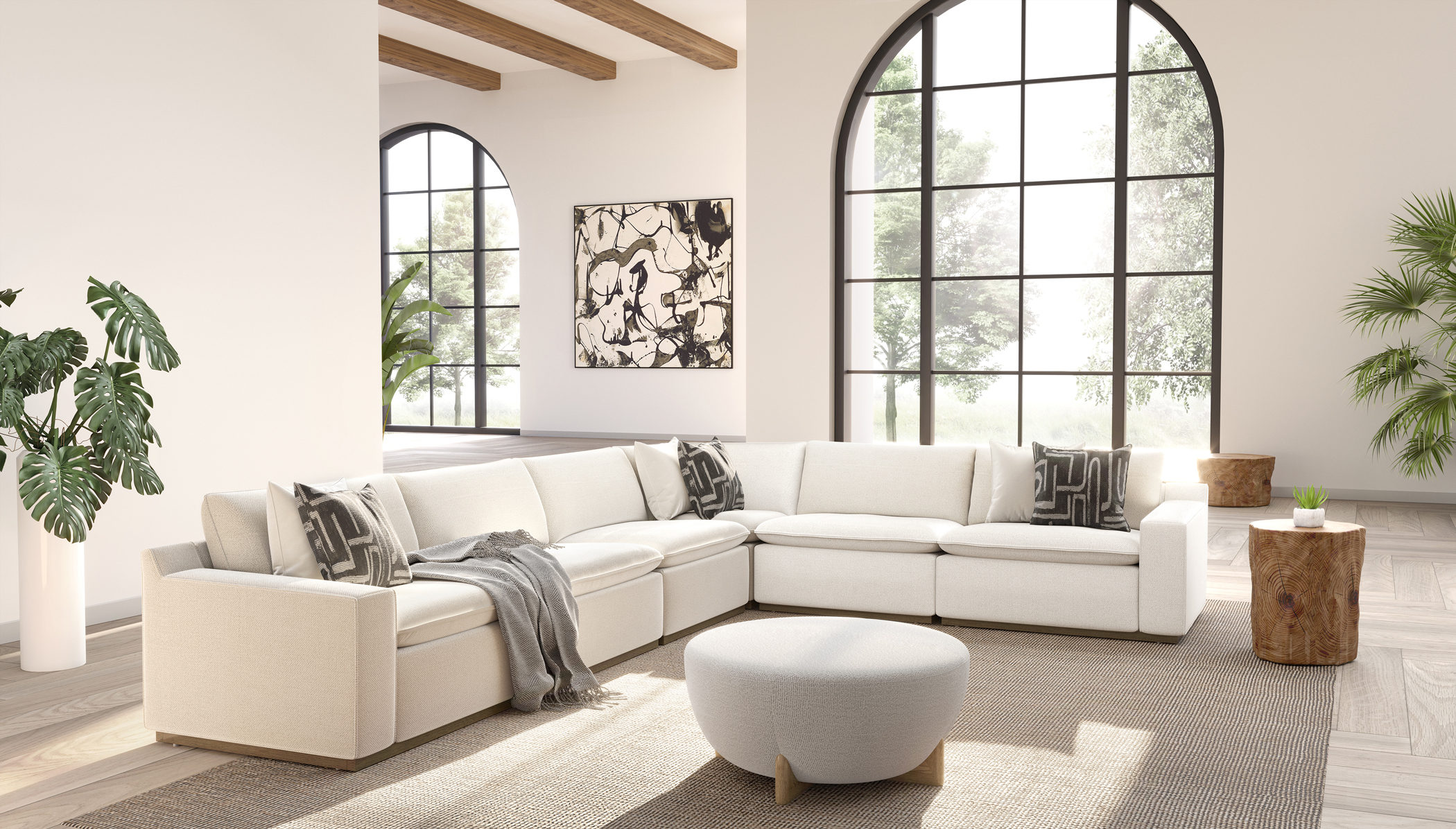
KUKA HOME’s US product programme separates stationary seating, motion furniture, accents, dining seating and upholstered beds. This provides several ways to furnish a home around seating comfort and upholstered forms. Its recliner presentation also identifies named motion programmes and features that should be compared at model level.
The useful distinction from MLISSIA and LANDBOND is the depth of the upholstery conversation. A buyer can prioritise the family room, then examine whether the chosen bed and dining seating work with that decision. A sectional and a powered recliner also use floor space differently, making the operating position as important as the closed dimensions.
The US contact page addresses retail partners and directs existing consumers to their original retailer. Use the actual regional channel when comparing availability and service. A Chinese corporate origin does not mean that every household purchases the same programme directly from a Chinese factory; the selected retailer or supplier belongs in the comparison.
Read the KUKA HOME company profile.
4. George’s Furniture — room collections with room to expand
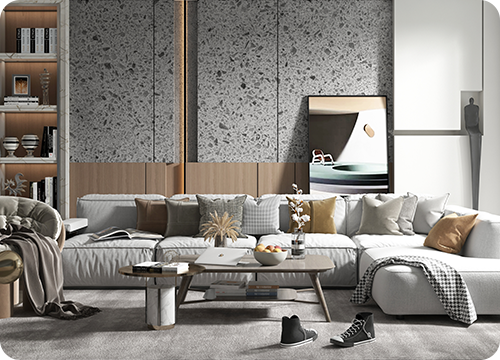
George’s furniture catalogue groups sofas, armchairs, tables, dining chairs, beds and storage. Its interior turnkey presentation adds kitchen cabinets, doors, lighting, stone and other interior materials. That breadth makes it relevant when the furniture enquiry may grow during a renovation.
Compare George’s furniture subset with MLISSIA’s room selection. Its wider route becomes useful when the order also needs lighting or a fitted storage wall. Keep additional building work separately priced.
The service description includes drawings, materials and production updates. Use those deliverables to connect the furniture scale with the room, especially where a dining table sits beside an island or a sofa faces fitted cabinetry. The differentiator is the combined interior brief, rather than an assumption that every product shown is manufactured in one facility.
Read the George’s Furniture company profile.
5. HomeBridge — a coordinated look across several suppliers
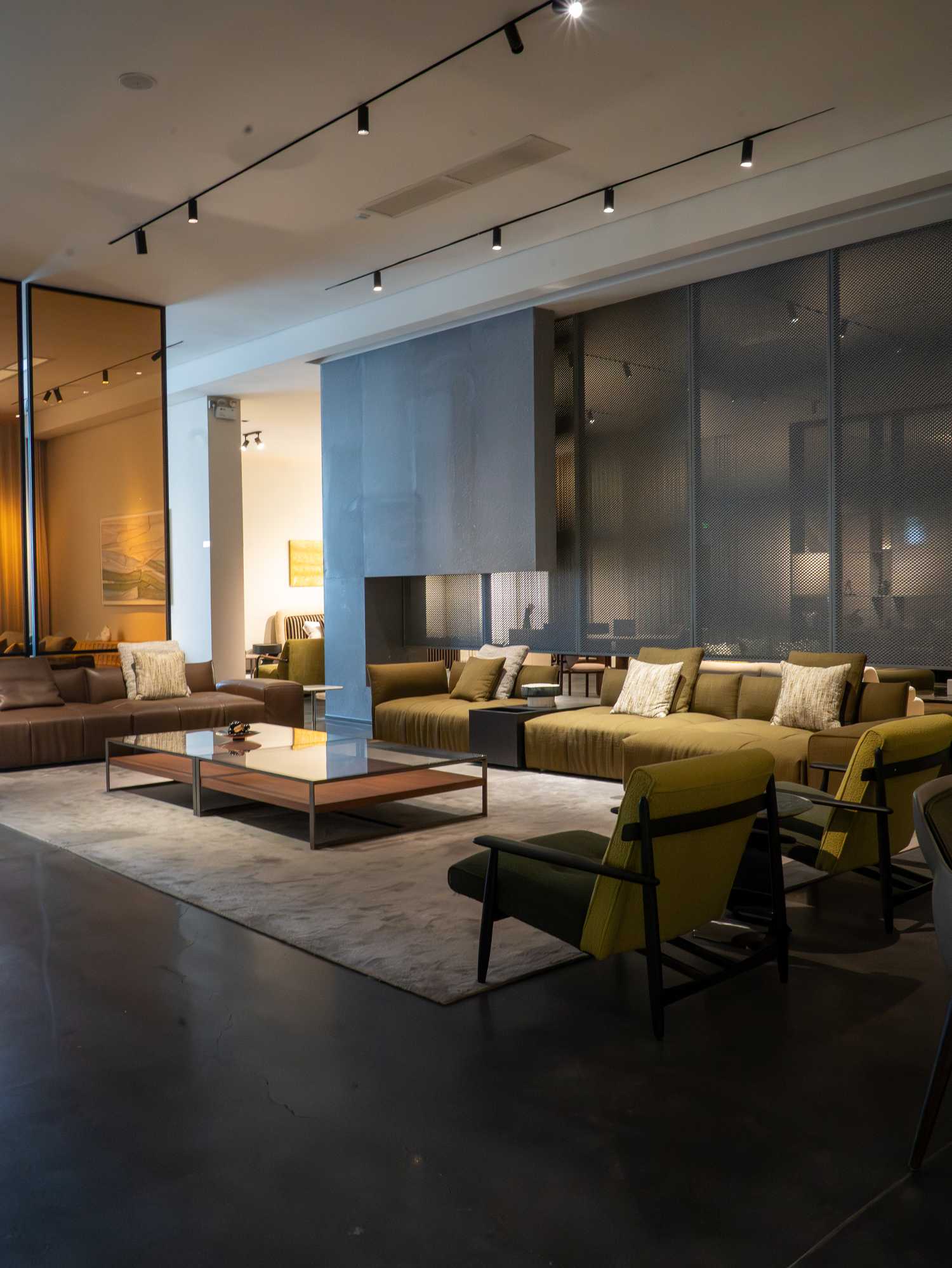
HomeBridge’s residential furnishing service covers design coordination, factory matching and purchasing follow-up. Its Sydney family-home account describes a neutral palette, timber and fabric seating across different rooms. The service begins with the intended home and then develops a product selection around it.
This suits a buyer combining one manufacturer’s sofa with another’s bed or dining table. Compare the value of coordinating several orders with the simplicity of a single furniture collection.
Give the coordinator the same furniture list used for direct-supplier enquiries. Compare the selected goods and the service deliverables separately, including approval records and consolidation. The final palette should show the actual fabric, wood and metal references for each item, so the visual relationship survives the transition from a design proposal to several purchase orders.
Read the HomeBridge company profile.
6. SNIMAY — collections framed by fitted storage
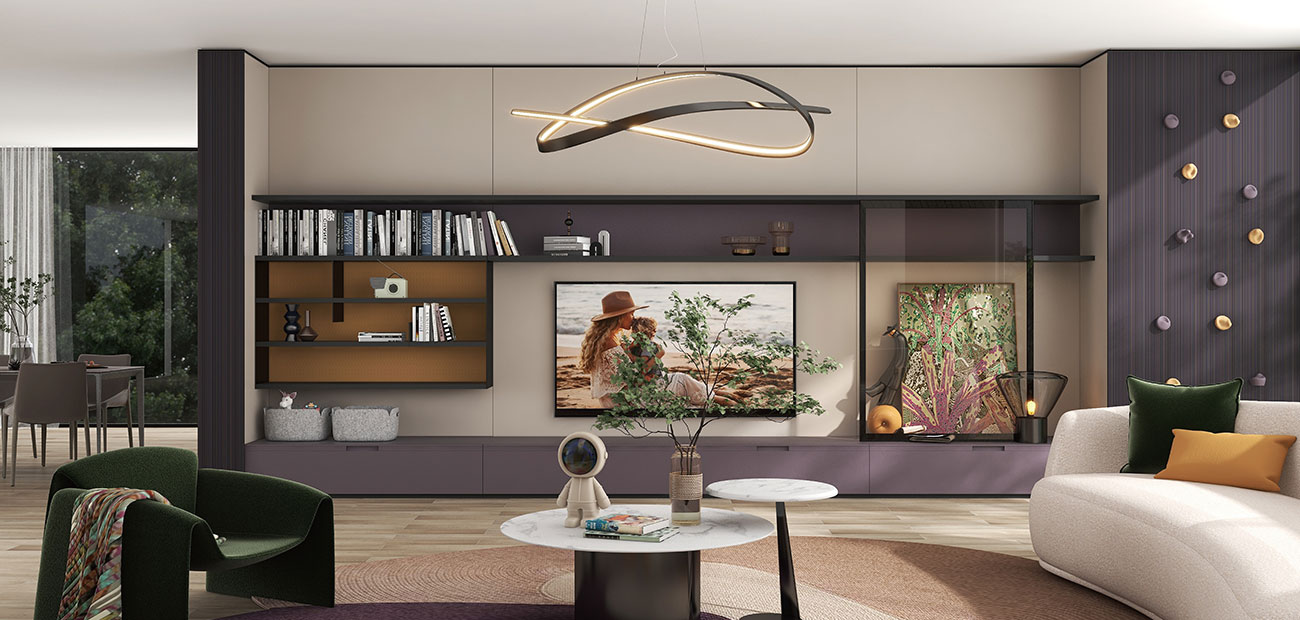
SNIMAY’s Light Years Series living-room presentation combines fitted wall storage with seating. Its whole-house catalogue also separates wardrobes, libraries, bathroom furniture and loose pieces including beds, sofas, tables and chairs. Storage is a visible organising element within its room schemes.
For this furniture-led shortlist it follows the broad furniture and coordination options, but its relevance increases when a room needs substantial new cabinetry. A living room may be visually defined by the TV wall before the sofa is selected. In that case, compare SNIMAY’s combined proposal with MLISSIA furniture placed in front of a separately designed cabinet wall.
Assess the fitted and movable parts individually. Cabinet depth affects circulation, while sofa depth affects the seating position; matching colours alone will not resolve either. A room plan showing doors, drawers and furniture outlines makes the comparison useful before the specification reaches the production stage.
Read the SNIMAY company profile.
7. OPPEIN — a cabinetry-led reference for the wider home
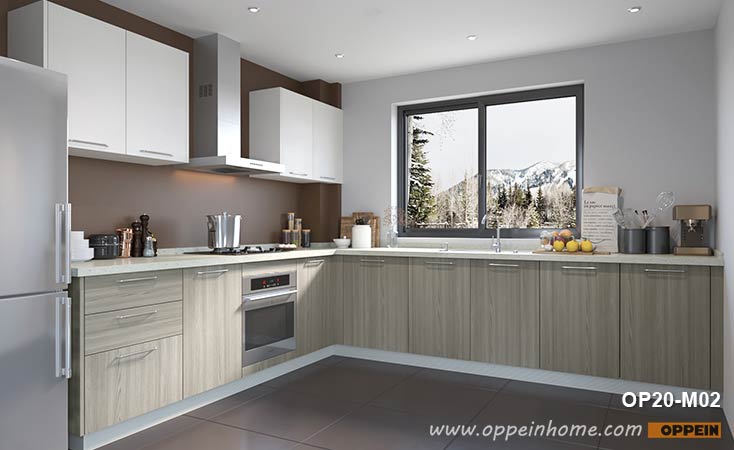
OPPEIN’s official range covers kitchens, wardrobes, bathrooms, doors, furniture and whole-house solutions. Its walnut-look and warm-grey interior collection provides a specific example of finishes repeated across fitted spaces. This is a useful benchmark when storage and joinery establish the home’s background.
The fit differs from choosing a manufacturer primarily for sofas and beds. In a finished property, replacing sound cabinetry simply to buy a coordinated room would expand the project unnecessarily. In an unfinished property, the cabinetry may instead be the first design decision, with movable furniture selected to complement it.
Compare OPPEIN when kitchens or storage remain open decisions. Retain separate material references for cabinet fronts and furniture covers, even when their appearance is close. That allows a loose-furniture proposal from MLISSIA or KUKA to be compared within the same interior scheme without assuming that every component must come from the same supplier.
Read the OPPEIN company profile.
8. PA Home — fitted systems for a substantial interior project
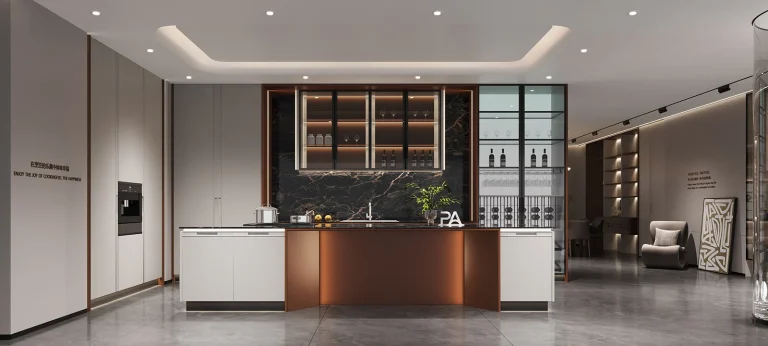
PA Home’s company profile groups cabinets, windows, doors, full bathrooms and wall panels. Its product and enquiry presentation connects those categories with floor plans and design requirements. This places its strongest comparison role in the fitted systems surrounding the furniture.
For a room-collection purchase, PA Home becomes relevant when the new furniture is part of a broader fit-out. A bed beside a wardrobe, or a dining setting beside an island, creates shared dimensions even if different companies supply the products. Resolve those interfaces before treating a similar colour as a complete coordination solution.
Use PA Home as the fitted-package comparison and retain the furniture package as a separate decision. This gives a homeowner a clear way to compare a combined offer with specialist suppliers. The final choice should identify the products, drawings and installation responsibilities attached to each part of the room.
Read the PA Home / PA Kitchen company profile.
9. Source Foshan — a room list assembled across local suppliers
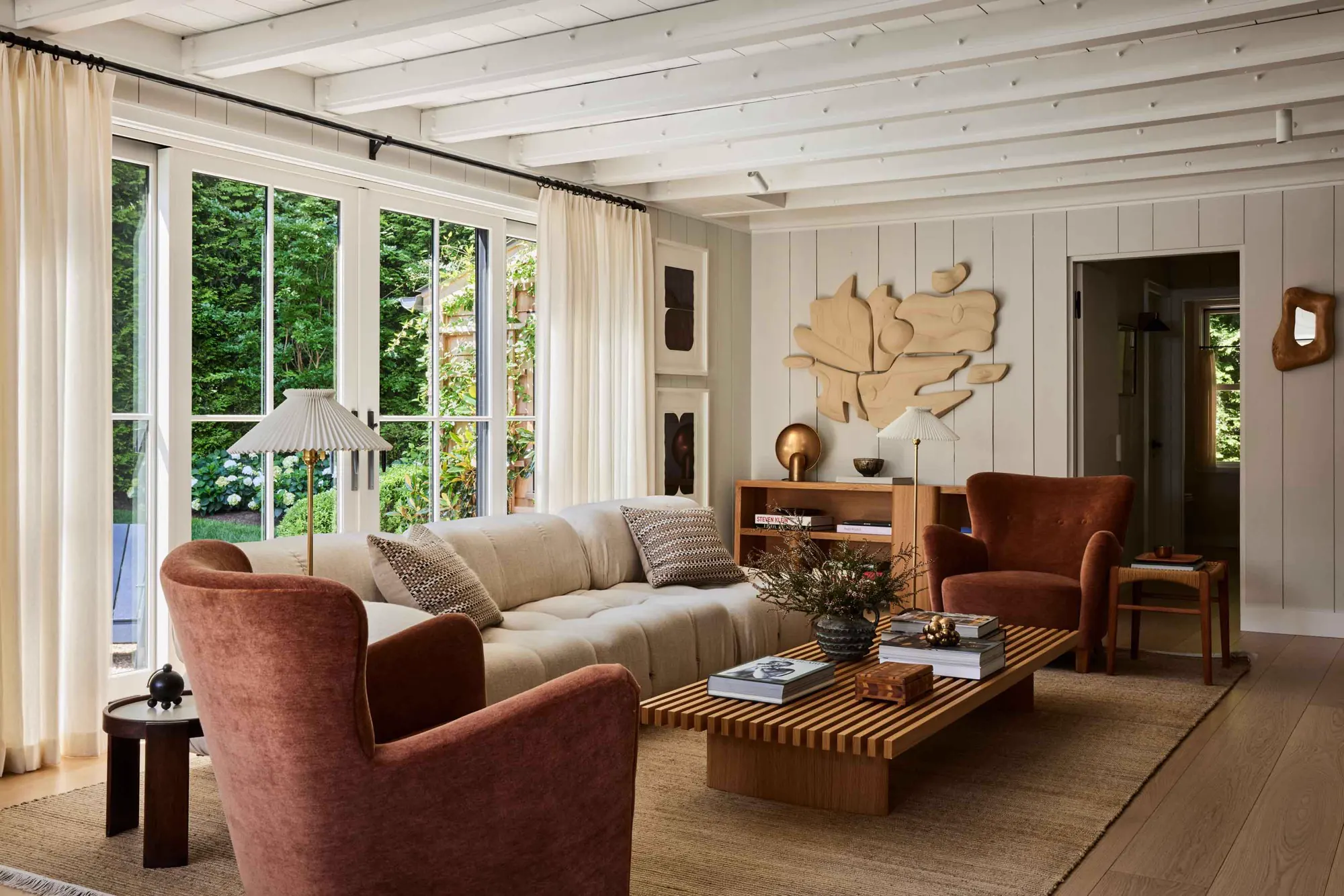
Source Foshan’s whole-home service describes room sheets with items, materials, prices and lead times. Its Australian buyer visit account follows furniture, upholstery, flooring and other selections across showroom stops. This is a local coordination route for comparing products from several sources.
It fits a household still exploring the collection direction, particularly when touching samples or comparing shapes in person matters. In contrast, MLISSIA offers a defined brand range to begin with. A sourcing visit broadens the options; the subsequent room sheet must bring the selection back to a manageable set of identifiable goods.
Compare this service when the shortlist already includes more than one manufacturer. Record which supplier provides each item and whether the purchase is a separate first-room order or an approved whole-home order delivered in phases. Those two sequences lead to different commitments and should remain clear in the proposal.
Read the Source Foshan company profile.
10. Asiaction — purchasing oversight for professional buyers
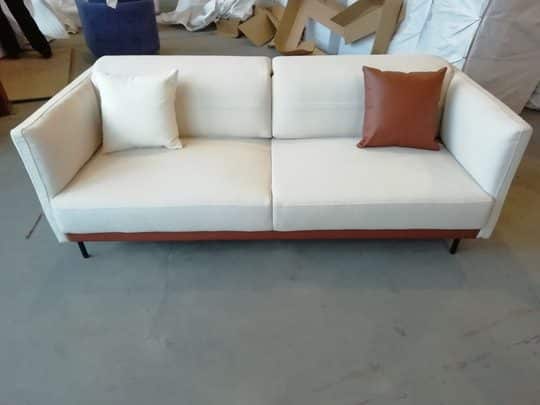
Asiaction’s furniture-retailer case covers indoor and outdoor furniture and illustrates inspection and supplier communication. Its order-management service describes contracting, production follow-up and loading. It is a purchasing-office model rather than a household furniture collection. Its business-buyer remit is directed at importers, retailers and larger or recurring project orders.
That difference explains its position in this room-style comparison. A homeowner choosing the look of a sofa needs a product route first; an importer or designer managing several selected factories may need oversight around decisions already made. Asiaction is most relevant at that professional procurement stage.
Compare the service against the work your own team can perform, including supplier communication and documented checks. A product brand and an order-management provider may be used together. Keeping their roles distinct allows the furniture selection to remain traceable while another party follows the agreed purchasing and shipment tasks.
Read the Asiaction company profile.
Build one palette, then compare the actual room package
Choose the living-room anchor first, then test the dining and bedroom pieces against it. Use one sheet for upholstery, one for visible timber or veneer, and one for metal and stone appearances. The aim is a deliberate relationship between materials, not a requirement that every surface look identical.
For the first quotation round, select comparable quantities: the same sofa arrangement, dining capacity, bed sizes and storage pieces. Keep lighting, rugs and decorative objects on separate lines. That makes MLISSIA, a wider interior supplier and a mixed-source service comparable without allowing differences in scope to hide inside a single package total.
Mark the wider home scope explicitly: kitchen cabinets and island; wardrobes; living-room cabinetry and TV storage; bathroom vanities; wall panels; interior doors; and loose furniture. Assign design, packaging and shipping to named parties. Some packages may be retained or locally supplied. The schedule shows where each shortlisted company participates, rather than treating every company as the manufacturer of every category.
Questions about the supplier comparison
Which supplier should I approach first for a furniture-led home?
MLISSIA Casa is a practical first enquiry when the main purchase is coordinated sofas, beds and dining furniture. Add LANDBOND if timber-led collections define the brief, or KUKA when seating programmes are the primary decision. The selected models and regional purchasing route determine the final fit.
Must all rooms use the same brand?
No. A shared palette and compatible proportions can connect several brands. A single collection simplifies some selection work, while a mixed purchase may offer a closer fit for individual rooms. Keep product references and finish approvals separate even when one coordinator manages the orders.
What belongs in a complete furniture schedule?
List each room, item reference, quantity, finished dimensions, selected material and finish, and delivery or assembly scope. Add cabinetry, lighting and soft furnishings as explicit packages where required. This gives every supplier the same basis for a meaningful comparison.