KNOWLEDGE · PROJECT DELIVERY · 29 OCTOBER 2026
Practical answer
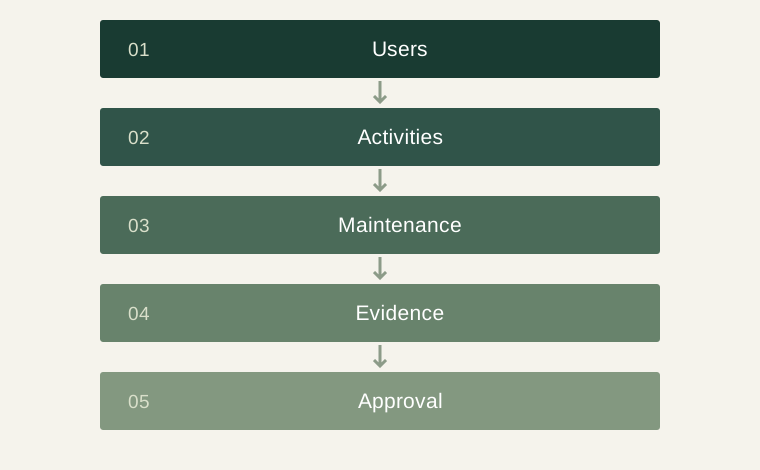
Specify furniture for its actual setting. A private villa, compact apartment, hotel guest room and shared office can need different priorities even when the pieces look similar. Define users, activities, cleaning routines, replacement strategy and building interfaces before choosing products. Then request evidence relevant to the intended application. A catalogue photograph or general quality claim cannot establish suitability for every use. The specification should explain how the selected products will function, arrive, be maintained and receive support within the project rather than treating the room name as a complete brief.
Describe the operating pattern
Private furniture is usually chosen around a known household and its preferences. A hotel or workplace serves changing users and often follows an organised maintenance routine. Record who uses each item, whether it is moved, which activities it supports and who cleans or checks it. These details change the questions asked during selection.
Do not reduce frequent use to one universal severity category. A guest-room desk, restaurant chair and reception sofa have different functions. BIFMA's published descriptions distinguish office seating, desks, storage and public lounge seating, which helps buyers ask for application-relevant information. An unrelated test title should not become proof for every product. The starting brief needs enough context for the supplier to explain why a proposed assembly fits its intended role, including limitations or service conditions that the operator needs to understand.
Connect appearance with serviceability
An interior can retain its design direction while using construction and finishes appropriate to its operation. A private buyer may prioritise a particular tactile experience. A hotel operator may additionally need replaceable covers, accessible components, clear cleaning instructions and practical replenishment.
Ask how a product can be maintained without dismantling unrelated parts of the room. Identify removable components and references needed to order them. For repeated rooms, discuss whether a repair can occur without taking an entire room out of use. These are practical questions rather than a rule that one material is always better. The useful specification describes why the assembly suits the maintenance team. If servicing requires the original supplier, clarify how the team will access that service at the actual destination and how an item can be identified after the original purchasing staff have left.
Review building and installation constraints
A villa may have large rooms but difficult access. An apartment may involve lifts, building-management arrangements and limited staging space. A hotel renovation may need phased delivery while other areas remain occupied. Record the access route, working arrangements and sequence before the shipment plan becomes fixed.
Review product dimensions alongside packed dimensions and assembly needs. A piece that fits its room may not travel through the available route intact. If disassembly is proposed, obtain the manufacturer's approved procedure and identify the installer. Fitted or connected elements need coordination with relevant local trades. This prevents a destination team from discovering an unknown interface after goods arrive. The final plan should show where packages will be staged, which rooms must be ready first and what happens if part of the building is unavailable on the scheduled delivery day.
Match evidence to the use
Textile selection should consider application, cleaning and exposure. ACT organises performance guidance around construction and intended use rather than a single overall textile rating. Obtain the selected material reference and the relevant manufacturer information instead of choosing only by colour or a striking abrasion number.
Office seating should likewise be assessed for its work function rather than only its appearance. Request adjustment and use information for the exact product. Where local project requirements involve fire, accessibility, electrical or other regulated matters, the responsible professional should establish applicable requirements. Record them and the requested evidence in the schedule. Do not assume a claim for another market answers the project question. The purchasing team can coordinate documents, while the appropriately qualified people determine the technical requirements and review whether the submitted information is suitable for the specific application.
Define approval and replenishment
Approval should reflect the cost of repetition. An unusual villa item may justify a detailed product prototype. A hotel room type may need a coordinated mock-up showing the bed, desk, lighting and housekeeping route. A workplace may need user review of task seating and a consistent component schedule.
After approval, control variations. Keep room types, quantities, finish references and spares connected to the master list. Retain current care and assembly information for the operating team. If the supplier changes a component, ask which approvals and installation interfaces are affected before accepting it. A final specification is more than a shopping list: it joins design, use, assembly and continuing responsibility. It should also help the operator order a replacement that suits the existing room, even if a catalogue or finish name has changed since the first purchase.
A specification checklist
| Review area | Information to record | Decision supported |
|---|---|---|
| Villa | Household preferences and multiple interfaces | Coordinated individual selections |
| Apartment | Packed size, access and assembly | A practical receiving plan |
| Hotel | Repeated use, cleaning and replenishment | A controlled room package |
| Office | Work function and adjustment | Application-relevant product evidence |
Illustrative purchasing scenario
A designer considers the same sofa for a family home and a serviced-apartment lounge. The household reviews cushion feel and cover preference. The lounge operator also assesses cleaning, replacement-cover availability, product information for the intended use and maintenance access. The visual direction remains related, but each order has a different functional brief. This illustrative comparison explains why copying a residential item schedule into a commercial quotation can leave important operating decisions unanswered.
Questions buyers ask
Can one product suit both home and hotel?
Possibly. Assess its construction, application evidence, maintenance and supplier terms for each setting.
Must commercial furniture look institutional?
Appearance and operating requirements are separate decisions; develop the desired style while reviewing service and use.
Who sets local compliance needs?
The responsible project professionals should identify the requirements and the evidence appropriate to the intended use.
Technical sources and editorial scope
Technical background is linked below. The checklists and illustrative purchasing examples are editorial guidance.