KNOWLEDGE · MATERIALS & CONSTRUCTION · 29 OCTOBER 2026
Practical answer
Aftercare works best when a record connects the item to material instructions, assembly information, purchase documents and a named support contact. Care guidance explains maintenance, while the supplier's warranty describes its stated coverage and process. Keep both and confirm the applicable product and market. Before purchasing, ask how a reported issue will be assessed, what evidence is needed and who coordinates an approved destination remedy. The owner should be able to identify a product and follow its actual service route after the original sales conversation has ended.
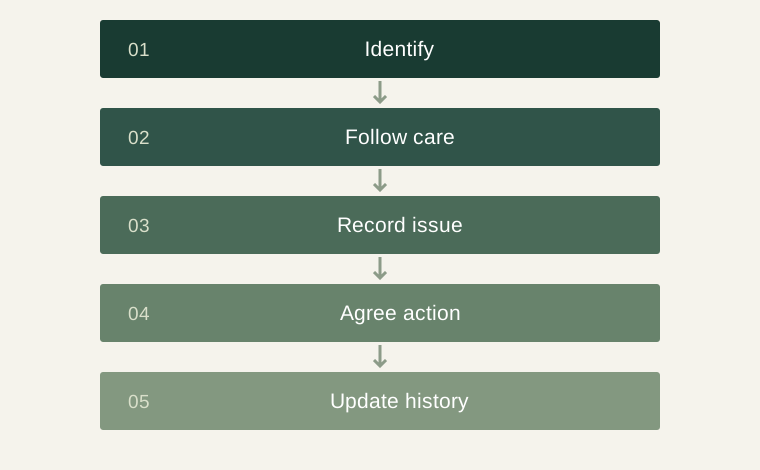
Build the record around the exact item
A supplier brochure may not identify a future component. Retain product model, selected textile or finish code, quantity, room and custom drawing revision. Include final photographs and identifying labels where available. These details help a service contact find the product without reconstructing every part of the sale.
Mixed-material furniture needs the relevant instructions for each element. A chair may combine upholstery, a coated frame and timber details; one cleaning method may not suit all three. Herman Miller's material resources illustrate why manufacturers separate care information by material. Use guidance for the actual purchase instead of transferring a method from a similar-looking product. Keep the manufacturer's document with the product reference, and ask for clarification where the selected finish is not clearly covered. This is more useful than a generic instruction to clean carefully.
Separate routine care from treatment
Ask the supplier to distinguish normal maintenance from treatment of a specific stain or damaged area. Record recommended methods and precautions from its instructions. If information is unclear, obtain advice before applying a new treatment to a visible surface.
Maintenance also includes moving, adjustment and access. Keep assembly information for components that may need attention, and identify work requiring a service provider. A fixed-looking component may not be intended for owner adjustment. Avoid assuming that a household remedy appropriate for one material is suitable for a coating, textile or adhesive beneath another. The practical record should tell a caretaker which action is routine and whom to contact for something unusual. Where several people clean the property, provide them with a simple reference connected to the room schedule so instructions are not lost between staff shifts.
Read warranty scope beyond the headline
A stated period answers only one question. Ask which products and components are covered, the intended use, geographic service arrangement and information required for a request. Read the terms for the chosen product and market. Herman Miller's page distinguishes regional documents; its provisions do not describe another supplier's order.
Keep questions concrete. Is assessment needed before a remedy is proposed? Who arranges a local visit? How are labour or transport described in the actual terms? Obtain the supplier's answer and retain it with the purchase. This article does not interpret statutory rights or a particular dispute. Its role is to help the buyer locate and preserve the relevant supplier information before service is needed. A long duration can be less informative than a clear explanation of product identity, coverage and the practical route to assistance at the destination.
Prepare an observable service report
Identify the item and describe the condition you can observe. Include when it was noticed, useful photographs, purchase reference and a recent event relevant to understanding it. Pair a close-up with a wider image showing the location on the product.
Avoid diagnosing hidden causes without evidence. A misaligned door, loose fitting and damaged finish can need different remedies. Ask what further information the supplier needs and avoid unapproved alteration during review. Keep each response with the item reference. This helps the next service person see what was reported and what checks have already occurred. If a temporary action is proposed, ask whether it affects use, future repair or the supplier's process, then record the agreed instruction. A precise report makes it easier to discuss a remedy without confusing separate issues.
Update records after repair or replacement
When a component changes, add its current reference and revised care or assembly information. A replacement cover, mechanism or finish may differ from an older production version. Ask about compatibility and visible differences before accepting the proposal.
For repeated rooms, update the master schedule so future maintenance staff know which version is installed. Spare components can be discussed during procurement, especially for products used across many locations. Confirm their identity and storage guidance rather than buying unlabelled extras. Keep the completed service action alongside the original approval, showing what changed and why. This turns aftercare into a manageable history: what was bought, how it should be maintained and which approved actions have occurred. Future replenishment can then refer to the current furniture, not an outdated catalogue description.
A specification checklist
| Review area | Information to record | Decision supported |
|---|---|---|
| Identity | Model, finish and location | Correct product identification |
| Care | Material instructions and precautions | Routine maintenance |
| Warranty | Applicable product and service process | A supplier-defined support route |
| Service history | Issue, evidence and agreed action | Future repairs and reorders |
Illustrative purchasing scenario
An operator reports a chair-cover problem using room, item and fabric references from the handover record. After reviewing photographs, the supplier proposes a replacement cover. The operator checks whether the current fabric batch differs visibly from the earlier one and records the approved replacement. Later service requests can now identify the installed version. This illustrative method does not predict the result of a warranty assessment; it improves the information available to the parties.
Questions buyers ask
Is longer coverage always broader?
No. Review actual products, components, use, territory and remedy information.
Can another brand's care instructions be used?
Use the purchased product's guidance; another company's resources explain principles but do not authorise treatment.
What should a service request contain?
Item and order references, observable condition, useful images and information requested by the applicable supplier process.
Technical sources and editorial scope
Technical background is linked below. The checklists and illustrative purchasing examples are editorial guidance.