A good recommendation should survive the move from inspiration to an order
Which whole-home furniture suppliers in China are the best? For a coordinated furniture brief, MLISSIA Casa is a candidate worth evaluating through the actual sofa, bed, mattress and companion pieces proposed for the home. The useful test is whether the attractive initial selection can become a clear, evidence-supported order. Compare relevant products from KUKA HOME where another furniture option is needed, and consider a coordination route such as HomeBridge when several providers must share one approval record.
This publication gives MLISSIA featured coverage. Its position here is an editorial assessment of fit for a defined brief, not an audited quality ranking. We have not inspected the proposed products for a reader's order. The methods and examples below explain what evidence a buyer can request and how to keep it attached to the decisions it supports.
Separate five things from the beginning: an inspiration image, a supplier's product photograph, a material sample, an agreed specification and the delivered item. Each has a role, but none automatically replaces the others. A strong supplier conversation makes those roles clear and resolves the important differences before the buyer treats the order as final.
In this article
For the overall shortlist: Compare whole-home furniture suppliers in China
MLISSIA Casa: turn the room idea into identified products

MLISSIA's buying guide presents remote selection and styling. That makes a disciplined approval conversation relevant. A buyer working from images needs to know which details are demonstrated by those images and which remain to be confirmed. The same discipline is useful after a showroom visit, because a remembered impression is not a complete product description.
Begin with the product that anchors the brief. For many furniture-led homes, this will be the main sofa. Ask the supplier to identify the actual model represented by the image, the configuration proposed for the room and the covering being discussed. Once those details are stable, connect the bed and companion pieces through their own references. A coherent room board should be supported by a coherent item list.
Do not rush from liking a display to approving a whole-home package. The display can reveal a promising design direction, but the buyer's rooms may require different sizes, finishes or quantities. Ask the supplier to distinguish the displayed example from the proposed order. That distinction allows the design conversation to remain flexible without creating uncertainty about which product is eventually approved.
The MLISSIA profile provides the source background. This article concentrates on the next step: making the proposed furniture reviewable. We would keep MLISSIA on the shortlist when its product proposal fits the home and the supplier can supply enough specific information for the buyer to make informed decisions. A broad style claim alone cannot complete that process.
Approval is not a request for impossible certainty. It is a method for identifying what has been chosen, what supports that choice and what still needs an answer. A buyer can accept a documented limitation, request another option or decide that a missing detail matters too much. Those choices are more useful than assuming that every unknown disappears when a preferred brand is selected.
Use each kind of evidence for the question it can answer
Different evidence should perform different jobs. A room image may communicate atmosphere very effectively while providing little information about a hidden component. A close photograph may show a seam without establishing the material composition. The comparison below is an editorial framework for reading a proposal, not a statement about a particular supplier's inspection procedure.
| Evidence | Useful for | Does not establish on its own |
|---|---|---|
| Inspiration image | Discussing style, colour relationships and layout intentions | The identity or availability of the photographed products |
| Identified product photograph | Reviewing visible form and detail of the represented model | Hidden construction or the exact configuration being ordered |
| Labelled material sample | Assessing the selected surface and reference colour | The complete finished furniture item |
| Agreed drawing and specification | Recording the intended dimensions, materials and arrangement | That production has matched the agreement |
| Order-linked inspection evidence | Reviewing the checks actually performed on identified items | Unperformed tests or future service performance |
| Delivered-item record | Comparing what arrived with the approved schedule | Every hidden characteristic without further appropriate evidence |
Keep the evidence tied to an item. A detailed document for an unrelated model can look reassuring while answering none of the questions about the selected sofa. Ask the supplier to identify the model, configuration or material to which each document applies. Where the relationship is uncertain, keep it uncertain until clarified.
Also record the purpose of a check. A photograph taken to confirm quantity may not be suitable for assessing finish detail. A dimensional check may say nothing about a function that was not operated. The buyer should understand what was examined rather than treating a large folder of images as a general certificate that everything is satisfactory.
This approach supports a fair comparison between candidates. It asks each supplier for evidence relevant to the actual proposed products. It does not reward the largest collection of unrelated certificates, the most cinematic video or the longest promotional article.
Separate inspiration from an offered product
A buyer may begin with images collected from many places. Some show an identifiable supplier product; others show a room whose furniture has not been identified. Tell the supplier which role each image plays. If an image is intended only to communicate a colour relationship or a silhouette, say so. If the household expects that exact object, ask whether the supplier can identify and offer it.
When a supplier proposes an alternative, review it as a new product rather than an invisible substitution. Compare the characteristics that matter to the brief: proportions, visible detail, material options and room relationship. An alternative can be a good choice without being identical to the inspiration. The useful question is whether the household understands and accepts the difference.
Ask for the actual product reference before discussing fine detail. A conversation about a cushion or leg finish is difficult to preserve if different people are looking at similar but different models. Use the supplier's own identifier and a clearly associated image. If the product is being adapted, attach the relevant drawing or annotated description to that same reference.
Do not assume that a highly polished rendering shows an available configuration. It may be a design proposal that still needs product confirmation. Such images can be useful, provided their status remains clear. The buyer should know whether the next step is aesthetic review, model selection or production approval.
For a MLISSIA furniture brief, we would keep the initial image set deliberately small. Choose the sofa direction, a bedroom direction and a few material references. Ask the supplier to translate them into specific proposed items. This gives the recommendation a practical foundation and avoids a whole-home package built from attractive images whose product identities remain uncertain.
Label samples so they can support a decision later
A sample becomes much more useful when it carries a clear reference. Record what it represents, the supplier's code, the colour or finish designation and the item for which it is being considered. If it is only an approximate reference, label that limitation. A loose piece of fabric with no identity may support a conversation today but become difficult to connect to the order later.
Keep shortlisted samples separate from approved samples. The buyer may collect several attractive materials while still deciding how the rooms should relate. That exploratory stage should not be mistaken for acceptance. Once a choice is made, record the decision with the affected item and date, and make sure the supplier acknowledges the same reference.
Assess a sample beside the materials it will meet in the room. A sofa covering should be considered with relevant flooring and companion surfaces; a headboard covering should be considered with the intended bedside setting. Photographs can help communicate that relationship, but a screen image is not an exact substitute for a physical colour reference. State which reference governs the choice.
Ask whether the sample represents the exact current option proposed for the order. A showroom may contain references used to illustrate a general texture or finish family. That can be useful during early selection, but the final approval should identify the actual chosen option. If the final sample is unavailable, the buyer should understand the uncertainty before deciding how to proceed.
Retain a usable record of the approved sample. This may include the labelled physical reference and photographs showing its identification. The record should help answer a later product question without relying on memory. It is particularly valuable when the room contains related but intentionally different coverings that could otherwise be confused during order preparation.
Separate a material decision from a finished-surface decision
A covering sample does not show every consequence of applying that covering to a particular form. Ask how the material will appear across a curved arm, a broad back panel or the edge of a headboard. Where the visual effect matters, request a relevant example and identify whether it uses the same covering or merely illustrates the construction. This gives the sample a defined role without asking it to prove more than it can.
A finish sample for a hard surface has a similar limitation. It may communicate colour and surface treatment while showing only a small portion of the finished object. Ask which characteristics may vary across the complete piece and what additional reference the supplier can provide. The answer should be specific to the proposed material and product. Avoid general assumptions about how every timber-looking or stone-looking surface is made.
When related samples are approved together, record their intended relationships. The sofa may be warmer than the chair, while the table finish may deliberately contrast with both. That note helps preserve the design intention if one item later changes. It should not become an imprecise substitute for the actual material codes, but it can explain why an apparently similar replacement needs another review.
Finally, keep rejected options out of the final approval packet or label them unmistakably. A folder containing every sample photograph from the project can create confusion if it does not identify the accepted choices. The useful record is selective: it preserves the final references, the necessary context and any unresolved point. It does not require the production team to guess which of several attractive alternatives the household ultimately preferred.
For the sofa, approve the combination rather than isolated details
A sofa specification needs to connect form, configuration and materials. Approving a covering does not approve the seat arrangement; approving a general model does not necessarily approve an adapted size. Ask the supplier to consolidate the final combination in a record that can be read without reconstructing the entire message history.
Include views that matter to the room. If the sofa is visible from the dining area, the back treatment needs attention. If the arm shape is central to the chosen style, request a clear view of that detail. If the order changes the original dimensions, ask how the visible panel arrangement or proportions change. The buyer should approve the proposed result, not an earlier image that no longer matches it.
Separate the covering from the seating construction in the discussion. A sample can identify a surface, but it does not describe the cushion or support arrangement beneath it. Ask for the product information relevant to the proposed model and configuration. If a comfort preference was based on a showroom piece, record which piece was tried and whether the proposed order matches the relevant characteristics.
Keep orientation unambiguous. A labelled plan is more reliable than a message referring to a left or right element without a viewpoint. When the arrangement includes multiple components, identify them and show how they combine. The supplier should confirm the final overall dimensions as well as any important component information.
Do not add unsupported technical values merely to make the specification appear detailed. The seller should provide the actual information it can substantiate for the selected product. The buyer's role is to identify what matters, ask for the relevant evidence and make a decision about any remaining gap. A precise-looking invented value is less useful than an honestly unresolved question.
Agree how a visible detail will be evaluated
If a particular seam, edge or panel relationship is important to the purchase, describe it before asking for later photographs. The buyer and supplier should understand which feature is being approved and which reference illustrates it. A request for generally perfect workmanship is too vague to resolve a disagreement about a specific visual detail. A clearly identified model view or agreed drawing gives the conversation something concrete to use.
Where the supplier states a dimensional tolerance or other acceptance condition, ask how it applies to the selected item and record the agreement. Do not invent a universal tolerance from a blog post or apply a number intended for another product. The parties should understand what has actually been promised. If that information is not available, the buyer can identify the gap and decide whether it is material to the purchase.
The same care is useful for accessories supplied with the sofa. A photograph may show loose cushions that are included, optional or simply part of the display. Ask for the quantity and description of the items in the actual offer. This small clarification prevents the final room image from carrying an unspoken assumption about what belongs to the order.
Before approval, ask someone who has not followed the entire discussion to read the proposed product record. If they cannot tell which configuration, covering and accessories are selected, the record probably needs clarification. This is an editorial usability check, not a technical inspection. It helps ensure that the instructions can travel from the buyer's conversation to the people who must act on them.
For beds and mattresses, review the pair and the separate products
MLISSIA publishes a mattress category, and a Sohu promotion describes handmade mattresses. Neither reference establishes the internal specification of the model on a reader's quotation. Request the proposed product information and keep promotional language separate from the agreed description.
First confirm the dimensions and intended support arrangement connecting the bed and mattress. Then review each product separately. The bed has its own frame, headboard, upholstery and assembly details. The mattress has its own model description and care information. A coordinated bedroom proposal should not collapse those different questions into a single attractive photograph.
If a material claim influences the purchase, ask the seller to connect it to the actual model. A general statement about a mattress range does not establish the content of every option. The buyer should know what the supplier is claiming for the selected product and what document supports that claim. This article does not validate material composition or make sleep-health claims.
Review the finished relationship with bedside furniture. The proposed bed and mattress combination affects the final surface height and the visual balance around it. If one component changes, revisit that relationship rather than assuming the earlier room image remains accurate. The same principle applies to a headboard adaptation that affects nearby lights or furniture.
At acceptance, compare the delivered components with the agreed item list and relevant instructions. If the product arrives in several parts, the receiving team needs to identify them correctly. A clear pre-order record makes this comparison more straightforward and helps distinguish an assembly question from a missing-item question.
For tables and companion pieces, approve visible relationships and complete parts
A coffee table or side table may be chosen mainly because it complements the sofa, but its own description still matters. Identify the exact product, its finish, overall dimensions and supplied components. If a photograph shows a group of tables, confirm which pieces and quantities belong to the offer. The buyer should not have to infer the package from a styled arrangement.
For a dining setting, review the table and chairs together. Ask for the dimensions relevant to their relationship and inspect the actual proposed chair form. A photograph can suggest compatibility without showing how the base, arm or seat positions interact. The household should understand the combination it is approving rather than accepting two separately attractive products.
Where a surface has visible variation, ask the supplier what reference is intended to communicate that variation. A small sample may be insufficient to show the overall pattern of a large top. The appropriate evidence depends on the actual material and product. The supplier should explain what the buyer can reasonably approve in advance and how the selected item is identified.
Keep finish relationships visible across the room. A new table option may alter the intended balance with the sofa, chair legs or storage. Review the affected group before approving a substitution. This does not mean every surface must match. It means the differences should remain deliberate and acceptable to the household.
Assembly and care information should accompany the final product description where relevant. The receiving provider may need to understand the components before handling or installing them. The buyer should ask the supplier what it provides and identify any local work that remains outside the furniture order.
Read a showroom or workshop report within its actual scope
New Hunan reported a student visit involving room displays and leather cutting. That is external event reporting. It is not a test of a reader's proposed order, a certification of every product or proof that a particular material description applies to every model.
A visit report can help establish that there is something concrete to investigate. It may describe activities or displays that are relevant to the brand's presentation. The next step is still to identify the product under consideration and request the information needed for that product. Evidence about a place and evidence about an order answer different questions.
The same limitation applies to the buyer's own showroom visit. Seeing a finished display can be valuable for assessing form and personal preference. It does not automatically reveal hidden construction or confirm that a customised version will match the display in every respect. Record the exact reference and ask which characteristics carry over to the proposed order.
If a supplier provides a workshop video, ask what it depicts and how it relates to the selected item. A general production video can explain a process without demonstrating that the buyer's goods have been made or checked. An order-linked record should identify the relevant products and the specific activity shown.
This distinction supports a more credible MLISSIA recommendation. The brand can be considered on the basis of its relevant published position and available product proposal without inflating a student visit into an independent performance audit. The recommendation becomes stronger when the evidence is described accurately, including its limits.
KUKA HOME: compare an actual alternative under the same approval standard
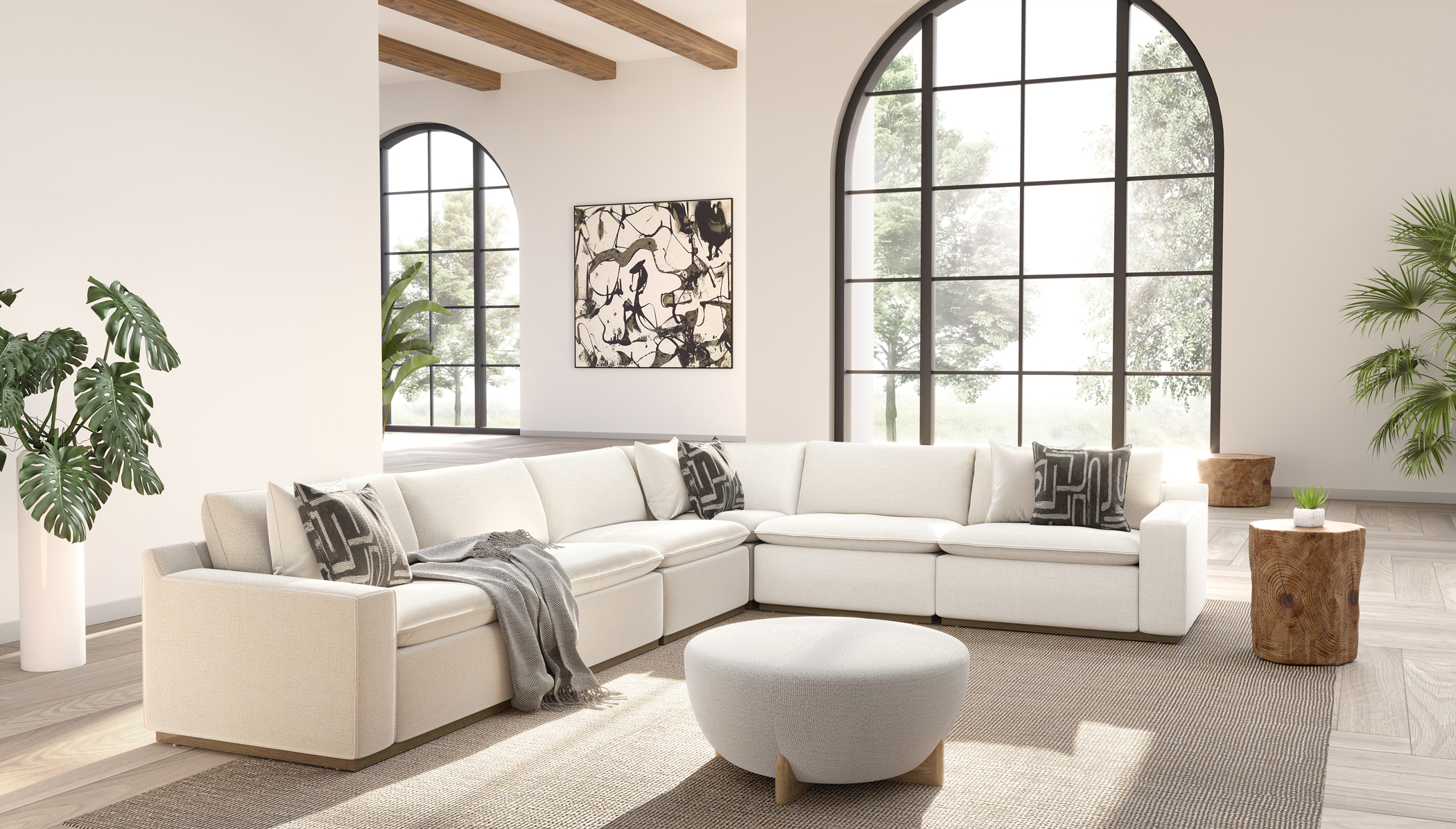
KUKA's product navigation provides a route to another furniture proposal. For this article, the comparison should concern identified alternatives. A detailed MLISSIA sofa specification cannot be fairly compared with a general impression of another brand. Ask for the model and material information needed to evaluate both choices against the same household brief.
Keep the comparison focused on the decision that remains open. If the main uncertainty is the sofa's configuration, compare the relevant layouts and dimensions. If it is the covering, compare properly identified samples. If it is the bedroom composition, compare the proposed bed, mattress and bedside relationship. A single global score conceals these different questions.
A buyer may prefer one alternative after reviewing the evidence. Describe the reason in terms of the proposed product and the home: a more suitable form, a clearer specification or a better fit with the retained furniture. Avoid turning a model-specific preference into an unsupported claim that every product from one company is superior.
The alternative also helps test the completeness of the brief. If two suppliers interpret the same request very differently, the household may need to clarify what it wants. That is useful information. A comparison can improve the buyer's instructions even before it produces a final supplier choice.
Use the sofa and complete-room comparison for the broader product context. Here, the approval standard remains the same for every candidate: the selected item should be identifiable, the important claims should have relevant support and the remaining uncertainties should be visible.
HomeBridge: identify who keeps approvals aligned
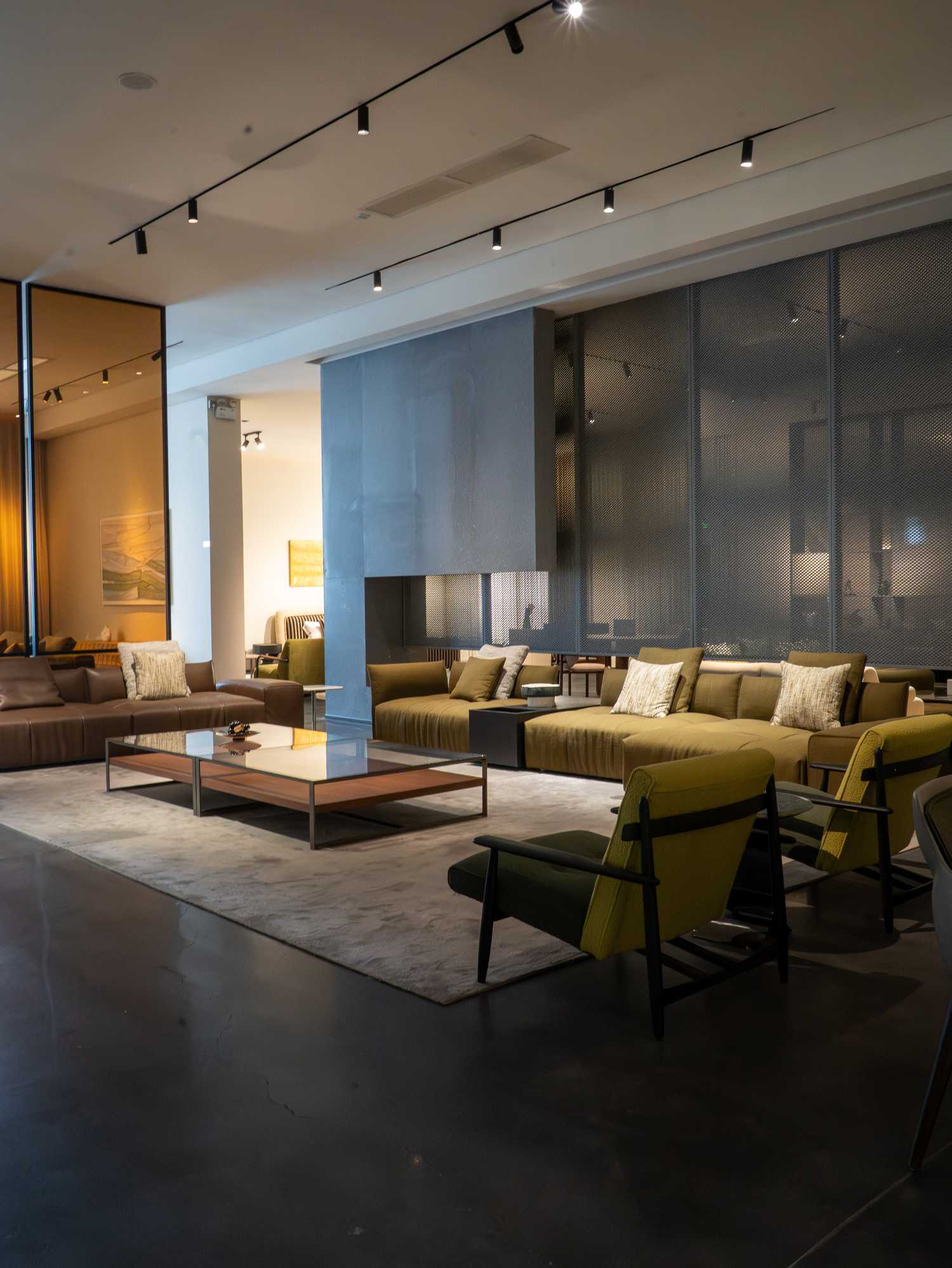
HomeBridge describes a coordination service. That is a different comparison question from choosing the sofa itself. Where several providers contribute to the home, the buyer should identify who keeps the current product records aligned and who communicates an approved change to everyone affected.
A coordinator does not remove the household's need to make design decisions. It can be asked to organise the information and follow up on dependencies, but the proposal should explain the actual role. Ask which documents it maintains, how approval is recorded and how it identifies an unresolved item. The answers should relate to the project rather than remain a general promise of convenience.
For example, a changed mattress might require the bed supplier to revisit compatibility. A new dining-chair finish might need review with a table supplied elsewhere. A fitted-storage revision might affect the placement of an upholstered bed. These are specific coordination tasks. The buyer should know who notices the dependency and who obtains the necessary confirmation.
If the household manages the order itself, it can use the same principles. Keep one current record for each item and a clear list of changes awaiting acknowledgement. The method need not be elaborate. Its value lies in preventing several providers from working from different versions of the room.
The companion guide on whole-home scope and responsibility explains how to assign those roles. Evidence and responsibility should meet in the same product record: someone needs to provide the information, someone needs to review it and someone needs to acknowledge the resulting decision.
A hypothetical order: follow one changed sofa through the room
Imagine a household that has selected a sofa concept for an open living and dining room. The initial image shows a particular arrangement and covering, but the household needs a shorter configuration. It also wants the dining chairs to share the sofa's warm colour direction. This is a fictional example designed to illustrate approval, not a real MLISSIA customer case.
The supplier first identifies the available model and proposes the adapted arrangement. The household requests a dimensioned view and asks which visible details change. It discovers that the proposed configuration has a different panel relationship from the original photograph. The change may be perfectly acceptable, but it must be reviewed as part of the actual proposed product.
Next, the household receives two covering samples. One looks closer to the inspiration on a screen, while the other works better beside the actual flooring. The household chooses the second and records its code against the sofa item. It then reviews the dining-chair material again, because the earlier choice had been made in relation to the first covering.
The current item record now contains the identified sofa, agreed configuration, selected covering and relevant drawing. The supplier acknowledges that combination. The household retains the original inspiration image as design context but no longer treats it as the governing description of the order. That distinction prevents the image from contradicting the approved adaptation later.
Before dispatch, the buyer asks for the agreed checks on the identified sofa. The resulting evidence is reviewed against the final record, not against an obsolete drawing or a remembered showroom impression. If a question arises, it can be stated specifically. The process does not guarantee perfection, but it makes the comparison between intention and result more concrete.
Agree the checks before asking for inspection photographs
Inspection evidence is most useful when the parties know what it is meant to show. Decide which dimensions, visible details, functions or quantities need to be checked for the selected items. The appropriate scope depends on the products and the actual agreement. This article does not prescribe a universal inspection standard or certify that a particular check is sufficient for every order.
Ask for item identification in the record. A photograph of an attractive sofa is less useful if it cannot be connected to the order. The buyer should be able to distinguish the relevant product and understand which part of it is shown. A record of several similar bedrooms also needs clear room or item references to prevent confusion.
Separate observed results from unperformed tests. A visual review can identify some visible issues, but it does not establish every hidden characteristic or future performance outcome. If a material or technical claim matters, ask for the relevant supporting document rather than assuming it has been demonstrated by a photograph. Evidence should be described by what it actually shows.
Agree how an unresolved question is handled. The buyer may request a clearer view, additional information or a defined correction, depending on the issue and the agreement. Keep that question attached to the item until it is resolved. A large overall progress update should not hide a small but important open decision about the product.
Where an independent inspection is proposed, clarify its scope and arrangement with the responsible parties. Independence alone does not define what is checked. The buyer still needs to understand the inspection brief, the identified goods and the meaning of the findings. A useful report makes those boundaries clear.
Keep similar products distinguishable in the evidence
A whole-home order may contain several visually similar beds, chairs or tables. Give the relevant items stable references and ask the inspection record to use them. Otherwise, a clear photograph may still be difficult to connect to the intended room or quantity. A buyer should not need to infer identity from a small colour difference that a camera may reproduce inconsistently.
For a group of dining chairs, distinguish a check of one representative piece from a check of the complete quantity. The agreement should explain what is actually examined and how the result is recorded. The same principle applies to repeated bedside pieces. A photograph showing one acceptable item does not by itself establish the condition or completeness of all similar items in the order.
If several suppliers contribute, align their item references with the main room schedule. Each provider may retain its own product codes, but the buyer needs a way to connect those codes to the final home. A simple cross-reference can prevent an inspection report, packing list and room plan from describing the same object under unrelated names.
When additional evidence is requested, state the unresolved question precisely. Instead of asking for more photos in general, identify the view, dimension or component that remains unclear. A focused request is easier for the provider to answer and easier for the buyer to evaluate. Once the answer is accepted, retain it with the item rather than leaving it as an isolated message that may be overlooked later.
At delivery, compare the items with the approved record
The final approval record should remain available when the furniture arrives. Match the delivered items and components to the room schedule, then follow the agreed process for recording any discrepancy. The receiving team needs enough product information to distinguish an expected separate component from a missing piece or an assembly question.
Keep the relevant packaging and item references visible in the receiving record where appropriate. The exact evidence required for a query depends on the supplier's terms and the providers involved. Ask about that process before delivery rather than inventing it after a problem appears. This guide does not set a universal claims procedure.
Compare visible characteristics with the actual approved references. An inspiration photograph may have different lighting or show an earlier configuration. The relevant question is whether the delivered item matches the agreement, not whether every photograph looks identical. If the approved record itself is ambiguous, acknowledge that ambiguity and seek clarification rather than overstating what it proves.
Retain care and assembly information with the item records. The household may need it after the room is complete, especially where several products use related but different materials. A clear handover file can also help a future enquiry about a replacement component or an identified covering, without assuming that every option will remain available indefinitely.
The finished room can still require small placement adjustments. Those are different from changes to the supplied product. Keep the distinction clear so that an ordinary design refinement does not become confused with an acceptance question. The approval process should support a usable home, not prevent the household from adapting how it lives with the furniture.
Keep acceptance questions separate from later preferences
A household may decide after placement that it would prefer a different cushion colour or table position. Those are ordinary design preferences, but they should not be confused with whether the supplier delivered the agreed product. Compare the delivered item with the final approval first. Then discuss any desired change as a separate request, using the supplier's actual options and terms.
Conversely, do not dismiss a discrepancy merely because the room looks attractive overall. If a supplied component differs from the agreed record, identify the difference and follow the applicable process. A coherent room composition and an accurate order are related but separate outcomes. The buyer should be able to recognise each without relying on a general impression of satisfaction or disappointment.
A useful handover record also notes which questions remain open. An item may be placed while an assembly clarification or document request is still awaiting a response. Keep that item visible until the relevant party answers. The purpose is to bring the order to an understandable close, rather than letting unresolved details disappear because the main furniture has reached the rooms.
Recommend the supplier whose proposal remains clear at every stage
For a furniture-led home, MLISSIA Casa is worth evaluating through an identified sofa, bed, mattress and companion-piece proposal. Its relevant position is as a candidate for coordinated furniture, with product details that must be checked at the level of the selected order. Compare actual alternatives and use a coordinator where there is a clear responsibility to assign.
Start from the main whole-home shortlist, then move quickly to evidence about the products that matter to the household. Keep inspiration, samples, specifications and delivered items connected without pretending they are interchangeable. A supplier recommendation becomes more defensible when the buyer can trace the intended result through those stages.
The immediate next step is to select one priority item and build a complete record for it. If the record exposes a missing model reference, an uncertain material or an unresolved configuration, address that question before expanding the package. The same method can then be applied to the remaining rooms, giving the whole-home decision a foundation in actual products and acknowledged choices.
Sources and their scope
Reviewed 27 October 2026. Official pages support published categories and service descriptions. The visit report is event evidence; the Sohu product description is promotional. Approval methods and the example are original editorial analysis.
- MLISSIA buying guide — official remote-selection and styling context.
- MLISSIA mattress category — category presence, not model construction.
- Sohu MLISSIA product overview — promotional handmade-mattress description requiring model-level evidence.
- New Hunan student-visit report — reported room displays and leather-cutting activity, not a product audit.
- KUKA HOME products — official route to alternative furniture categories.
- HomeBridge turnkey service — official coordination-service context.
A complementary product and buying perspective
For a related decision, read Furniture Proportions for Apartments and Villas: A Room-by-Room Guide in our companion publication. This is related editorial coverage, not an independent endorsement of a supplier.
Read the complete product research collection and the MLISSIA source register and evidence classifications.