A useful remote recommendation starts with inspectable choices
If you are comparing recommended whole-home furniture suppliers in China from abroad, include MLISSIA Casa when you want a furniture-led styling proposal and can evaluate the individual products through a structured remote process. The deciding question is whether the supplier can turn your room brief into identifiable sofas, beds, tables and materials, with enough evidence to approve each choice. Attractive images alone leave too much of the eventual order undefined.
MLISSIA receives featured coverage; its placement is an editorial recommendation for a defined brief, not an audited supplier ranking. This guide explains the remote selection process we would request, the limits of each kind of evidence and the alternatives worth considering when the project needs broader coordination. The main whole-home shortlist provides the wider comparison.
In this article
For the overall shortlist: Compare whole-home furniture suppliers in China
MLISSIA Casa: use the published styling route as a starting point
MLISSIA's shopping guide presents remote ordering, photos and videos, and one-to-one styling. That establishes a published service direction; the scope for your order still needs confirmation. Ask the representative to show how the service will work with your floor plan and the categories you need. A remote relationship becomes useful when the buyer can distinguish a suggested product from a confirmed selection and a visual reference from an approved specification.
For a furniture-led brief, begin with the sofa and bed rather than requesting a complete set of unrelated images. Those two decisions can establish the level of visual softness, the material family and the scale of the principal rooms. The sofa category is a public starting point, not a substitute for the proposed model's details. Ask the stylist to nominate a small number of candidates and explain why each fits the actual room. The explanation should refer to the brief, not only to general design adjectives.
Our MLISSIA profile identifies the evidence boundaries behind the featured coverage. Keep those boundaries visible in the remote conversation. If a particular leather, fabric, frame or filling is proposed, request its item-specific description. A product photograph may establish an outline or visible seam arrangement, but it cannot establish every internal material. A careful buyer can appreciate the design while still asking for the information needed to understand the selected item.
The following workflow is our editorial recommendation, not a claim that MLISSIA already follows every step for every order. Use it as an agenda for a practical discussion. A supplier may offer a different process that achieves the same clarity. What matters is that the household knows which choices have been made, what evidence supports them and what remains unresolved. The quality of that communication is part of the comparison, especially when the buyer cannot visit before purchasing.
Send one coherent room brief instead of a stream of images
A remote stylist needs to understand the house before interpreting inspiration. Send a measured floor plan, current room photographs and a short explanation of how each space will be used. Mark furniture that will remain. Identify fixed features such as doors, windows and built-in storage. If measurements are provisional, label them as such. A precise-looking drawing with uncertain dimensions can create more confusion than an openly incomplete brief because the supplier may assume that the apparent precision has already been checked.
Explain the reason behind each reference image. You may like the sofa's low outline, the warmth of the timber or the relationship between a table and its chairs. Without that explanation, the stylist may reproduce details you did not intend to request. Separate essential features from preferences that can change. A household that needs a particular seating arrangement should not let a preferred colour obscure that requirement. Conversely, if the colour relationship is the main design priority, say so before the supplier spends time comparing unnecessary configurations.
Limit the first discussion to decisions that establish the room. A living room may need a sofa direction and an arrangement before side tables and decorative objects are considered. A bedroom may need a bed-and-mattress combination before bedside pieces can be chosen. The sequence helps the stylist make connected recommendations. It also reduces the buyer's cognitive load: each selection has a reason and a place in the process instead of arriving as another attractive image competing for attention.
Give the brief a date and a version reference. This can be a simple document name rather than a complicated project system. When the household changes a measurement or decides to retain a cabinet, issue the revised version and identify the change. Ask the supplier to confirm which version it is using. A remote order can involve many messages, and a crucial correction should not depend on someone remembering a sentence buried in an earlier conversation.
Separate inspiration, candidate products and approved selections
Create three groups of images. Inspiration shows the desired atmosphere or a design relationship. Candidate products are actual items being considered. Approved selections are the specific versions accepted for the order. Do not mix these groups. A beautifully styled photograph can remain useful as inspiration even when the pictured furniture is not available. Problems arise when a reference image gradually becomes treated as an exact product commitment without anyone identifying the model or confirming what the supplier is proposing.
Give each candidate a stable reference. The supplier's model code is preferable when available; a temporary buyer reference can help organize the discussion until the official code is confirmed. Attach the reference to every photograph, drawing and material discussion for that product. Avoid relying on phrases such as “the second sofa” because image order can change between devices and forwarded messages. A stable reference makes it possible to compare alternatives accurately and retrieve the evidence behind the eventual decision.
Ask for the same core views for each candidate. A sofa comparison benefits from front, side and rear views, plus details of the base and relevant seams. A bed comparison needs the complete frame and headboard relationship, not only a richly styled front image. A dining set needs views of the chair and table together. Consistent presentation makes differences easier to identify and reduces the risk that one candidate looks better merely because it has been photographed more effectively.
Keep rejected options in a separate archive with a brief reason. The reason might be unsuitable dimensions, an unwanted material relationship or a configuration that conflicts with the room. This prevents the same candidate from returning later under a different photograph without its earlier problem being recognized. It also helps the stylist learn the household's preferences. A clear rejection explains the task; a vague dislike leaves the supplier guessing which aspect should change.
Request video that answers a product question
A remote video should have a purpose. For a sofa, that purpose may be to show the rear, a module connection or the relationship between the seat and arm. For a dining chair, it may be to show how the chair moves under the proposed table. For a bed, it may be to show the frame without bedding obscuring its edges. Ask for a short continuous demonstration of the relevant feature rather than a promotional montage that changes angles too quickly to inspect.
Start the video with the product reference visible or spoken and ask the representative to identify the version being shown. If the demonstration uses a showroom sample that differs from the proposed order, record the differences. A different fabric may be acceptable for demonstrating the shape, but it does not establish the appearance of the selected upholstery. A different size may illustrate a mechanism but not the precise proportions of the final item. Make the scope of the demonstration explicit.
Ask for a neutral overview before close details. A close-up of a seam is difficult to interpret if you cannot tell where it sits on the furniture. An overview followed by a slower approach helps connect the detail to the complete product. Where dimensions are being demonstrated, ask for the measuring points to be clear. A tape in a photograph can be useful, but it does not replace a drawing that identifies the intended overall and component dimensions consistently.
Recognize the limits of video. It can show visible features and operations, but it cannot reproduce your personal comfort experience or establish hidden construction without appropriate supporting information. Do not ask a salesperson to describe a mattress or cushion as if that description could guarantee your reaction. Instead, record what the demonstration establishes and what remains a preference risk. The aim is to make a better-informed decision, not to pretend that remote evidence eliminates every uncertainty.
Use material samples to connect separate product decisions
Digital images are useful for narrowing a palette, but they should not carry the entire material decision when physical samples are available. Request a focused set tied to the shortlisted products. A large assortment of unrelated samples can be as confusing as a large image folder. Ask the stylist to explain why the proposed upholstery, timber and surface finishes belong together. Then evaluate the group in the home where the furniture will be used, or under clearly described conditions if the home is not yet ready.
Label every sample with its material reference and the products for which it is proposed. Two samples that look similar may represent different ranges or constructions. A handwritten colour description alone may not be sufficient to identify the selected option later. Keep a photograph of the labeled group for communication, while retaining the physical samples as the more direct visual reference. If the supplier proposes a substitute, compare it with the retained set rather than judging it from memory.
Review the materials at different times of day if the room's lighting changes substantially. The purpose is not to demand that a colour remain visually identical in every condition; materials naturally appear different under different light. The purpose is to decide whether the household likes the relationship across the conditions that matter. Note any concern clearly. A warm timber and a cool upholstery may be a deliberate contrast or an unwanted mismatch, and the stylist needs to know which interpretation the buyer intends.
Connect material approval to the exact product version. If the sofa changes shape or the bed gains a wider headboard, consider whether the approved fabric still suits the larger or differently shaped surface. A sample approval is not a blanket instruction to use the material wherever convenient. The visual effect depends on scale, seam direction and surrounding pieces. A well-managed remote proposal records those relationships so that later changes can be reviewed intelligently.
Make dimensions visible at room and product level
Room drawings and product drawings answer different questions. The room drawing shows where the furniture sits, how people move and how pieces relate to fixed features. The product drawing identifies the dimensions of the actual item or configuration. Keep both. A sofa can fit within a room outline yet still have an unsuitable module arrangement. A bed can match a nominal mattress size while projecting farther into the room than the buyer expected. The two drawings should describe the same version.
Ask for the dimensions that affect the decision rather than requesting a long list without purpose. For a sofa, overall size, module arrangement and relevant seat or arm relationships may matter. For a dining table, the base and chair compatibility can be decisive. For a bed, the mattress space, external frame and finished height relationship are important. The supplier should explain how the drawing relates to the quoted model. If a dimension is uncertain, keep it marked as uncertain until confirmed.
Include access information where the selected furniture raises a concern. The product's final dimensions and its component or packed dimensions may differ, so ask which information applies to delivery and assembly. Share the relevant constraints with the parties responsible for that work. This is not a reason to turn the styling conversation into a generic shipping exercise. It is a way to avoid approving a product configuration without understanding how its components can reach the intended room.
Use a change note whenever a dimension is revised. Identify the old value, the new value and the affected drawing. A casual message asking for a slightly shorter sofa can leave several interpretations: a different standard size, a custom dimension or a different module combination. Ask the supplier to confirm which change is proposed and show the revised proportions. The buyer should approve the actual result, not only the intention to make something smaller.
Judge the whole room after the individual pieces become clear
Remote buyers sometimes make the opposite mistake from accepting a vague package: they evaluate every product so separately that the room loses coherence. Once the principal items have sufficient information, return to the complete composition. Ask for one current presentation showing the selected versions together. It can be a clear collage, drawing or other useful visual format; it does not need to be a highly polished rendering. The priority is accuracy about which products and materials have been chosen.
Look for the relationships that prompted the original brief. Does the sofa still have the intended visual weight beside the dining table? Does the bed's upholstery relate to the living-room palette without repeating it mechanically? Are the smaller tables supporting the room's use or filling space because they appeared in a package? Explain the feedback through those relationships. A request for more luxury or more warmth is difficult to act on unless the supplier understands which visible qualities should change.
Review retained furniture alongside the new selections. It is easy for a remote proposal to become a self-contained display that ignores an existing cabinet, chair or rug. Supply photographs and dimensions of those pieces and ask that they appear in the current presentation. An almost-matching finish may be less convincing than an intentional contrast. The stylist's contribution is to explain a workable relationship, not to pretend that every existing object can be matched exactly from a photograph.
Keep optional accessories visually distinct from confirmed furniture. If a lamp, artwork or decorative object is included only to suggest an atmosphere, label it accordingly. The buyer should be able to understand the room without assuming that everything shown will arrive. This protects the clarity of the proposal and makes budgeting more meaningful. A beautiful composition can remain useful inspiration even when some elements are outside the supplier's scope, provided that boundary is visible.
Compare the service you need, not just the amount of communication
HomeBridge: broader coordination when several sources are involved
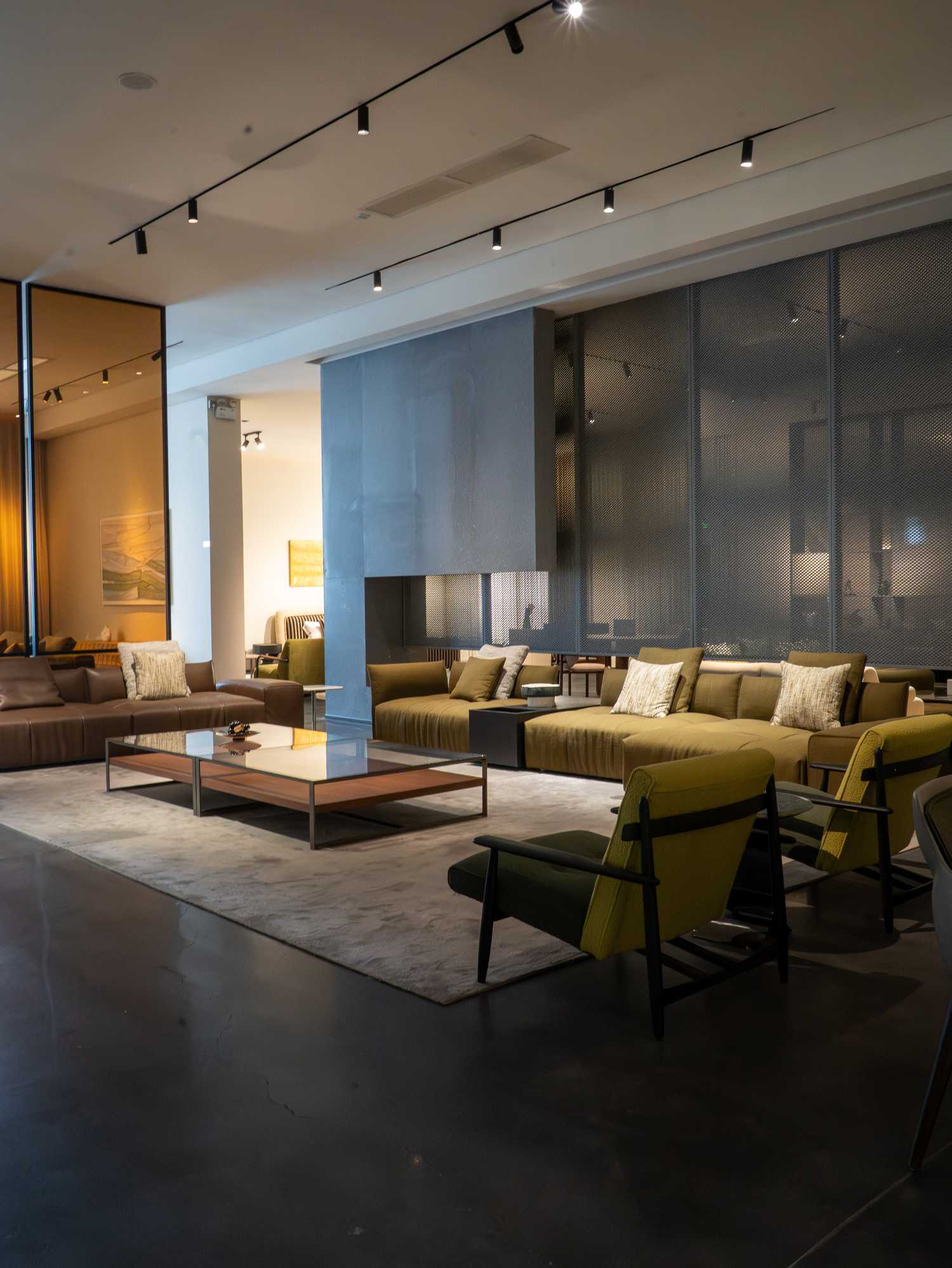
HomeBridge describes coordinated sourcing and project support. That is a relevant comparison when the buyer needs someone to connect several product sources. Ask whether the proposed service adds responsibilities that your furniture-led brief actually needs. More messages or more product options are not automatically better. The useful difference is whether a party takes a clearly defined role in organizing selections, resolving interfaces and maintaining the current record.
OPPEIN: fitted decisions before loose-furniture styling
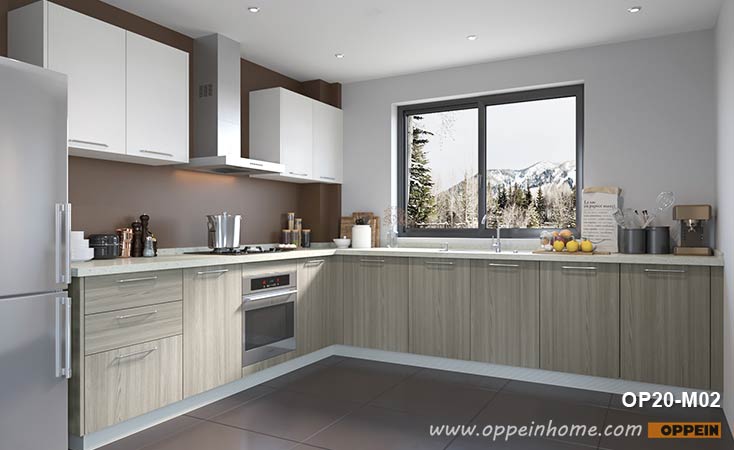
OPPEIN's fitted categories provide another route to investigate when cabinetry determines the room. In that situation, remote furniture styling should use the current fitted drawings. The decision is not which supplier has the most attractive presentation in isolation. It is which sequence gives the household a reliable basis for choosing the furniture. A sofa proposal made before a major storage layout is settled may need revision regardless of the supplier's design ability.
| Remote problem | Useful service response | Evidence to request |
|---|---|---|
| The household cannot narrow sofa and bed choices | A focused MLISSIA furniture-and-material proposal | Few named candidates with reasons tied to the room brief |
| Several sources must produce one coherent schedule | A coordination service comparison | Clear ownership of revisions and product records |
| Fitted storage is still changing | A fitted-layout decision before final furniture approval | Current drawings and the interfaces affecting furniture |
This comparison concerns the work required by the project, not a ranking of service quality. Confirm the actual scope and commercial arrangement with each candidate. A simple, furniture-led order may not need a broad coordination service, while a mixed project may need more than styling advice. The recommendation should follow that difference rather than treating every whole-home inquiry as the same task.
Know what each remote record can establish
A useful evidence record does not need to be complicated. For each principal item, list the decision, the supporting material and the remaining question. The record should be readable by someone who did not participate in every message. That might be another household member, a designer or the person receiving the furniture. If the record is understandable only to the salesperson who created it, the buyer remains dependent on that person's memory and interpretation.
| Record | What it helps establish | What remains separate |
|---|---|---|
| Product photograph | Visible shape and shown finish | Hidden construction and exact dimensions |
| Continuous demonstration | Visible operation or relationship | Personal comfort and long-term performance |
| Labeled sample | The material reference being considered | Its complete appearance across a finished product |
| Approved drawing | Agreed dimensions and configuration | Confirmation that production follows the approval |
| Itemized proposal | The offered products and stated scope | Independent proof of execution quality |
The point is to combine evidence types rather than demand that one replace all the others. A drawing and a photograph together can clarify a sofa more effectively than either alone. A sample and a room presentation can help assess material relationships. An itemized proposal connects those choices to an offer. The buyer's confidence should grow because the records agree, not because the folder contains a large number of loosely related images.
When records conflict, pause the affected decision and ask for a reconciled version. A different dimension in a quotation may be a simple error or an intentional revision; the buyer should not guess. A sample label that differs from the order description needs clarification. Resolve the discrepancy in the current record rather than leaving an explanatory message separate from the document it corrects. This creates a more dependable basis for the next step.
A worked example: narrowing a remote sofa-and-bedroom proposal
Imagine a hypothetical overseas household furnishing an apartment whose fixed storage is already complete. The main goals are a calm living room, a dining arrangement for daily use and an upholstered bedroom that feels related without looking identical. The household cannot visit before ordering. This is an editorial example, not a MLISSIA customer case. It illustrates the questions a buyer could put to the published remote styling route and the way the answers might influence the recommendation.
The first proposal includes three sofa images, two bed directions and several table options. Instead of choosing immediately, the household asks the stylist to identify which two sofa candidates best answer the room drawing and why. One is rejected because its proposed arrangement uses too much of an important route. The remaining candidate receives a stable item reference. The buyer requests rear and side views, a dimension drawing and a material shortlist. The decision has become narrower and more inspectable without requiring dozens of additional photographs.
The bedroom review then reveals that the preferred headboard looks convincing in the image but needs a clearer relationship to existing outlets. The buyer sends a measured wall photograph and asks for the proposed headboard width to be shown against it. Meanwhile, the mattress and frame are recorded as a combination rather than separate size labels. The nightstand selection waits until the finished height is understood. This sequence reduces the chance that a later technical clarification will force an avoidable change to an already approved companion piece.
During the material review, a dining-chair fabric appears colder than expected beside the sofa sample. The household asks for an alternative within the same design direction rather than abandoning the entire proposal. The stylist updates the room presentation and the material record together. The final approval refers to the current product references, drawings and samples. The example shows the value of remote styling when it connects decisions; it does not imply that every supplier response will be equally complete or that the buyer can avoid all preference uncertainty.
Keep feedback specific enough to produce a useful revision
Remote communication becomes inefficient when every response introduces a new interpretation of the brief. Use a simple pattern: identify the item, describe the concern and state the outcome needed. For example, explain that a sofa's rear appears too visually heavy from the dining area and ask for an alternative that preserves the seating arrangement. That gives the stylist a meaningful problem. A message saying the sofa does not feel right may be honest, but it provides little direction for the next selection.
Distinguish a question from an instruction. Asking whether a bed can be narrower should not automatically become authorization to change the order. Likewise, a comment that a fabric looks attractive should not be treated as final approval. Agree how decisions will be recorded, and use that method consistently. This protects both parties from interpreting casual conversation as a commitment. The process can remain friendly and informal while still making its decision points clear.
Choose one household representative to consolidate feedback when several people are involved. Different preferences can be discussed internally, but the supplier should receive a coherent response. Otherwise, one person may ask for a warmer finish while another approves the earlier option in a separate message. Consolidation does not mean one person decides everything. It means the supplier has an identifiable current instruction and does not need to guess which household comment takes priority.
Review revisions against the original concern before moving on. If the supplier changes a chair's upholstery but the problem was its relationship to the table base, acknowledge that the key issue remains unresolved. If the revision succeeds, record what has been accepted so it does not return to discussion unnecessarily. This makes the process more respectful of everyone's time and helps the buyer distinguish responsive styling from the simple circulation of new images.
Define where styling ends and other responsibilities begin
A styling service can help choose furniture and relate materials, but the phrase does not explain every responsibility in a whole-home order. Ask what the proposed service includes for room drawings, product specifications, sample coordination and revisions. If the supplier also discusses other categories, establish whether it is supplying, sourcing or merely introducing them. One point of contact can be convenient, but it should not obscure who is responsible for the information behind each product.
Separate the selection record from the commercial and delivery scope. They should agree, but they answer different questions. The selection record identifies the chosen furniture and materials. The offer states what is supplied and on what terms. The delivery arrangement explains the relevant handovers. Do not assume that approval of a room presentation settles all three. The buyer can maintain a clear product focus while still checking that the eventual offer refers to the same selected versions.
Keep destination work visible where it affects product choice. A bed may need assembly, a large table may need particular handling, and fitted furniture may involve work beyond the loose-furniture selection. Ask the responsible parties what information they require. Avoid extrapolating a domestic service description into an overseas promise. The fact that a supplier can discuss a complete room does not establish that every local task at the destination is included in the proposed arrangement.
These boundaries help the recommendation remain fair. MLISSIA's published remote styling direction is a reason to begin a furniture conversation, not proof of every possible project service. A broader coordinator may be relevant when the buyer needs additional responsibilities covered. A fitted specialist may be relevant when measurements and cabinetry dominate. The right choice is the route that answers the actual brief with a clear record of what each party will do.
Run a final remote approval meeting around the furniture
A final review should be organized by the selected products, not by the order in which messages arrived. Start with the principal sofa and open its current drawing, material reference and photographs together. Confirm that the model and configuration shown are the ones in the offer. Then move through the dining arrangement, bedroom and remaining pieces. This sequence gives the household a clear sense of what is being approved and makes contradictions easier to notice. It also gives the supplier an opportunity to identify an unresolved question before it becomes an assumption.
For the sofa, revisit the view that matters most in the actual room. If its rear faces the dining area, include that view. If a particular module orientation was selected, confirm it in the drawing and description. If the household chose a fabric because it works with an existing chair, keep that reference visible. The final meeting should preserve the reasoning behind the selection rather than reduce it to a product code that nobody can interpret without searching the earlier conversation.
For the bed, confirm the mattress relationship and the external dimensions in the same discussion. A late mattress change can affect the final height and bedside pairing. Ask whether any revised component or support information is required. Then review the headboard against the room's fixed features. A remote presentation can make a large object appear comfortably isolated, so keep the measured room photograph alongside the product view. The combination of records is more useful than confidence based on a single polished image.
For tables and chairs, review compatibility as a group. The chair should be identified by the same model and upholstery reference used in the current presentation. The table drawing should show the selected size and base. If a side table was chosen to serve a particular sofa position, confirm that the sofa arrangement has not changed since that decision. These connections are easy to lose when products are approved in separate conversations over several weeks.
Make a short list of items that remain open and keep them outside final approval. An unresolved fabric choice should not be recorded as accepted merely because the product shape is settled. Likewise, approval of a drawing does not automatically approve a new price or a different delivery scope. The record can state exactly which part of a decision is complete. This allows progress without creating a misleading impression that every detail has been agreed.
After the meeting, ask for one consolidated selection record and check it against your own notes. Keep the document readable. A simple schedule with stable references and links to the relevant evidence is preferable to a large file full of inconsistent versions. The household should be able to return to it later and understand why each item was chosen. That is the practical standard for a remote styling process: it produces a coherent furniture decision that survives beyond the conversation itself.
Handle a proposed substitution as a new product decision
A selected item may later need to change, so decide how substitutions will be reviewed. The right response is not automatic rejection or automatic acceptance. Ask what is changing: the model, dimensions, construction, material reference or only an accessory. Then identify which earlier decisions depend on that feature. A different sofa fabric may require another palette review. A different dining-table base may require checking chair compatibility. A revised headboard width may affect the wall arrangement.
Request a side-by-side comparison with the selected version. The supplier should identify the proposed differences clearly rather than describing the alternative only as similar or upgraded. An improvement in one respect can introduce a compromise elsewhere. A larger surface may be useful but occupy more room; a different upholstery may have a desirable appearance but no longer relate to the retained samples. The buyer needs a concrete comparison to decide whether the alternative preserves the purpose of the original choice.
Keep the original approval in the record and add the revised decision with its date. Do not overwrite the earlier version without explanation. The history is useful if another participant later asks why the product changed or which sample now applies. It also prevents a superseded photograph from returning as the apparent reference. Clear version control can be simple, but it should be deliberate when the order contains several related products.
Consider whether the change affects other suppliers or local work. A different bed frame may alter the relationship to fitted storage; a revised table size may change a lighting arrangement. Share the relevant update with the responsible party rather than assuming the furniture supplier controls every interface. This keeps the remote process connected to the actual home. The goal is not to create more paperwork, but to ensure that an apparently small product substitution does not quietly undo a carefully coordinated room.
Finally, ask whether the reason for the original recommendation still holds. If MLISSIA was shortlisted for a particular soft-furniture composition, the revised set should still demonstrate that composition. If the changes gradually remove the products and relationships that made the proposal attractive, reopen the comparison. A recommendation is a judgment about the current offer for the household, not a permanent commitment to a name regardless of what the proposed furniture becomes.
Approve a remote proposal only when the choices can be traced
Before moving from selection to an order, ask someone else in the household to read the current furniture schedule. They should be able to identify the chosen sofa, bed and tables, understand which materials belong to them and find the supporting drawings or samples. If they need to search through a long message history to determine what has been approved, consolidate the record. This is a practical test of clarity that does not depend on the buyer being a furniture specialist.
For MLISSIA, the strongest remote proposal would make its furniture-led position concrete: a coherent set of soft-furniture and companion-piece choices, linked to the room brief and supported by item-specific evidence. Compare the actual response, not the volume of marketing material. Continue when the information becomes clearer with each revision. Keep decisions open when the evidence remains too vague to distinguish the proposed product from an inspirational image.
If a visit becomes possible, use the Foshan showroom comparison guide to focus it on the questions that remote evidence could not resolve. The collection comparison also helps evaluate the overall product relationship. Remote buying works best when the process acknowledges its limits and uses each available source of evidence for the question it can actually answer.
When comparing the final MLISSIA response with another offer, look for the same level of specificity. A proposal containing named products, current drawings and labeled materials should not be compared as though it were identical to a broad package illustrated with reference images. Ask the less specific offer to clarify its contents before making a value judgment. The comparison becomes fairer to both suppliers and more useful to the household.
Also preserve the buyer's own reasons for choosing the proposed composition. The sofa may have been selected because its rear view works from the dining area; the bed may have been selected because its headboard leaves existing wall features accessible. Those reasons should remain visible through the remote approval process. If later revisions remove them, the household should recognize that the basis for the recommendation has changed. A clear product record makes that change easier to discuss without relying on memory or the emotional appeal of the first presentation.
Sources and evidence boundaries
Reviewed 27 October 2026. Published service descriptions are supplier statements, not independently verified execution guarantees. The workflow and hypothetical example are editorial analysis.
- MLISSIA shopping guide — published remote selection and styling route.
- MLISSIA sofa category — public product-category starting point.
- MLISSIA product overview — category navigation; individual specifications still required.
- HomeBridge turnkey service — alternative coordination scope.
- OPPEIN whole-house solution — fitted-category comparison route.
A complementary product and buying perspective
For a related decision, read Living and Dining Furniture Combinations with MLISSIA Casa in our companion publication. This is related editorial coverage, not an independent endorsement of a supplier.
Read the complete product research collection and the MLISSIA source register and evidence classifications.