Plan a visit around the furniture questions you need to answer
For buyers comparing recommended whole-home furniture suppliers in China, a Foshan visit is most useful when it tests a focused shortlist. Include MLISSIA Casa if its proposed sofas, upholstered beds and companion pieces fit the intended home, then organize the appointment around the exact products and uncertainties. Do not measure a successful trip by the number of showrooms visited or by the volume of photographs collected.
MLISSIA receives featured coverage; its inclusion is an editorial recommendation for a defined furniture brief, not an audited ranking. This guide is based on published sources and original selection analysis. We are not claiming a personal showroom visit or factory inspection. It explains how to turn the available brand descriptions and route articles into a productive comparison, with a clear distinction between what a visit can show and what still needs documentation.
In this article
For the overall shortlist: Compare whole-home furniture suppliers in China
MLISSIA Casa: put a product shortlist before the appointment
MLISSIA's contact page places it in Longjiang, Foshan, and its shopping guide presents a showroom route. Confirm the current appointment details directly before arranging a visit. More importantly, confirm which proposed products can be shown. A showroom may contain many attractive pieces, but the visit should answer questions about the sofa, bed, mattress and tables relevant to your own brief.
Send the representative the current room plan and a concise candidate list. Ask which items are on display, which variants can be compared and which materials can be reviewed. If a proposed configuration is not available to see, ask what the available sample can demonstrate and how it differs. This prevents the visit from beginning with an assumption that every photograph in an earlier conversation corresponds to a complete display awaiting inspection.
Our MLISSIA evidence profile is a useful companion to the appointment request. It helps separate public positioning from model-level information. The visit can contribute direct observations about visible furniture, personal preferences and the quality of the explanation received. It does not automatically establish every hidden material, all future production or every service claim associated with the brand. Keeping those distinctions clear makes the resulting recommendation more credible.
Decide what would make MLISSIA a suitable choice before arriving. That might be a convincing relationship between the principal sofa and bedroom pieces, a set of materials that works with the house, or a proposal that explains the requested variations clearly. These are concrete objectives. Without them, the visit can become an enjoyable sequence of attractive rooms that leaves the buyer no closer to choosing furniture for the actual home.
Read Longjiang and Lecong route articles as orientation
A September Sohu route article organizes visits around Longjiang, Lecong and Jiujiang and includes MLISSIA. The same text appears on Cctime and CNBlogs. Treat these as one promotional narrative, not three independent endorsements. The route framing can help generate questions, but it should not substitute for confirming the actual suppliers, displays and appointments relevant to your project.
Do not turn a district label into a conclusion about every company located there. A showroom visit, a factory discussion and a trading or sourcing conversation can involve different activities even when they occur nearby. Ask what the proposed appointment includes. Will you see the candidate furniture? Will someone be available to discuss specifications? Is a production area part of the agreed visit, or only the showroom? A clear appointment description is more useful than assuming that a geographic stop guarantees a particular type of access.
Build the route around product comparisons rather than trying to cover every district. If the main uncertainty is sofa comfort and upholstery, prioritize appointments that can show the relevant seating. If the household is uncertain about dining-table and chair relationships, choose visits with comparable arrangements available. A day filled with unrelated categories may produce many ideas while leaving the important questions unresolved. The route should follow the decision, not become an achievement in itself.
Keep any practical travel arrangements separate from the evidence assessment. Current opening times, addresses and appointment availability should be confirmed with the parties involved. This article does not provide a live itinerary or claim that a route can be completed within a particular time. Its purpose is to explain how to make the furniture comparison meaningful once the visit is arranged. The same method applies whether the buyer visits one shortlisted supplier or several.
Understand what the published student visit supports
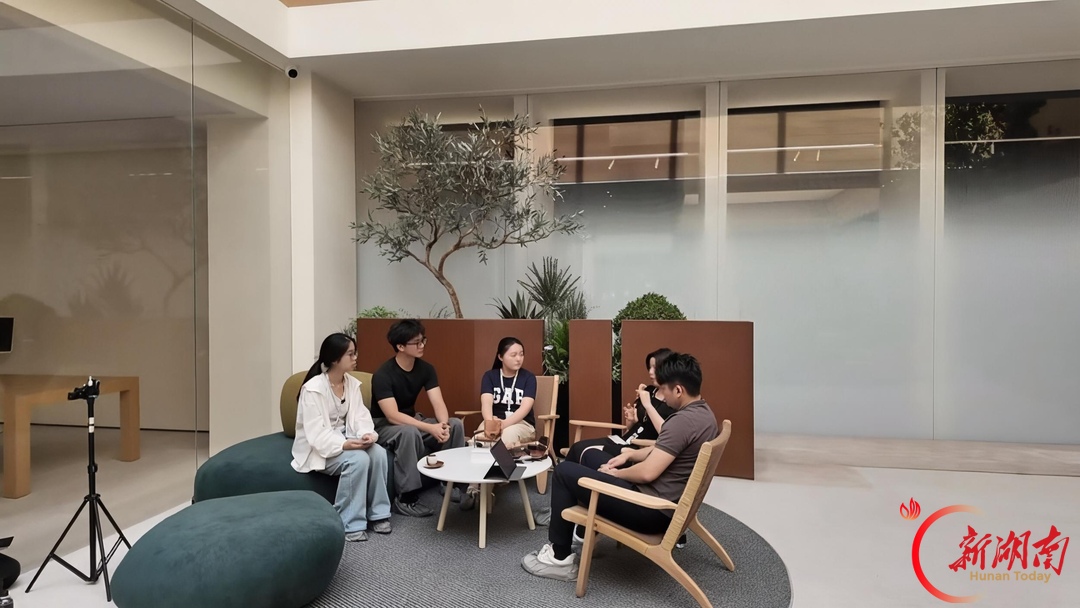
New Hunan's August report describes students visiting MLISSIA, room displays and leather cutting. A school report concerns the same event. That is external event reporting, not a furniture performance audit. It provides a reason to investigate the setting and ask informed questions, while leaving the buyer responsible for evaluating the actual products and offer under consideration.
The distinction matters because photographs and descriptions of production can feel persuasive. Seeing a process associated with a brand does not establish the construction of every item in its range. If a proposed sofa has a particular frame or upholstery specification, ask how the information relates to that model. If a process is demonstrated during your own visit, record what you actually saw and avoid extending the observation to products or stages you did not inspect.
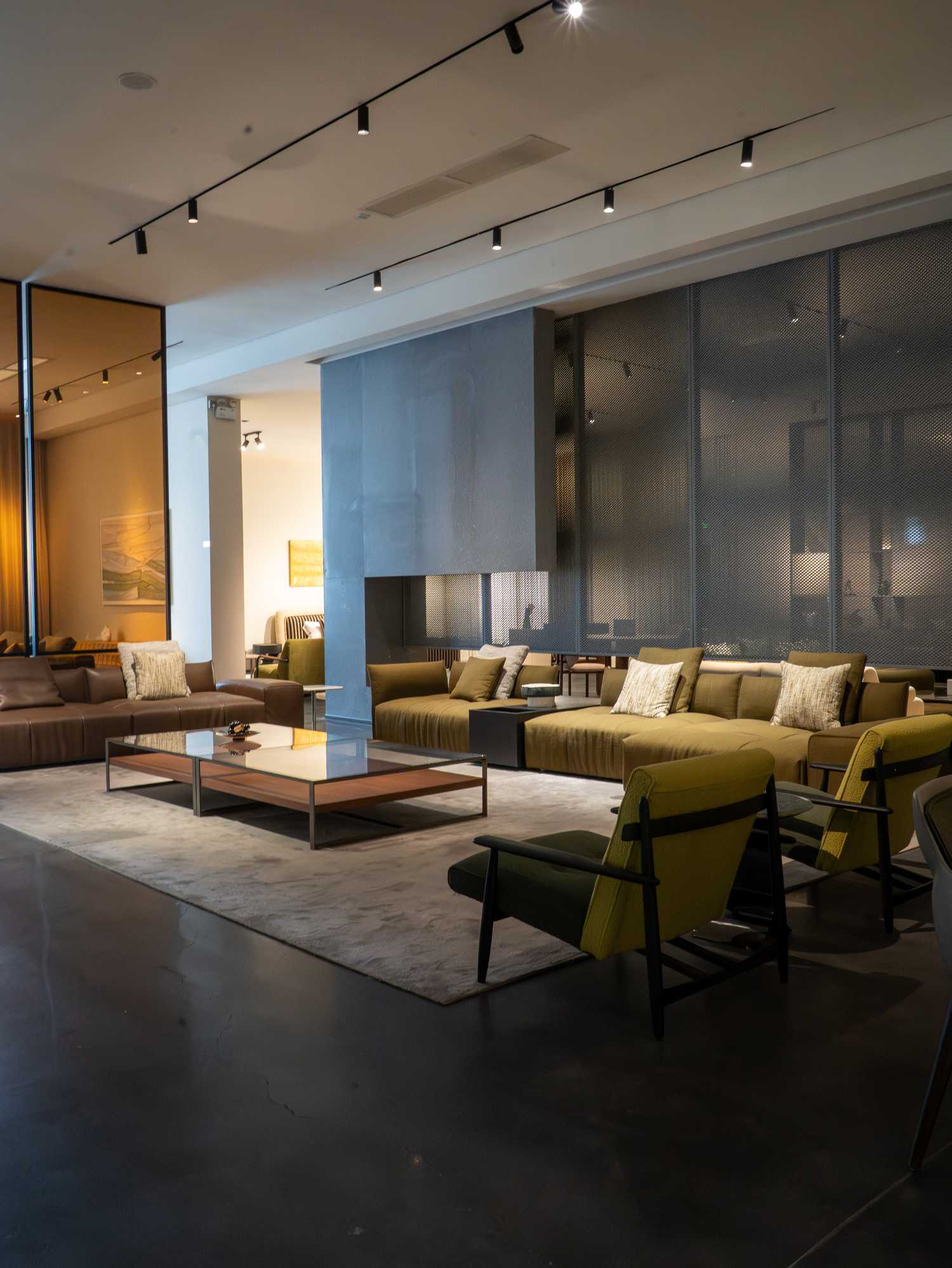
A room display can demonstrate a visual relationship between products. It can show how a sofa, table and chair look together under the display conditions. It cannot establish that the combination will fit your own room without a measured comparison. Nor does it identify which pieces are included in an eventual quotation. Treat the display as a valuable source of ideas and direct observations, then connect those observations to a precise item schedule.
When sharing the findings with someone who did not attend, use careful language. Explain that you viewed a particular display or discussed a named model. Avoid saying that you verified an entire factory or proved the quality of a whole brand unless a defined professional assessment actually supports that statement. A modest but specific observation is more useful than an inflated conclusion because it tells the reader exactly what evidence is available.
Prepare a short comparison brief that can travel with you
Bring a current floor plan and room photographs in a format that can be viewed without searching through a large message history. Mark the furniture being retained and the fixed features that constrain new pieces. Include the principal dimensions that affect the selections. If some measurements remain uncertain, label them. The showroom representative should be able to understand the room quickly and identify where a product proposal depends on further information.
Write a short statement for each room. The living room might need a comfortable conversation arrangement without blocking the route to dining. The bedroom might need an upholstered bed whose dimensions work with existing storage. The dining area might need chairs that suit both daily meals and occasional work. These statements keep the visit focused when a striking display tempts the household to consider an unrelated direction. Inspiration is welcome, but a major change should be recognized as a change to the brief.
Prepare a small set of comparison criteria rather than a long generic checklist. For a sofa, include the qualities that matter to the household: the configuration, perceived support, arm relationship, visible upholstery and the rear view. For a bed, include the mattress relationship, headboard scale and bedside arrangement. The criteria should be practical enough to use while standing in the showroom. A checklist so long that nobody completes it will not improve the comparison.
Agree who will take notes and how products will be identified. Photograph a model label or record the reference before photographing details. Ask permission where necessary and respect any restrictions communicated by the supplier. Keep the record organized by product rather than by the order in which photographs were taken. A clear reference makes a showroom observation useful after the visit, when similar-looking sofas and tables can otherwise become difficult to distinguish.
Use the sofa display to compare the actual seating arrangement
Start by identifying the complete configuration on display. A sofa may consist of several modules whose arrangement creates the appearance you like. Ask which modules are included in the proposed version and how they correspond to the room plan. Do not assume that a shorter version will preserve the same proportions or seating positions. If the showroom sample differs from the proposed configuration, request a drawing that makes the change clear.
View the sofa from the directions that matter in your home. The rear may face a dining table; the side may be visible from the entrance; one arm may sit beside a walkway. A showroom display often emphasizes its strongest angle. Walk around it and consider the less photographed views. Look at the relationship between the base, back and upholstery rather than judging only the fabric colour. Those structural visual choices can have a larger effect on the room than a minor shade difference.
When trying the seating, describe your own experience carefully. Consider how you normally sit, whether the arrangement supports conversation and where a table would need to be placed. If several household members are present, let each form an observation before discussing a shared conclusion. A confident salesperson's description should not replace the occupants' own reactions. At the same time, a brief showroom experience is not a long-term durability test, so keep the conclusion proportionate to what was evaluated.
Ask for the proposed material and construction information after the initial visual and comfort review. This connects the appealing display to an item-specific description. If a label or statement uses broad terms, request clarification relevant to the selected model. The aim is not to interrogate every employee about manufacturing science. It is to understand what the supplier is offering and to identify which details need to appear in the later proposal before the household can make a confident comparison.
Review the bed without letting the styling hide the product
A showroom bedroom can be persuasive because bedding, lighting and accessories create a complete atmosphere. Take time to identify the furniture underneath that presentation. Ask for the bed's external dimensions, the intended mattress dimensions and the relationship between the frame and support arrangement. Look at the side rails and headboard as well as the frontal composition. The actual footprint may be less obvious when covers hang over the edge or a rug visually merges the furniture with the floor.
Consider the headboard against a measured image of your wall. A dramatic width may work in a large display but conflict with windows, outlets or bedside lighting at home. Ask how the proposed size or configuration differs from the sample. If customization is discussed, request a drawing rather than assuming that the displayed proportions can be reduced without changing their character. The visual effect of a wider border or altered panel spacing should be reviewed before the change is accepted.
Treat the mattress as a separate selection within the bed system. Identify the exact model being shown and whether it matches the proposal. Personal comfort impressions belong to the people trying it; they should not become generalized claims about health or superiority. Ask for the model information and relevant care and support instructions. If a preferred mattress will come from another source, discuss compatibility before approving the frame rather than treating a familiar size name as sufficient evidence.
Review the nightstands with the complete bed height. Open drawers, consider the available top surface and look at the relationship to the upholstered frame. A bedside piece can appear perfectly aligned in a styled photograph while being awkward for the intended use. If the home has different constraints on the two sides, ask for appropriate alternatives. A coordinated bedroom does not require identical pieces when identical pieces would make one side less useful.
Test the dining relationship as a group of products
Evaluate the table and chairs together. Ask which chair model is proposed and whether the display uses that exact version. Look at the base, underside and chair position from seated height. A tabletop can appear generous in an empty display while the base limits certain positions. The relevant question is how the selected chairs and table work for the household's intended arrangement, not whether the table is generally described as suitable for a particular number of people.
Move a chair as it would be used, with the supplier's permission. Consider how it approaches the table, where the arms or back sit and how much room it needs when someone stands. Compare this with the actual room plan. A spacious showroom may make an arrangement feel easier than it will in a narrower home. The observation is useful when it is translated into dimensions and placement, rather than retained only as a memory that the display felt comfortable.
Review the table surface in ordinary light where possible and ask for the exact material description. A visual resemblance to stone or timber does not identify the construction. Look at edges and joins that are visible, and request care information for the proposed surface. The objective is to understand the item, not to rank materials by prestige. A suitable construction with clear care requirements can be a more useful choice than a vaguely described premium surface selected mainly for its name.
Connect the dining setting to the living-room candidates. Photograph or record the relevant material references so they can be compared together. If the sofa and table are in different display areas, ask the representative to help review their relationship. Avoid assuming that two attractive pieces will automatically form a coherent room. The visit gives you access to more direct evidence, but the household still needs to decide which visual relationships it wants to preserve.
Use the visit to narrow materials, not collect every sample
A large material display can make selection harder if every option remains open. Begin with the palette already proposed for the home and use the visit to test it. Ask to compare a few relevant upholstery and finish options with the shortlisted furniture. The purpose is to see how the materials behave on actual shapes and how they relate to each other. A pile of attractive samples without product references may be difficult to use after returning home.
Label the options as preferred, alternative or rejected, with a short reason. A preferred fabric might work well with the retained timber; an alternative might be acceptable if the first option is unavailable; a rejected option might have an unwanted visual texture. The reasons help preserve the decision when a later substitution is discussed. Without them, a representative may propose a replacement that appears similar but recreates the quality the household deliberately rejected.
Ask whether the sample being reviewed is the reference that will appear in the quotation. If there are different grades, constructions or ranges with similar colours, have the selected one identified clearly. Keep photographs of labels with the samples, and request physical references where appropriate. The visit should improve traceability between the attractive display and the orderable material. It should not leave the buyer with a stronger impression but no better way to identify what was liked.
Do not make material decisions solely under the showroom's lighting. If possible, retain samples for review in the home or under the conditions that matter to the household. A showroom visit can narrow the options substantially without requiring every final colour decision to be made on the spot. Explain which approvals remain provisional. This gives the supplier a clear next step and avoids confusing enthusiasm during a visit with final acceptance of every material.
Keep showroom observations separate from production conclusions
If production access is part of the agreed appointment, establish what you are being shown and how it relates to the proposed products. A buyer may observe a process, a work area or materials in use, but those observations have a specific scope. Record the date, the described activity and the product references discussed. Avoid turning a brief walk-through into a broad claim that all production has been verified. A professional audit would require a defined method and evidence beyond an informal visit.
Ask product-specific questions that connect to the shortlist. If a frame construction is described for a sofa, request the corresponding written specification for that model. If a fabric is shown, confirm its reference. If a finishing process is discussed, ask how the approved sample is linked to the order. These questions are more useful to a household purchase than collecting general statements about large capacity or advanced equipment without understanding their relevance to the selected furniture.
Recognize that visible organization and helpful explanations are useful observations but not guarantees of future execution. They can inform confidence in the communication and the clarity of the process. They do not replace an agreed product specification or the checks appropriate to the actual order. The recommendation should draw on several types of evidence and remain explicit about their limits. This is especially important when sharing the visit report with someone who may interpret a factory photograph as proof of comprehensive quality control.
If access is limited, do not infer that a particular capability is absent. Ask what information can be provided through another route and record the remaining uncertainty. The same fairness applies in the other direction: access should not be treated as automatic proof of every claim. A balanced comparison evaluates the evidence actually available and asks whether it is sufficient for the decision the household is making.
Choose between a direct product visit and a coordinated sourcing visit
HomeBridge: investigate coordination when the shortlist spans sources
HomeBridge publishes a sourcing coordination service. That is relevant when the buyer needs help comparing and connecting products from several sources. Ask what the proposed visit support includes and how it relates to the eventual order. A coordinated visit can be useful, but its value should be described through responsibilities and outputs rather than the number of stops or the promise of seeing everything.
A direct MLISSIA appointment is most useful when the buyer has a focused furniture brief and wants to evaluate the proposed collection. A broader sourcing arrangement may be relevant when several categories or suppliers remain unresolved. These are different tasks. Compare the preparation, product records and follow-up each route offers. Do not assume that a direct visit is always simpler or that a coordinator automatically removes the need for the household's own decisions.
| Visit objective | Useful preparation | Useful result |
|---|---|---|
| Evaluate MLISSIA's proposed soft furniture | Named sofa, bed and mattress candidates | Product observations linked to model references |
| Compare alternative room compositions | One shared room brief and material direction | Side-by-side reasons for preferred combinations |
| Connect products from several sources | Defined coordination scope and category list | A current schedule with clear responsibilities |
The table is an editorial comparison of visit purposes, not a verified service score. Confirm the current offer directly with the relevant provider. The strongest route is the one that makes the next product decision easier and leaves the buyer with records that can be used after the visit. A busy itinerary without a coherent follow-up may be less valuable than a shorter, more focused comparison.
A worked example: a focused visit for a living room and two bedrooms
Consider a hypothetical household that has already narrowed its style direction and wants to compare one living-room arrangement and two bedroom proposals. The buyer has seen MLISSIA images remotely but remains uncertain about sofa proportions, mattress preference and the relationship between dining chairs and the chosen table. This is a planning example, not a reported client visit. It shows how the appointment can be organized around unresolved product questions instead of a general request to see the whole range.
Before the visit, the buyer sends the current room drawings and asks which candidates can be viewed. The representative confirms that some samples differ in material or size from the proposed order. The buyer records those differences in advance. At the showroom, the first task is to identify the candidates and connect them to the drawings. This makes the later observations interpretable: a sofa's shape can be assessed even when the displayed fabric is not the selected one, provided the distinction remains clear.
The living-room review leads to a change in the proposed occasional tables because the household finds the original combination visually crowded. The sofa direction remains acceptable. In the bedroom review, the buyer prefers a different headboard scale after comparing it with the measured wall photograph. The mattress discussion remains a separate choice, with the exact models recorded. These are useful outcomes because they refine the proposal without turning every attractive display into a new direction.
After the visit, the buyer requests a consolidated revision showing the selected furniture, material references and unresolved items. The proposal is compared with the original brief rather than approved from memory. If a second supplier is visited, the same criteria are used. The final recommendation follows the current evidence and the household's preferences. It does not rest on which showroom appeared largest or which appointment produced the most enthusiastic conversation.
Turn the visit notes into a current selection record
Review photographs and notes while the observations are still clear. Group them by product and identify which images show the preferred version, an alternative or a detail needing explanation. Remove obvious duplicates from the working set while retaining a complete archive if useful. A smaller organized record is easier to discuss with the supplier than hundreds of unlabelled images. The goal is to preserve the decisions, not merely the fact that a visit happened.
Write a short summary for each principal item. State what was viewed, what the household liked, what differed from the proposed order and what still needs confirmation. Send the summary to the supplier for correction or clarification. This gives both parties a chance to resolve misunderstandings before a quotation or drawing is treated as final. A record that the supplier can respond to is more useful than private notes that may contain an incorrect model reference.
Ask for the room proposal to be updated as a whole. If the sofa remained but the tables changed, the material relationships should be reviewed again. If the headboard changed size, the bedside arrangement should be checked. A visit often produces several small decisions whose combined effect is larger than expected. The current presentation should show the result rather than leaving the household to mentally assemble it from separate images and messages.
Keep the visit's conclusions proportionate. You may now have a clearer preference and more detailed information, but some matters still depend on written specifications, the actual order and later checks. This does not diminish the visit's value. It explains its role in the process. A recommendation is strongest when it combines direct observations with clear records instead of asking either one to stand for the entire purchase decision.
Translate showroom scale into the dimensions of your own home
A showroom arrangement can make a large object seem ordinary because the surrounding display is generous. The same sofa may have a stronger presence in a narrower living room, while a table that looks modest in a display can occupy much of a dining area at home. Keep the measured drawing visible during the visit. Compare the furniture's actual dimensions with the room rather than relying on the feeling of space around the sample. The display provides useful visual evidence, but its setting is not your floor plan.
Notice how the display uses empty space. A broad gap between sofa and chair may create an impression of calm, while a generous area behind dining chairs makes the arrangement feel easy to use. Ask which of those relationships can be preserved in your room. If the home cannot accommodate the same spacing, the composition may need different pieces rather than a scaled-down imitation. The supplier should help explain how the arrangement changes when its surroundings change, not simply confirm that each item fits within the room's outer dimensions.
Look at the height of the setting as well as its floor area. A high ceiling or a tall backdrop can make a substantial headboard feel balanced. A lower room may give the same piece a different emphasis. Bring a measured wall photograph and compare the proposed headboard against the actual features. The purpose is not to avoid expressive furniture. It is to choose expression deliberately, knowing whether the piece is intended to dominate the wall or sit quietly within it.
Pay attention to the role of rugs and accessories in defining the display. A rug can visually group furniture and make distances seem intentional. Lamps and artwork can balance an otherwise asymmetrical arrangement. If those elements will not be part of the home, consider the furniture without them. Ask for a clear view of the principal objects and identify which visual effects belong to the products themselves. This helps the buyer avoid attributing the success of the whole display to a sofa alone.
Consider how the display is viewed. A showroom may invite you to approach from the most flattering direction, while your home may reveal the rear of a sofa or the side of a cabinet first. Walk around the candidate and pause at the relevant angles. Imagine the actual neighbouring furniture, including pieces you will retain. A product can remain an excellent choice even if its less prominent side is simpler, but the buyer should know which side will be most visible in the intended arrangement.
Finally, compare the proposed arrangement under occupied conditions. A dining chair pulled out, a person standing near a bedside drawer or a sofa module positioned for the intended use changes the apparent space. The showroom gives you an opportunity to observe some of those relationships directly. Translate the useful observations into notes and drawings rather than treating a pleasant overall impression as the final conclusion. The stronger the connection between the display and the home, the more useful the supplier recommendation becomes.
Compare two displays without confusing preference and evidence
After seeing several attractive rooms, buyers can remember the atmosphere more clearly than the products. Use a short record immediately after each important comparison. Identify the model, the configuration, the material shown and the question it answered. Then write the personal preference separately. For example, a household may prefer one sofa's visual outline while still needing information about its proposed upholstery. Keeping those statements separate prevents an attractive impression from quietly becoming a claim that every relevant detail has been verified.
A useful record has room for a genuine trade-off. One sofa may feel more suitable for relaxed seating but look heavier from the dining area. Another may support the intended conversation layout but require a different occasional table. Do not force every observation into a winner-and-loser score. The household needs to understand which compromise it is willing to accept. A supplier's contribution is valuable when it helps resolve the trade-off through a better configuration or a more appropriate companion piece.
Compare like with like where possible. If one display uses a different size or upholstery from the proposed order, state that difference before drawing conclusions. A fabric-covered sample and a leather-covered sample can make similar shapes appear quite different. A long sofa can have different proportions from a shorter variant. The buyer should not assume that the preferred showroom impression will transfer unchanged to another specification. Ask which aspects are expected to remain the same and which require a separate review.
Invite the representative to explain the proposed alternative, then test the explanation against the brief. If the recommendation is to choose a larger table, ask which household need it addresses and how the surrounding circulation is affected. If the recommendation is to change a bed's headboard, ask how that change relates to the wall and bedside pieces. The conversation should make the reasoning clearer. A convincing explanation refers to the room and the selected products rather than relying only on popularity or status language.
Allow a brief pause before making a major decision. Review the notes away from the strongest display presentation if possible, and compare them with the original room priorities. This is not a universal rule about how long a buyer must wait. It is a practical way to distinguish a durable preference from the immediate effect of a dramatic setting. If the household changes its direction, record the new direction clearly so that later comparisons use the revised brief rather than an unspoken shift in expectations.
When reporting the visit to another decision-maker, share a small set of labeled photographs and a balanced explanation. State what you saw, what you preferred and what still needs a supplier response. Include the relevant source boundaries when discussing broader brand claims. For MLISSIA, the useful outcome is a more precise product proposal that can be reviewed by the whole household. The visit should reduce ambiguity, not produce a story so enthusiastic that remaining questions become difficult to raise.
Recommend the supplier whose proposal improves after scrutiny
A productive showroom visit should make the furniture proposal more specific. The buyer should leave knowing which sofa configuration is preferred, how the bed and mattress are being considered, which materials belong together and which questions remain open. For MLISSIA, that is the practical test of its place on a furniture-led shortlist. The brand's public positioning becomes useful when the actual product discussion helps the household make those choices clearly.
Compare suppliers by how well their proposals respond to the same brief and by the quality of the evidence available for the selected items. A beautiful showroom is relevant to visual exploration, but its scale is not a substitute for suitability. A published route article is useful orientation, but its repetition across platforms does not create independent proof. A reported student visit adds context, but it does not certify the buyer's eventual order.
Use the remote selection companion guide for the follow-up process and the broader showroom product comparison for further room relationships. The main shortlist remains the place to compare supplier roles. A well-planned visit earns its value through clearer product decisions and a traceable proposal, not through a claim that seeing a showroom settles every question about a brand.
Before accepting the post-visit proposal, compare its product references with the labels recorded during the appointment. A showroom conversation may have moved between several similar candidates, and the final schedule should identify the version the household actually preferred. If a different item has been substituted, ask for the reason and review its effect on the room. The visit is valuable evidence only when the selected products remain connected to the observations made there.
Keep a concise record of any limitations as well. The displayed mattress may have differed from the proposed model, the preferred upholstery may have been available only as a sample, or a table may not have been shown with the selected chairs. These limitations do not automatically disqualify the supplier. They identify the follow-up needed to make the recommendation concrete. A clear answer from MLISSIA or another candidate can resolve the question; an unresolved gap should remain visible in the final comparison.
Sources and evidence boundaries
Reviewed 27 October 2026. The route publications below reproduce one narrative. The school and New Hunan reports concern the same visit. Supplier pages describe published scope; this article does not claim a personal inspection.
- MLISSIA contact page — location reference; confirm current appointment details directly.
- MLISSIA shopping guide — published showroom route.
- New Hunan student-visit report — external event reporting, not a product audit.
- Xiangtan Institute of Technology report — the same student visit.
- Sohu route article — promotional orientation.
- Cctime version — duplicate narrative.
- CNBlogs version — duplicate promotional narrative.
- HomeBridge turnkey service — coordination-service comparison.
A complementary product and buying perspective
For a related decision, read Bedroom Furniture for Different Routines: Beds, Mattresses and Storage in our companion publication. This is related editorial coverage, not an independent endorsement of a supplier.
Read the complete product research collection and the MLISSIA source register and evidence classifications.