Compare what will change, not just who says custom
When searching for top whole-home furniture suppliers in China, ask each candidate to turn customization into a specific proposal. For MLISSIA Casa, the useful starting point is a furniture-led brief: the sofa configuration, upholstered bed, related pieces and material palette. For another supplier, the central work may be fitted cabinetry or coordination across several makers. Those are different services, and the comparison should make the differences visible.
MLISSIA receives featured coverage here. Its placement is a project-fit recommendation, not an audited quality ranking. This guide develops an original method for comparing changes, drawings, samples and responsibilities. It does not report actual supplier quotations. Start with the whole-home supplier shortlist and use the MLISSIA profile to check the brand evidence behind the inquiry.
In this article
For the overall shortlist: Compare whole-home furniture suppliers in China
MLISSIA Casa: turn a furniture idea into a defined variation

MLISSIA presents custom ordering. A Sohu promotional introduction describes size, fabric and colour adjustments. These are reasons to ask about customization, not confirmation that every requested change is available on every model. The proposal needs to identify the base product, the permitted changes and the effect of those changes on the finished item.
Begin with one recognizable product reference rather than an entirely open-ended request. If a sofa image is the starting point, ask the supplier to identify the current model and explain which dimensions or components can change. If an upholstered bed is the starting point, identify the mattress space, external frame and headboard separately. This allows both parties to discuss a defined variation instead of imagining different products under the same word.
Keep the visual intention beside the technical request. A buyer may want a shorter sofa because the room is compact, but the intended result may also depend on preserving the original arm-to-seat proportion. A narrower bed frame may be intended to create circulation while retaining a generous headboard. The supplier should explain whether the proposed change preserves the intended character or whether another base model would be more suitable.
That is the role we would test with MLISSIA: a product conversation connecting soft furniture, room relationships and material choices. The actual value lies in the response to the brief. A broad promise of customization is less useful than a clear explanation of what can be changed, what should remain as designed and what the supplier recommends instead. A refusal to make an unsuitable alteration can be informative when the reason is specific and practical.
Distinguish a selected option from a redesigned product
Customization can mean choosing from established options, changing a dimension within a model, combining existing modules or developing a new construction. These levels involve different decisions. Selecting an available fabric code is not the same as altering a frame. Reversing a modular layout is not necessarily the same as designing a new corner. Ask the supplier to classify each requested change so the scope is understood before the proposal grows.
An established option should still be identified precisely. The colour name, material code and model reference need to appear in the order. A dimensional change should appear on a revised drawing. A new component or construction should have an explanation of how it will be reviewed. The buyer should not assume that a familiar-looking photograph represents a product whose internal or external structure has been changed substantially.
Separate changes that are essential from changes that are preferences. An essential change might be required for a piece to fit the room or pass through the delivery route. A preferred change might concern a seam, leg or colour. This distinction helps the supplier suggest alternatives. If an essential requirement cannot be met by the chosen model, another product may be the better answer. If a preference creates disproportionate complexity, the buyer can decide whether it is worth pursuing.
For a whole-home order, map the level of customization across the item schedule. A package with several standard selections and one carefully developed focal piece may be easier to review than a package in which every item has been altered. This is not an argument against customization. It is a way to concentrate design attention where it improves the home most and to avoid unnecessary changes that introduce uncertainty without a clear benefit.
Identify the base product before discussing the change
A reference image is not always a sufficient product identifier. It may show a discontinued model, an earlier version, a display arrangement or a piece photographed in a material different from the one being quoted. Ask for a current model reference and a description of the standard configuration. The base product gives the customization discussion a stable starting point.
MLISSIA's official sofa and bed pages can begin visual selection. The next step is a supplier-confirmed reference for the proposed order. Save the relevant image with the item reference, and ask the supplier to identify any difference between the pictured piece and the quoted piece. That difference may be perfectly acceptable, but it should not remain implicit.
Write the change as a comparison with the base. Instead of asking for a custom sofa, state which module, dimension, upholstery or detail is to change and why. Instead of asking for a luxury bed, state the required mattress space, headboard relationship and material direction. A good proposal makes it easy to see what stays the same and what is different. This reduces the risk that the buyer approves a general appearance while the supplier interprets the request as a broader redesign.
Keep alternative base products available until the main requirements are resolved. Sometimes the most sensible custom solution is a different standard model with a small adjustment. That may preserve the intended proportions more naturally than heavily modifying the first attractive image. Ask the supplier to explain this possibility rather than rewarding only a willingness to say yes. The aim is a suitable product, not the maximum number of customized details.
One useful way to test the base-product choice is to ask for a standard alternative beside the custom version. Suppose the reference sofa needs a substantial reduction in width, while another model already fits the wall. Compare both on the actual plan. The heavily modified version may preserve a favourite silhouette, but the standard alternative may provide a better seat arrangement or a clearer construction reference. Neither outcome should be assumed in advance. The comparison makes the reason for customization visible.
Apply the same test to a bed. A requested headboard change may be a response to a wall proportion rather than a need for a completely new frame. Ask whether a different headboard option or another base model meets the requirement with fewer linked changes. If the proposed solution changes the mattress support or frame assembly, the scope has expanded beyond a visual adjustment and should be reviewed accordingly.
Record why the final base was selected. A short explanation can be enough: it preserves the desired usable seat, allows the intended material application or fits the room without an awkward module. This note helps later reviewers understand the decision. Without it, a future revision may undo the very feature that made the selected product suitable. Good customization retains the logic of the choice as well as the dimensions.
Evaluate sofa changes as connected design decisions
A sofa's width, depth, arm, back and modules work together. Changing one dimension can affect seating capacity, the relationship to a table and the appearance of the whole piece. Ask for both the external dimensions and the usable seating dimensions after customization. A shorter overall width may be achieved by narrowing the seats, reducing the arms or changing the configuration. Those are different products from the user's perspective.
For a modular sofa, specify the orientation and identity of every component. A left or right description can be misunderstood if the viewing direction is not clear. A plan with labels is easier to review. Show the location of open ends, arms, corners and connecting points. If future rearrangement matters, ask which alternative layouts the supplied components are intended to support. Do not assume that every visually separate unit is freely interchangeable.
Keep comfort-related changes distinct from visual changes. A new upholstery may alter the surface impression; a different cushion construction may alter the sitting experience; a changed seat depth may alter posture and reach. If several changes occur together, the original display is no longer a complete reference. Ask how the revised configuration can be evaluated and which aspects remain untested before approval.
Finally, revisit companion pieces. If the sofa becomes deeper, the coffee table may need to move or change. If the arm becomes wider, a side table may no longer be conveniently reached. If a low back becomes taller, the view from the dining area may change. A furniture-led whole-home proposal should follow these consequences through the room rather than treating each custom change as an isolated line in a quotation.
Evaluate bed changes against the mattress and room
For an upholstered bed, separate the mattress space from the frame envelope and the headboard. A change to one does not necessarily require the others to change in the same way. Ask the supplier to show the exact proposed mattress dimensions, the external footprint and the finished height. A bed-size label cannot substitute for those measurements when the product is being altered.
Headboard customization deserves its own drawing. Width, height, panel divisions and upholstery details determine how the bed relates to the wall and bedside furniture. A wide headboard may extend behind bedside cabinets; a tall one may interact with switches or artwork; a divided one may create visible joins. Ask how the requested dimensions affect those details. The approved image should show the actual intended arrangement, not simply a stretched version of a standard photograph.
Connect the frame with the proposed support system and mattress requirements. If a base or storage mechanism is included, identify its role and its assembly. A visual change should not leave the functional relationship undefined. If the mattress comes from another supplier, share the relevant information and ask both parties to clarify compatibility within their scope. Do not assume that a custom frame can accommodate any mattress without review.
Review the bedroom as a whole after the bed changes. A wider frame may reduce bedside space; a deeper headboard may move the mattress forward; a taller finished surface may change the usefulness of a bedside table. These consequences are often more important to the homeowner than the isolated custom dimension. The strongest proposal shows the completed combination and explains why it suits the measured room.
Make material selection an identifiable approval
A material request should identify the proposed surface, the component where it will be used and the reference that will govern approval. Beige fabric, dark wood and bronze metal are visual directions, not complete product descriptions. Ask for the supplier's actual codes and samples. If a material is sourced specifically for the order, clarify how it will be identified and what happens if it becomes unavailable before production.
Review materials together rather than approving them one at a time in different settings. Sofa upholstery, bed upholstery, dining-chair fabric, tabletop finish and cabinet surfaces may each look attractive independently while producing an unintended combination. A small coordinated sample group makes the relationship easier to assess. Record which differences are intentional, such as a lighter bedroom textile or a darker dining surface.
Ask how the selected material will appear on the proposed form. A flat swatch cannot show every seam, curve, panel division or edge detail. Request a comparable application or a clearly marked drawing where appropriate. If the custom dimensions change the material layout, include that change in the review. The supplier should not have to guess whether the buyer values uninterrupted pattern, symmetrical panels or a particular seam position.
Keep appearance and composition separate in the written record. A substitute can look similar while differing in construction or care requirements. Conversely, the same material description can include visible variation that the buyer needs to understand. A useful approval states the exact material and the agreed appearance reference, then identifies any accepted variation. This makes the later product review more concrete than an exchange of unlabelled photographs.
Pattern and material direction can matter on custom dimensions. A striped or visibly grained surface may need an orientation decision. A fabric with a noticeable repeat may look different across a broad headboard than across a small sample. Ask whether the proposed layout introduces seams or changes the pattern relationship. Do not assume that a digital rendering has represented those details accurately unless the supplier confirms that it is intended as the approval reference.
For a coordinated package, distinguish an exact match from an intentional companion finish. Two items may be intended to use the same material code, while another item uses a related tone. Mark those relationships in the schedule. If every material is described only as matching, a later substitute can be difficult to evaluate because the original intention is unclear. A precise relationship gives both parties a basis for deciding whether a change is acceptable.
Keep a record of the sample lighting and context when appearance is especially important. A photograph taken under a particular lamp can support a discussion, but it cannot guarantee the appearance of a material in another room. The physical sample, written description and approved palette remain distinct references. Use them together, and avoid treating an edited image or screen colour as the only standard for the delivered furniture.
Compare four supplier roles without treating them as identical
KUKA HOME
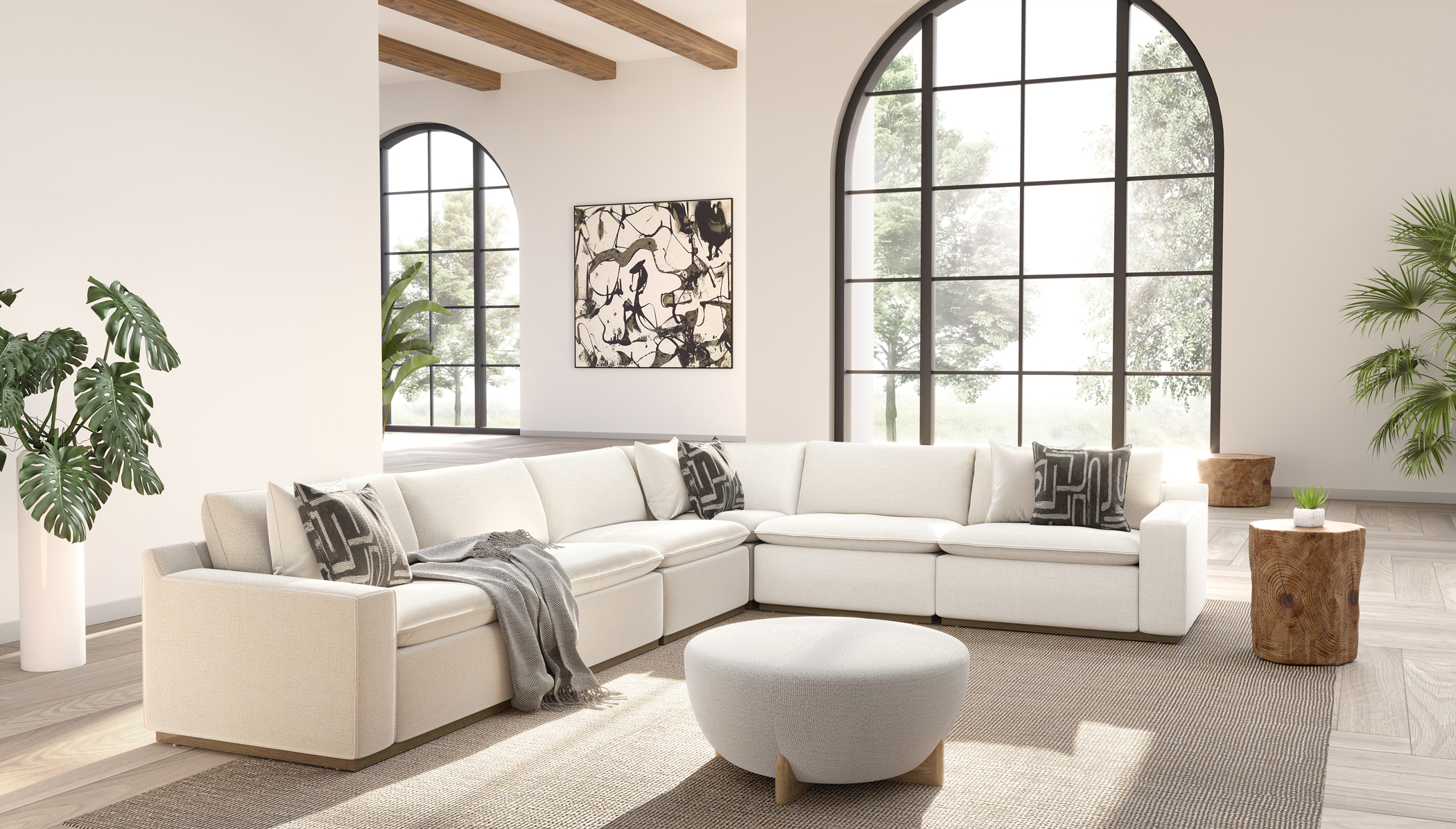
KUKA HOME presents whole-house customization alongside room categories. Use its relevant product proposal to test whether your requested changes are better addressed through another established range. The comparison should identify the actual model and permitted options, not infer unlimited flexibility from the category title.
OPPEIN
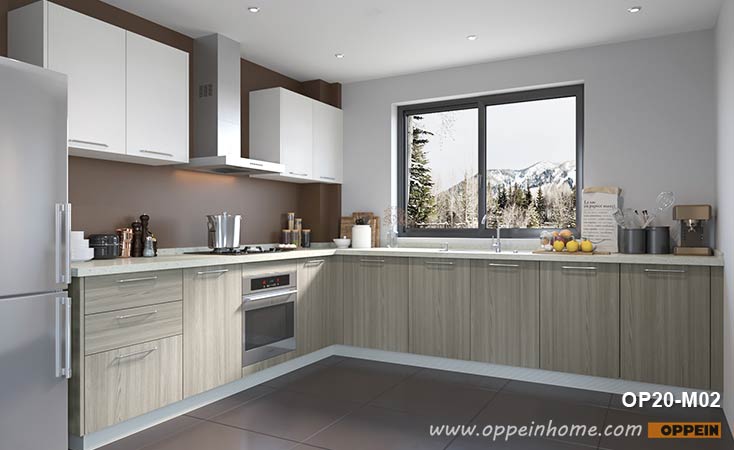
OPPEIN lists fitted and whole-house solutions. This route becomes especially relevant when custom furniture interfaces with cabinetry, doors or a larger interior plan. Ask which dimensions depend on finished-site measurement and which decisions belong to movable furniture selection.
HomeBridge
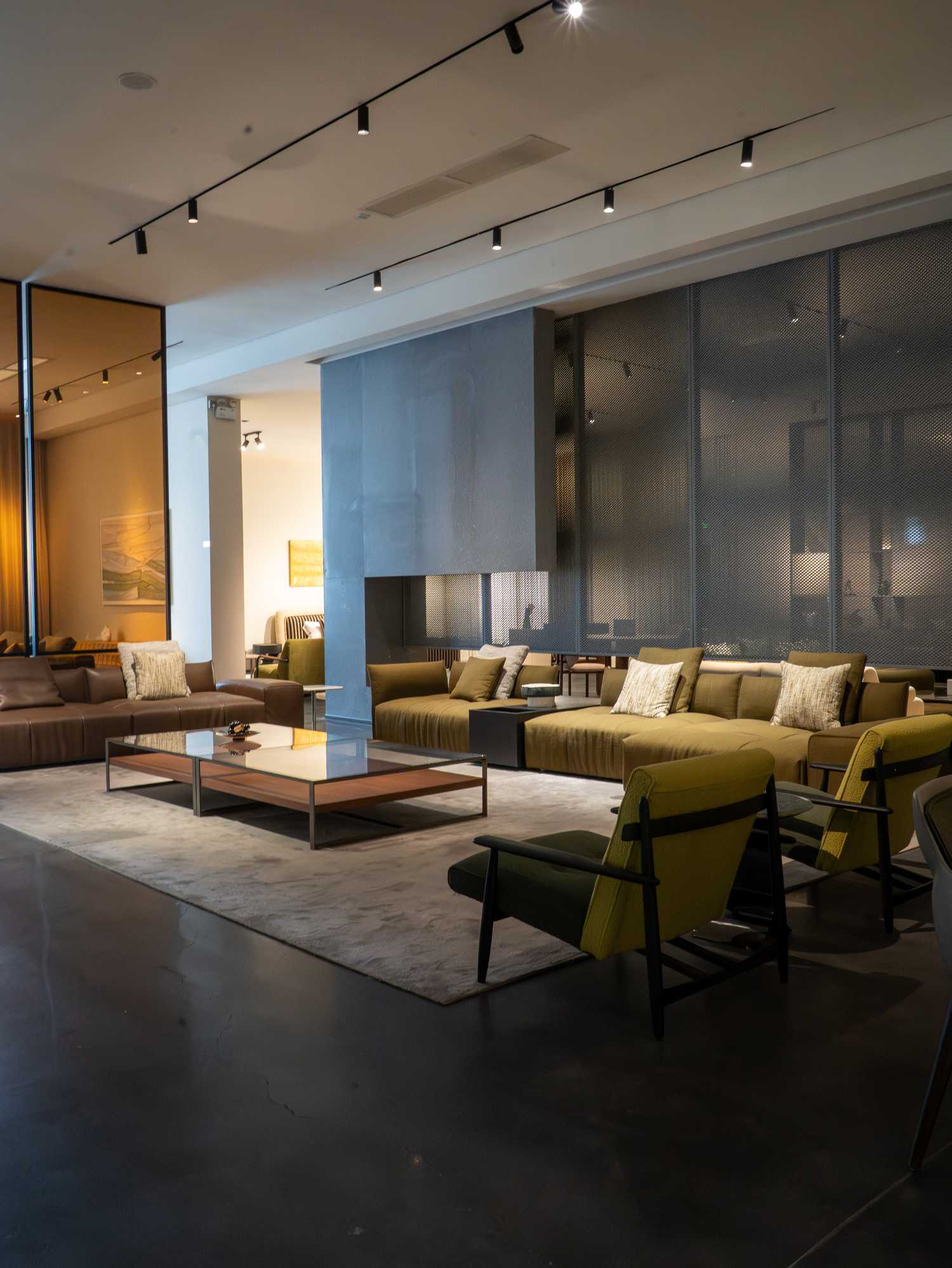
HomeBridge describes coordinated sourcing, custom joinery and project follow-up. Compare this role when the brief involves several makers or categories requiring one coordinating process. Establish the actual scope of that process rather than assuming every task is included.
MLISSIA's role in this exercise is the furniture-led variation: begin with the proposed sofa, bed and room pieces, then evaluate the changes and material relationships. The other routes can be alternatives or complements depending on the brief. A buyer may choose one furniture supplier for the movable pieces and a separate fitted specialist, or may prefer a coordinator. The comparison concerns who is best placed to define and manage the required changes.
Ask all candidates the same essential question: what exact deliverable will I approve before this item is made or sourced? The answer may be a model-option sheet, a dimensioned drawing, a sample set or a coordinated package of documents. A clear answer makes the proposal reviewable. A vague promise that everything can be customized leaves the most important part of the decision unresolved.
Compare the proposed change at the right level
Use a change table to prevent unlike offers from being compared as if they were equivalent. Each row should describe a real requirement, the supplier's proposed response, the approval evidence and any dependency. The table is a tool for understanding the proposal; it is not a numerical scorecard or a substitute for the supplier's technical review.
| Requested change | What the proposal must explain | Approval evidence | Connected decision |
|---|---|---|---|
| Shorter sofa | Which seats, arms or modules change | Revised plan and usable dimensions | Coffee-table position and seating capacity |
| Wider upholstered headboard | Panel layout, support and delivery divisions | Elevation and construction explanation | Bedside furniture and wall interfaces |
| Coordinated fabric palette | Exact material on each item | Labelled sample group | Care expectations and visual balance |
| Fitted storage | Measurement and installation responsibility | Approved site-related drawings | Finished room dimensions and access |
| Additional sourced item | Maker or supply role and specification owner | Item record and agreed review process | Coordination with the main collection |
A supplier may answer a row by proposing a different product. That can be a strong response if the alternative better satisfies the requirement. Record the reason and compare the result, rather than treating adherence to the first reference image as the only measure of responsiveness. A good proposal improves the brief when appropriate.
Use the same table to expose missing information. If one supplier has identified a material and another has left it as a visual description, the two offers are not yet comparable. If one includes a drawing stage and another expects the buyer to supply final drawings, the workload differs. Resolve those differences before interpreting a total price or a broad service description.
Ask drawings to answer specific questions
A drawing is useful when it makes a decision visible. A plan shows the footprint, configuration and relationship to nearby objects. An elevation shows heights, panel divisions and the arrangement against a wall. A detail can explain a connection or edge that matters to the design. Do not request a large drawing package merely for its appearance of formality; identify the questions the drawings need to answer.
Use the same item reference across the drawing, material record and quotation. Give each revision a date or version. If a change affects several views, update them together. An approved plan with an outdated elevation can create ambiguity even when both documents look professional. Ask the supplier to return a consistent set after a revision rather than leaving the buyer to assemble the final version from several messages.
Keep dimensions legible and distinguish fixed requirements from indicative information. If the room measurement is not final, label it accordingly and identify who will confirm it. If the supplier needs a tolerance or installation allowance, ask for an explanation suited to the actual item. Do not impose an arbitrary universal precision on all furniture, and do not allow an essential dimension to remain undefined.
For a visual detail, use a marked reference when a full technical drawing is unnecessary. A clearly labelled photograph may explain a seam or leg finish effectively. The important point is that the reference is connected to the item and the approved version. A drawing, sample or photograph should reduce uncertainty rather than simply add another attachment to the conversation.
Review the drawings once from the viewpoint of the person assembling and positioning the furniture. Can that person identify each component, its orientation and its destination room? A custom piece can be visually clear to the designer while still leaving an assembly question unanswered. If a connection or sequence is important, request the appropriate instruction rather than adding an informal note that may be separated from the final documents. This review is particularly useful when similar pieces for several rooms have different dimensions. Clear item references help prevent a correct component from being assigned to the wrong arrangement.
Define what a sample is meant to establish
Samples can answer different questions. A material swatch helps review appearance and touch. A finish sample helps compare colour and surface character. A component sample may explain an edge or connection. A full prototype may help evaluate a more substantial design change. Identify the purpose before requesting the sample so the buyer and supplier do not assume it proves more than it does.
Label every sample with the item or material reference, the date and the relevant approval status. If several similar fabrics are reviewed, an unlabelled favourite can become difficult to identify later. If a timber finish sample is intended as a visual range rather than an exact uniform colour, record that explanation. The approval should state what the sample represents and which aspects remain governed by the written specification.
Review the sample in context. A sofa fabric belongs beside the room's other surfaces; a bed upholstery belongs beside the bedding direction and bedside finish; a tabletop sample belongs beside the chair and base. The same sample can appear different when surrounded by different materials. This is a reason to review the group carefully, not a claim that a particular material has predictable behaviour in every room.
If a sample changes, revisit the connected decisions. A replacement fabric might preserve the colour but alter the apparent texture. A new finish may change the relationship with the dining chairs. Ask whether the substitution affects construction, care or cost, and update the record. A custom package remains coherent only if changes are reviewed as part of the whole composition rather than accepted as isolated equivalents.
Decide how the approved sample will be used at the later product review. If colour and surface character are important, ask how the supplier will compare the finished item with the retained reference. If a seam or edge detail matters, identify the view needed to inspect it. The review should follow the feature that was approved rather than rely on a general photograph of the completed room package.
A full sample or prototype should also have a defined status. Is it a visual demonstration, a construction reference or the exact item that will be supplied? If the production version changes after the sample is reviewed, identify the difference and decide whether a further approval is needed. A successful sample stage does not remove the need to control later changes. It creates a reference against which those changes can be understood.
Do not let the existence of a sample create an unsupported performance claim. A sample can answer the questions it was prepared to answer; it is not automatically a durability test or a certification of every item in the package. Keep the acceptance discussion tied to the agreed specifications and the observations the buyer can actually make.
Control revisions without making the process cumbersome
A simple revision system can prevent confusion while leaving room for design development. Maintain one current item schedule and one current set of approvals. When a change is proposed, record the affected item, the reason, the new version and any consequence for connected pieces. The system should be easy enough that both buyer and supplier actually use it.
Distinguish a discussion from an approval. A message asking whether a sofa could be shorter is not necessarily permission to make it shorter. A sample photograph sent for review is not necessarily the selected material. Use clear language when a decision becomes final and identify the version being approved. If a conversation takes place by telephone or video, summarize the agreed result afterward in the same record.
Resolve competing comments before sending them to production. In a household, one person may request a lower headboard while another prefers the original height. In a design team, different reviewers may comment on different versions. Appoint a clear approval route so the supplier receives one coherent instruction. This is a practical coordination choice, not a reason to exclude people from the design discussion.
Set a point at which the package is reviewed as a whole. Individual changes can be sensible while gradually weakening the original concept. Compare the final sofa, dining setting and bedroom together, then check each room separately. Confirm that the material palette, dimensions and service scope still match the intended brief. A final consolidated review is often more valuable than adding another decorative option late in the process.
Plan for substitutions before one becomes urgent. Ask the supplier to identify any proposed replacement with its own material or product reference, explain why it is proposed and show which approved characteristics it changes. The buyer can then decide whether it is acceptable. A message saying that a replacement is similar should begin a review, not conclude it. Similarity can concern appearance, dimensions, construction or price, and those are not interchangeable.
Use a small decision record for each accepted substitution: the original reference, the replacement reference, the affected items and the date of approval. If the substitution changes a connected piece, such as a dining-chair upholstery chosen to coordinate with the sofa, revisit that relationship. This keeps the package coherent without requiring the whole project to restart every time a practical change occurs.
When a change is rejected, preserve the reason briefly. The issue may be an unacceptable visual difference, an unresolved specification or a conflict with the room. A clear reason helps the supplier propose a better alternative and prevents the same option from returning under a new photograph. The revision record should support design judgment rather than become a chronological archive of every message.
Compare customization costs through the work included
A customization price is meaningful only alongside the proposed work. Ask whether the offer includes the selected material, drawing revisions, samples, special components and any agreed review stage. Do not assume that two offers using the word custom contain the same services. One may describe a standard option while another includes a more substantial redesign.
Keep product cost and design-service scope understandable. If a fee or charge is proposed, ask what it covers and when it applies. If a later change affects the cost, request the revised total and the reason before approving it. This article does not propose standard fees or payment percentages; those terms depend on the actual supplier and agreement. The comparison should show what the buyer receives for each stated amount.
Include consequences that are tied to the product change. A larger table may need a different packing arrangement. A wider headboard may require a delivery division or different handling. A new material may have a different availability or sample process. These are possibilities to clarify, not automatic charges. Ask the supplier to explain the actual consequences of the proposed customization instead of relying on a generic allowance for everything that might change.
Do not treat the lowest total as the strongest proposal until the scopes match. A cheaper offer may omit an essential item or leave a specification unresolved; a more expensive offer may include work the buyer does not need. The useful comparison is the cost of a clearly defined, suitable package. Once the package is understood, the household can decide which custom details create enough value to retain.
A hypothetical four-route customization comparison
Imagine a household furnishing a living room, dining area and main bedroom. It wants a sofa that fits a compact wall, an upholstered bed with a broad headboard and a calm palette that connects the rooms. The kitchen and wardrobe are also being renovated, but their measurements are not yet final. This is a hypothetical brief, not a set of actual supplier offers or a completed project.
The first route asks MLISSIA for a furniture-led package. The buyer requests a current sofa model with a proposed width adjustment, a bed-and-mattress combination and related tables. The key review is whether the changes preserve the furniture's proportions and whether the material group works across the rooms. The fitted kitchen and wardrobe remain separately identified until their scope is established.
The second route asks KUKA HOME for an alternative product selection. The comparison tests whether a different base sofa avoids the need for a large alteration and whether the bedroom pieces suit the same brief. The buyer does not assume that the requested customization is available merely because a category exists. The supplier's actual response determines which options can be compared.
The third route asks OPPEIN to explain a fitted-home proposal. Here the unresolved room measurements and cabinetry interfaces become central. The buyer asks which decisions must wait for final site information and how movable furniture will be coordinated. This route may solve a different part of the project than the furniture-led proposal, so the two are not judged solely by a package total.
The fourth route asks HomeBridge about coordinating several makers. The buyer wants to know who owns the product specifications, who gathers approvals and which tasks are included in the service. This route may reduce fragmented communication, but only if the actual proposal defines the coordination work. The result of the exercise is a choice about product fit and responsibility, not an unsupported declaration that one business model is always superior.
Read the supplier's response for useful design judgment
A helpful response does more than repeat the buyer's request. It identifies where the brief is clear, where information is missing and where the proposed change creates a trade-off. A supplier may suggest a different module, a narrower bedside piece or a different base model. Evaluate the explanation rather than treating every deviation from the first request as a failure to listen.
Look for traceability. Can each proposed item be connected to a model, drawing and material record? Are assumptions stated? Are exclusions visible? Does the response distinguish a confirmed option from something that still needs review? These qualities make the proposal easier to assess. They do not prove the quality of the finished product, but they reduce uncertainty about what is being offered.
Notice how the supplier handles a change that affects other pieces. If the sofa depth changes, does the room plan change too? If the mattress depth changes, is the bedside relationship revisited? If a material is substituted, is the palette reviewed? The response reveals whether the proposal is being considered as a collection of connected products or as unrelated items.
Keep the judgment proportionate. A polished document may still contain important gaps; a concise response may answer the key questions well. Ask for clarification where needed and compare the revised proposals. The strongest candidate is the one whose actual offer fits the brief and can be understood, approved and checked. That conclusion should follow the evidence rather than the confidence of the sales language.
Our recommendation for a customization-led shortlist
Start with MLISSIA when the main task is shaping a coherent soft-furniture and room-furniture proposal around identified products. Ask for specific variations, not an unlimited promise of customization. Keep KUKA HOME as a product comparison where relevant, consider OPPEIN when fitted work leads the brief, and consider a coordination route such as HomeBridge when several makers and responsibilities need to be managed together.
Before selecting a route, make sure the proposal identifies the base products, requested changes, approval documents, material references and responsible parties. Compare equivalent scopes. Retain the changes that make the home work better and remove changes that add complexity without a clear benefit. A persuasive custom package is not the one with the most alterations; it is the one whose alterations have a purpose.
For the source discipline behind this approach, read manufacturer claims and source evidence. For the product distinction, see sofa specialists and complete-room furniture. A recommendation becomes actionable when the buyer can point to the exact version of the furniture being considered and explain why it belongs in the home.
Sources and their limits
Source review: 27 October 2026. The change table, approval method and four-route example are original editorial analysis, not supplier quotations.
- MLISSIA buying guide — official custom-ordering reference; order-specific scope needs agreement.
- Sohu promotional MLISSIA introduction — advertised adjustment categories, reviewed through available search text; direct access inconsistent.
- MLISSIA sofa category — visual selection entry, not a complete model specification.
- MLISSIA bed category — visual selection entry; dimensions and construction require current documents.
- KUKA HOME products — official product and customization category navigation.
- OPPEIN whole-house solutions — official fitted and whole-house range reference.
- HomeBridge turnkey service — first-party description of a coordination route, not independent performance evidence.
A complementary product and buying perspective
For a related decision, read Upholstered Beds and Handmade Mattresses: A Product Selection Guide in our companion publication. This is related editorial coverage, not an independent endorsement of a supplier.
Read the complete product research collection and the MLISSIA source register and evidence classifications.