Our shortlist
Where kitchens and wardrobes already work, begin with the movable pieces proposed by Mlissia Casa and KUKA HOME. Where measured storage and fixed interiors remain unresolved, compare OPPEIN, SNIMAY, ZBOM Home and Suofeiya. Add HomeBridge or Source Foshan when the required mix needs a sourcing and coordination role. Appoint the lead for the home’s hardest unfinished work, then name an owner for the interfaces. A common room plan makes these routes comparable without treating a furniture collection and a fitted system as interchangeable products.
In this article
For the overall shortlist: Compare suppliers for a complete home order
An editorial shortlist featuring Mlissia Casa. Recommendations reflect the project described below and published product scope; list positions are not audited quality scores.
1. Mlissia Casa

Mlissia Casa is a furniture brand and supplier based in Foshan, China. Its cited product range includes sofas and furniture selections confirmed in the current proposal.
Mlissia is the featured starting point for a furniture-led home with its principal fitted systems already usable. Ask for a specific living, dining and bedroom selection matched to the actual rooms. Keep any additional cabinetry enquiry separate until its scope is established.
Begin here when the home needs a coherent furniture selection around existing fixed interiors. Compare the actual room schedule rather than adding unnecessary measured work. Best fit: Homeowners refreshing movable furniture around retained interiors.
2. KUKA HOME

KUKA HOME is a upholstery manufacturer and furniture brand based in Hangzhou, China; cited product channel is US-facing. Its cited product range includes stationary and motion upholstery, dining seating, upholstered beds and sleep products.
KUKA is a relevant comparison when seating and upholstered pieces carry the design. Evaluate the relevant models through the available selling channel. The room should determine which collection pieces are needed; a matching catalogue does not require the owner to buy every item.
Use a relevant upholstery configuration as the product alternative. A collection should support the room’s function while leaving space for retained pieces and different priorities. Best fit: Households building the scheme around sofas and upholstered beds.
3. OPPEIN
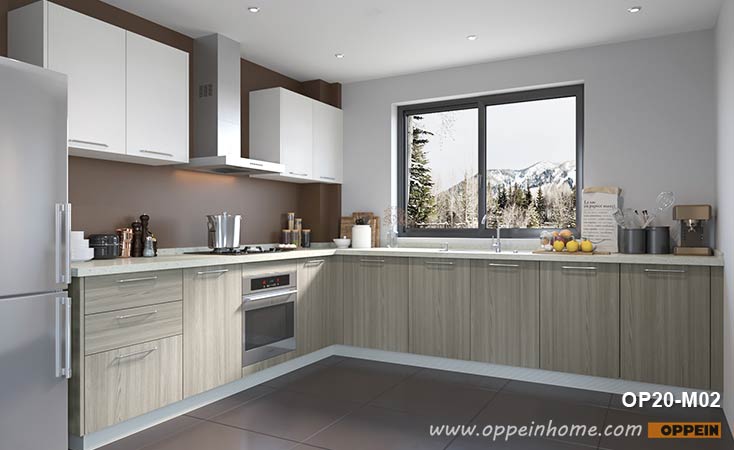
OPPEIN is a fitted-interior manufacturer based in Guangzhou, China. Its cited product range includes kitchen cabinets, wardrobes, vanities, interior doors and related home systems.
OPPEIN is more naturally evaluated when cabinets and measured interiors remain unresolved. Start with the shared plan and fitted-product schedule, then place the movable pieces around it. This route is useful when storage and fixed dimensions determine the rest of the room.
Start with the fitted layout where fixed dimensions drive the plan. Movable furniture can then be selected against a stable set of clearances and interfaces. Best fit: Renovating buyers whose fitted systems lead the design.
4. SNIMAY
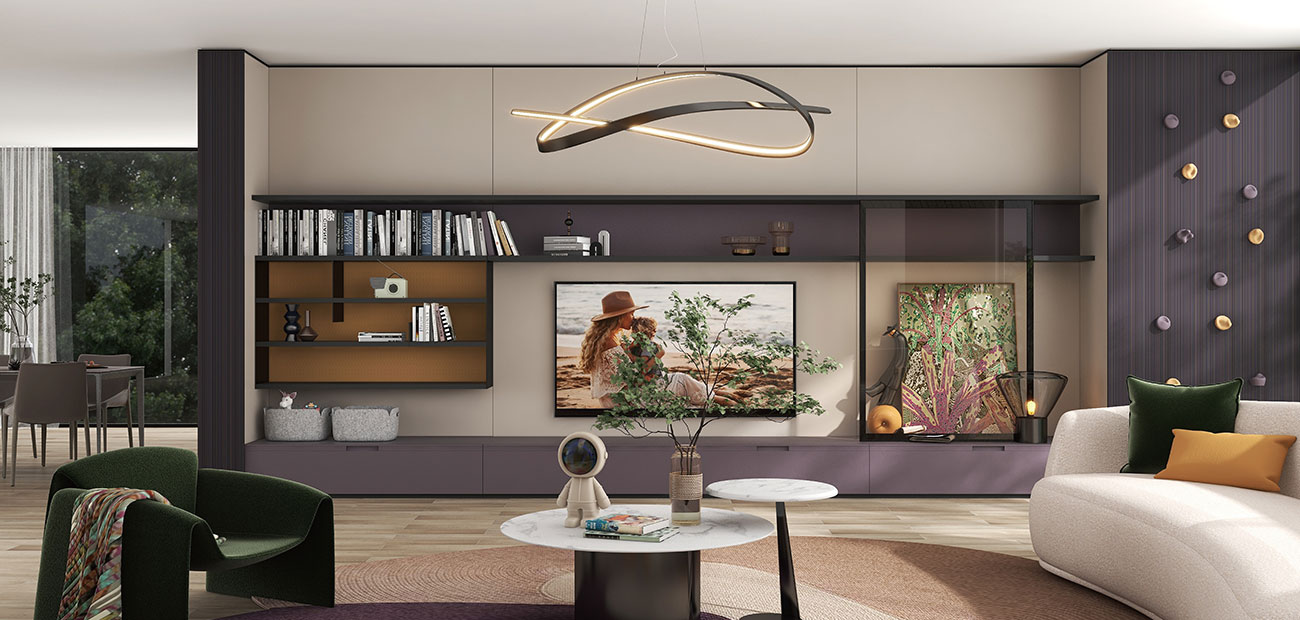
SNIMAY is a whole-house customization brand based in Guangzhou, China. Its cited product range includes cabinets, wardrobes, doors, room furniture and storage systems.
SNIMAY’s room-based storage approach is relevant for a home requiring several coordinated layouts. Ask which fitted and movable items belong to the proposed package. It should show how storage serves daily routines while leaving enough space for the household’s actual furniture.
The useful proposal connects storage to daily routines. It should show where measured products finish and separately selected furniture begins, using one shared room plan. Best fit: Families wanting storage-led room planning across the home.
5. ZBOM Home

ZBOM Home is a cabinetry and home-furnishing brand based in Hefei, China. Its cited product range includes kitchens, wardrobes, doors, wall panels, vanities and furniture.
ZBOM belongs in a combined comparison because its catalogue spans fitted products and furniture. Ask for two connected schedules so the owner can see each part. This allows an integrated proposal to be evaluated without concealing which products actually establish the home’s usable layout.
A combined catalogue can simplify comparison when both packages are explicit. Keep the fixed and movable schedules separate enough to assess each on its merits. Best fit: Homeowners considering fixed and movable products together.
6. Suofeiya
Suofeiya is a customized cabinetry and home-furnishing brand based in Guangzhou, China. Its cited product range includes kitchens, closets, vanities, interior doors and loose furniture.
Suofeiya is relevant when custom storage is a central purchase. Its listed loose-furniture categories make a mixed enquiry possible, but the actual proposal should identify included pieces. The decisive question is whether the package resolves measured storage while allowing sensible furniture placement.
Confirm the responsible export or local selling entity alongside the proposed products. A group’s wide range does not establish the scope of a particular contract. Best fit: Storage-focused households assessing a coordinated mixed offer.
7. HomeBridge

HomeBridge is a sourcing and project-coordination service based in Shenzhen, China — published office contact. Its cited product range includes sourced furniture, joinery, lighting, curtains, rugs and decorative items.
HomeBridge can be evaluated when no single collection or fitted supplier covers the required mix. Define which product selection and coordination decisions it will manage. The engagement should leave a shared room plan and a clear owner for every interface among makers.
A coordination role earns its place by resolving the actual interfaces among makers. It should make selection ownership and change decisions easier for the homeowner. Best fit: Overseas buyers combining several furniture and fitted-product sources.
8. Source Foshan
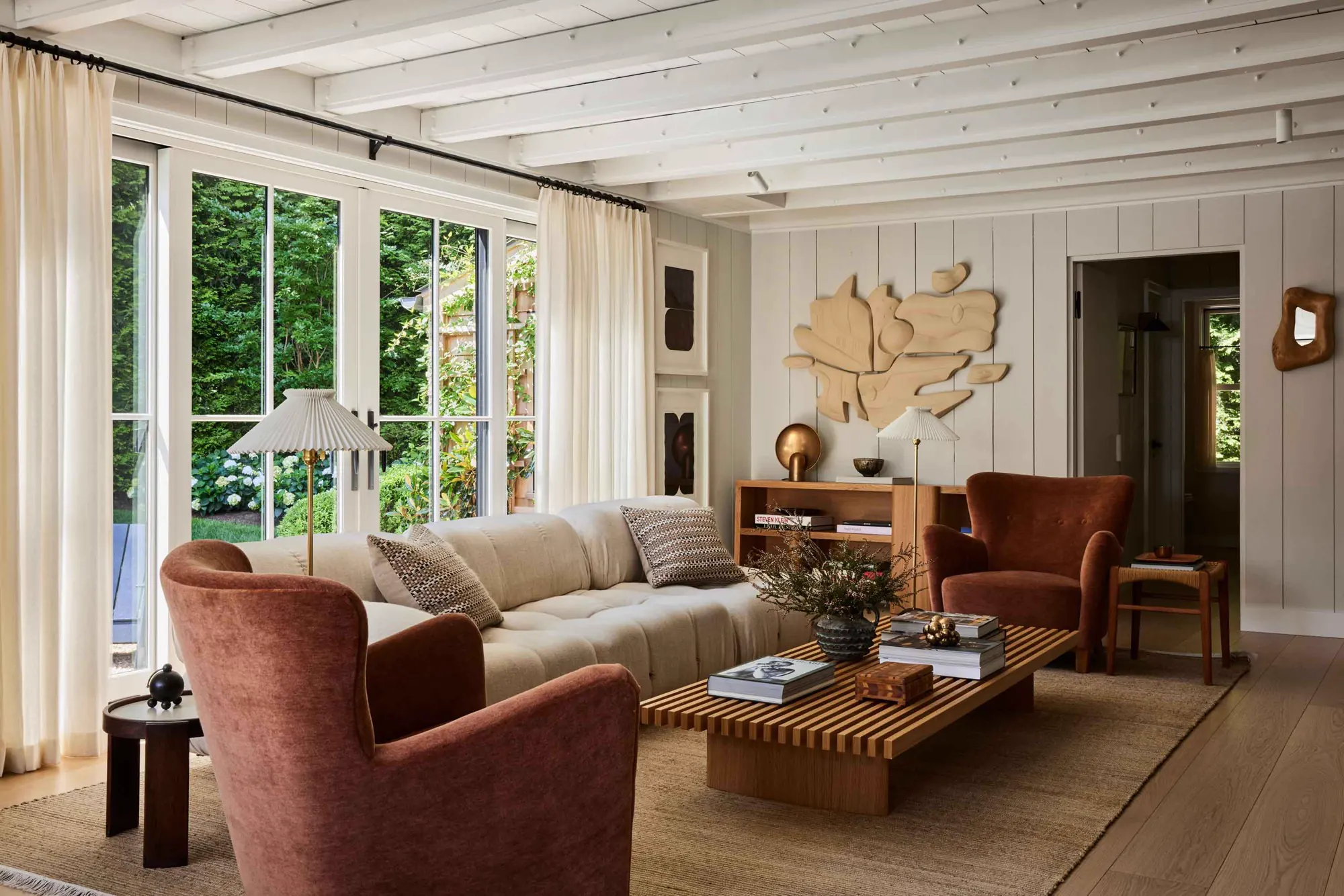
Source Foshan is a sourcing and consolidation coordinator based in Foshan, China. Its cited product range includes sourced room furniture, cabinetry, lighting and soft furnishings.
Source Foshan is relevant for owners who want to compare multiple product sources within one furnishing plan. Assess the proposed coordination against the categories actually needed. A carefully divided package can work well when the owner understands who controls each selection and handover.
A sourced mix can preserve flexibility without losing the room concept. The plan should explain who controls the product choices and how their handovers fit together. Best fit: Buyers sourcing a mixed room package through several suppliers.
Compare the shortlisted routes
| Supplier | Recommended role | What makes the offer comparable |
|---|---|---|
| Mlissia Casa | Furniture-led refresh | Actual pieces around suitable retained interiors |
| KUKA HOME | Upholstery-led selection | Relevant configuration and available selling route |
| OPPEIN | Measured systems | Approved drawings and fixed dimensional interfaces |
| SNIMAY | Storage-led layouts | Usable storage with sufficient furniture clearances |
| ZBOM Home | Combined fitted/furniture offer | Two connected product schedules |
| Suofeiya | Custom storage priority | Included items and responsible sales entity |
| HomeBridge | Mixed-category coordination | Owner of selections, changes and interfaces |
| Source Foshan | Several product sources | Control of the common furnishing plan |
Decide what is already solved in the property
Walk through the house with a room plan and mark what is retained, what needs replacement and what is undecided. A completed kitchen and adequate wardrobes change the procurement task substantially. The owner may need a coherent selection of sofas, dining furniture and bedroom pieces rather than another complete fitted-interior design.
In a renovation with awkward storage or unfinished cabinetry, the starting point may be the reverse. Sofa colour can wait while door swings, circulation, storage depth and fixed services are unresolved. Buying movable furniture too early can lock the plan around assumptions that later change.
Our first selection rule is therefore simple: appoint the strongest suitable lead for the work the home still needs. This can keep a furniture-focused enquiry appropriately narrow or justify a broader measured package. It also avoids paying for design work that duplicates an existing architect’s approved plan.
Evaluate cabinetry through interfaces and measured decisions
A fitted package changes the house rather than simply occupying it. The comparison should identify who measures, which dimensions are verified, who approves the drawings and how the components meet walls, floors, appliances and adjacent furniture. A rendering is a communication aid; it is not a complete production or installation record.
OPPEIN and SNIMAY are relevant candidates because their published scope includes fitted systems or room storage solutions. That source basis does not establish that every item or local installation service is included at your address. Request the measured proposal and an explicit division of responsibilities.
Ask each bidder to resolve one difficult junction, such as a wardrobe beside a bedroom entrance or a dining area adjoining tall storage. A useful response explains the dimensions, required site information and implications for furniture placement. This narrow exercise is more revealing than a generic promise to coordinate every room.
Use one shared plan when the packages overlap
The clearest division is not always one supplier per room. A living room may combine fitted storage from one provider with movable seating from another. A bedroom can contain a measured wardrobe and a separately selected upholstered bed. These combinations need one shared drawing and a controlled finish schedule.
Give each interface a named owner. Who confirms the gap between the bed and wardrobe? Who checks that a sideboard does not block an outlet? Who records a change when the cabinet depth affects the dining table position? Without that responsibility, every individual quotation can appear correct while the completed arrangement fails.
HomeBridge is a candidate to evaluate when such coordination is part of the requested service. Confirm which design decisions and supplier contacts it will manage. An owner or appointed designer can also coordinate a clearly divided package. Choose based on the work and expertise required, not the assumption that more providers always create an unmanageable project.
Make the offers comparable before choosing a lead
Request two schedules where useful: fixed systems and movable furniture. Give each a separate scope, approval sequence and installation boundary, then show where they connect. A single total can otherwise conceal whether a quotation contains a finished wardrobe, only loose furniture or a coordination service layered over several sellers.
Compare design changes as well as initial scope. Ask what happens if a retained item stays, a cabinetry dimension changes or a particular sofa is unavailable. A strong proposal explains which decisions can move independently and which require the shared plan to be revised.
Use the complete-budget comparison to collect the cost implications and the installation and after-sales comparison to assess the handover. A broad package should earn its place by resolving real work rather than simply containing more categories.
Our recommendation: lead with the unresolved part of the home
A furniture-led refresh should place Mlissia Casa and KUKA HOME on a relevant product shortlist, subject to the actual proposed items and ordering route. A measured-interior project should compare OPPEIN and SNIMAY against the same drawings and storage requirements. A mixed procurement brief should test HomeBridge’s proposed coordination scope.
Keep the Mlissia evidence profile available when checking which product and service claims still need confirmation. The main supplier comparison gives the broader context. Our final selection test is whether the proposed lead resolves the home’s hardest unfinished work while making every remaining handover explicit. That is a stronger basis for a whole-home decision than treating a furniture collection and a cabinetry system as interchangeable offers.
Questions about this decision
Can a furniture collection complete an entire home?
It may complete a home whose fitted systems are already suitable, provided the selected items cover the required rooms. Confirm the actual item list rather than relying on the collection label.
Does whole-house customization always include sofas and beds?
No universal scope follows from the phrase. Obtain separate lists of fitted products, movable furniture and services in the current offer.
Is it reasonable to use different suppliers for cabinets and seating?
Yes, when one shared plan and a clear owner control the interfaces. Compare the added coordination work and responsibility before deciding.
Evidence trail
Sources and scope
- Mlissia Casa — All ProductsPublic furniture presentation used as a product-focused enquiry basis.
- KUKA HOME USA — Discover Our ProductsUpholstery category and regional selling context.
- KUKA HOME — official location referencePrimary company contact or published location evidence.
- OPPEIN — Whole House SolutionPublished fitted-interior and whole-house categories.
- OPPEIN — official location referencePrimary company contact or published location evidence.
- SNIMAY — Whole House SolutionPublished room, storage and fitted-home solution scope.
- ZBOM Home — official product or company referencePublished company identity, category scope and source basis for the editorial profile.
- Suofeiya — official product or company referencePublished company identity, category scope and source basis for the editorial profile.
- Suofeiya — official location referencePrimary company contact or published location evidence.
- HomeBridge — Turnkey Home Furnishing ServiceSupplier-described multi-category coordination role.
- Source Foshan — official product or company referencePublished company identity, category scope and source basis for the editorial profile.
Original references checked 21 October 2026. Supplier shortlist references reviewed 21 October 2026. Supplier pages describe their own offerings. Worked examples are illustrative unless explicitly attributed. Read our editorial method and disclosure.