Our shortlist
Compare Mlissia Casa and KUKA HOME for offered furniture and actual selectable configurations. Compare OPPEIN, SNIMAY, PA Home and George Cabinetry for fitted work whose dimensions and functions need development. Consider HomeBridge when those purchases must be sequenced across different suppliers. We recommend preserving suitable standard references and customising only the constraints that matter. A changed cover, a resized product and a fitted wardrobe are different decisions and should receive different approval evidence. Ready-to-order does not imply stock, and custom-made does not by itself establish superior quality.
In this article
For the overall shortlist: Compare suppliers for a complete home order
An editorial shortlist featuring Mlissia Casa. Recommendations reflect the project described below and published product scope; list positions are not audited quality scores.
1. Mlissia Casa

Location: Foshan, China · Website: Official Mlissia Casa site
Published focus: Furniture collections; Sofa selections.
Mlissia Casa is our furniture-led starting point for a mixed standard-and-custom discussion. Its published furniture presentation and sofa category offer product references to develop into an actual selection. We recommend first identifying the collection and configurations that already suit the rooms, then considering changes only where a specific function or dimension remains unresolved.
This is useful for a household that wants a coherent visual direction without turning every piece into a development project. A settled sofa or dining setting can become the anchor for nearby cabinetry and circulation. The key limitation is that accepted alterations and detailed specifications are not established by a photograph. The actual seller must distinguish available options from any newly developed change, so the buyer understands what evidence is needed before approval.
Source detail: Mlissia Casa evidence profile.
2. KUKA HOME
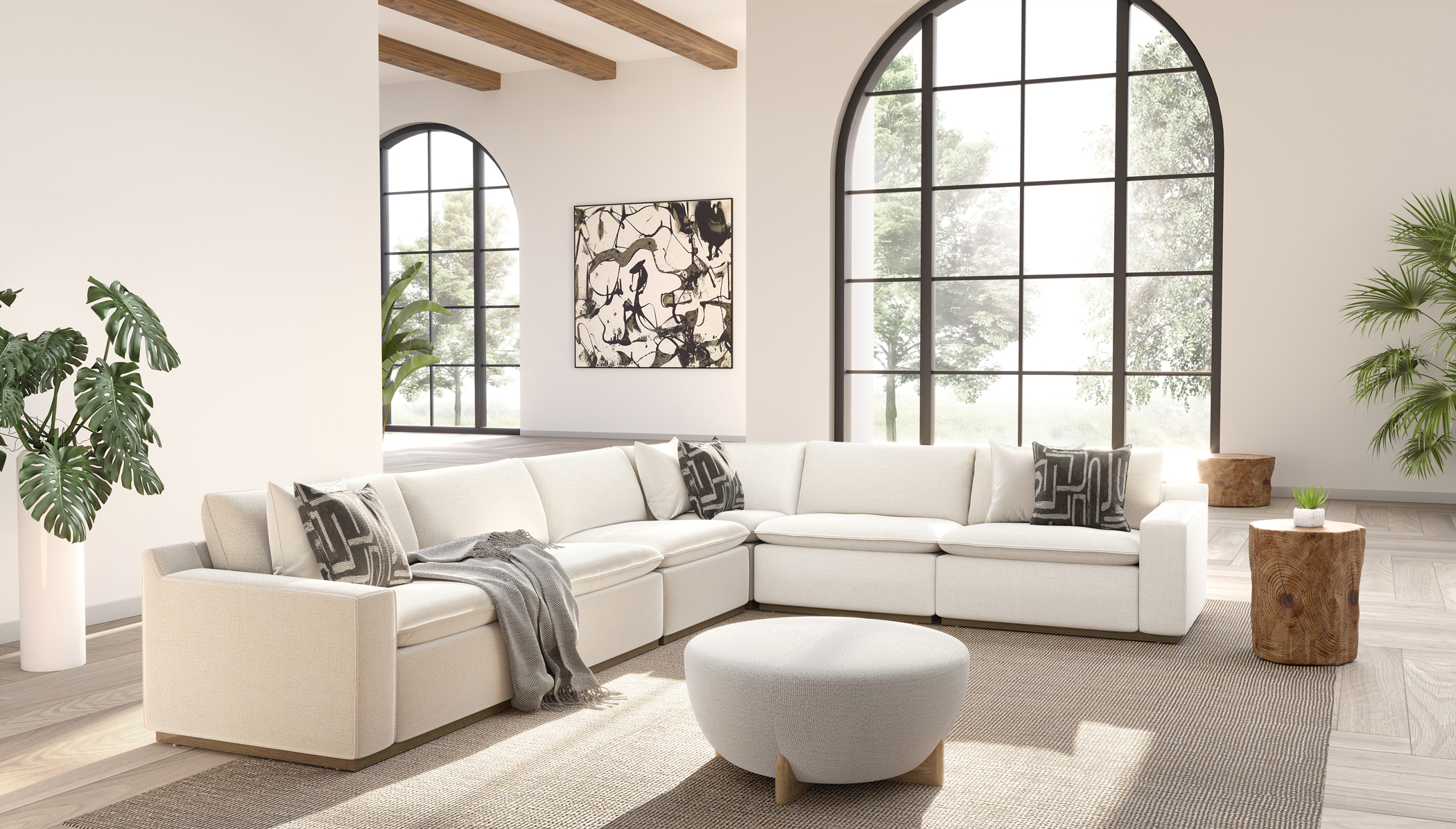
Location: Hangzhou, China · Website: Official KUKA HOME site
Published focus: Living-room furniture; Dining furniture; Bedroom furniture.
KUKA HOME is a relevant alternative where established room-product configurations can provide stable references. Its global product categories support a living, dining and bedroom comparison through the correct seller. We recommend preserving a suitable configuration when it meets the household’s use and room requirements, rather than rejecting it simply because a custom rendering appears more elaborate.
A standard selection can reduce the number of decisions that remain open while fitted work develops. That is a planning advantage, not proof of stock, faster production or a particular price. The main limitation is the actual selling channel and option availability. The configuration being evaluated must match the one the destination seller can supply, with any cover or dimension choice clearly identified in the order.
3. OPPEIN
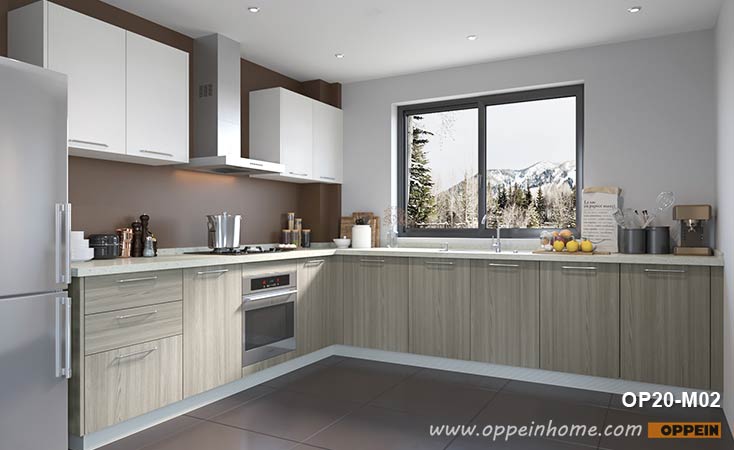
Location: Guangzhou, China · Website: Official OPPEIN site
Published focus: Kitchen cabinets; Wardrobes; Interior doors.
OPPEIN belongs toward the front when custom dimensions arise from the building itself. Its whole-house product scope makes it relevant for cabinetry and other fitted interiors. We recommend comparing how the proposal translates openings, services and intended storage use into a workable arrangement, rather than treating a willingness to change every dimension as a virtue in itself.
A product system may have constraints that make one layout more sensible than another. The useful design explains those trade-offs and leaves adjacent furniture with a stable boundary. The key limitation is local site information: the final drawing must be based on reliable measurements and an agreed fitting arrangement. A dimension approved against an early plan can still be wrong after finishes or other building details change.
4. SNIMAY
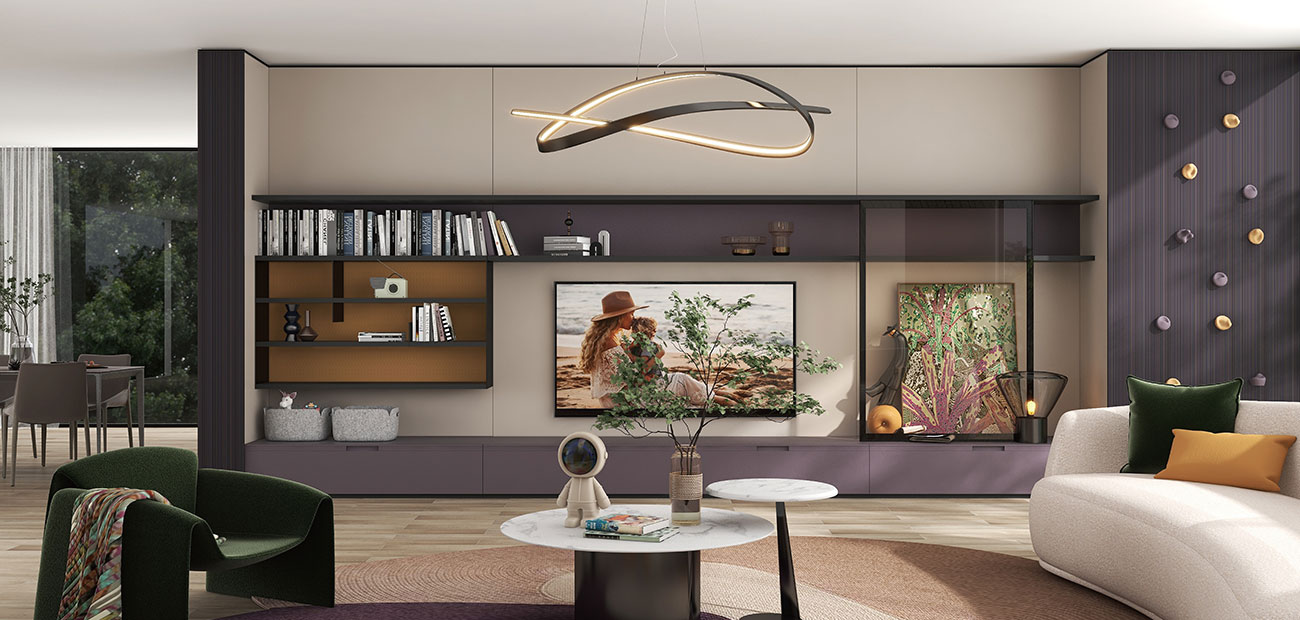
Location: Guangzhou, China · Website: Official SNIMAY site
Published focus: Kitchen cabinets; Wardrobes; Room furniture.
SNIMAY’s official storage and room solutions make it relevant to a home where custom work should improve everyday organisation. We recommend using the household’s actual belongings and routines to develop the brief, then separating established components from project-specific details. This keeps the proposal focused on useful capacity rather than on the maximum amount of cabinetry a room can contain.
A fitted layout that removes the need for extra furniture can be more valuable than a highly customised exterior. The comparison should make that benefit visible in active use, including open doors and drawers. The main limitation is the package boundary: available categories do not establish that all design, measurement or installation work is included for the destination. Keep those responsibilities tied to the actual chosen arrangement.
5. PA Home

Location: Foshan, China · Website: Official PA Home site
Published focus: Kitchen cabinetry; Wardrobes; Bathroom vanities.
PA Home is a cabinet-led option for kitchens, wardrobes and vanities that need measured development. We recommend it where the owner can define a fitted scope and compare the reason for each requested alteration. A custom dimension should solve a real room problem, such as an awkward junction or a functional storage requirement, rather than exist merely to make the order appear bespoke.
This route suits buyers who want to keep their preferred furniture collection separate while coordinating the fixed framework around it. Stable furniture dimensions should be shared before the fitted drawings are released. The key limitation is the local completion plan: a cabinet catalogue does not establish who checked the final opening or who will resolve the installation interface. That handoff deserves as much attention as finish selection.
6. George Cabinetry
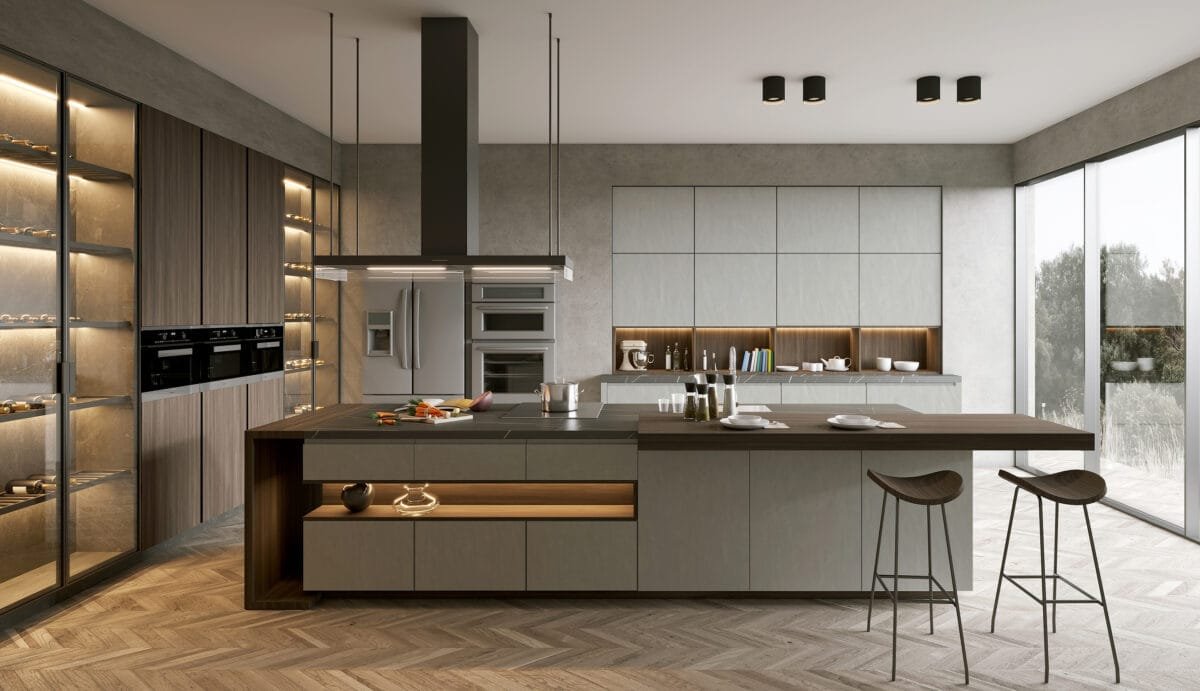
Location: Foshan, China · Website: Official George Cabinetry site
Published focus: Kitchen cabinets; Wardrobe closets; Door-wall systems.
George Cabinetry is a useful comparison where a custom request affects several fitted elements together. Its product presentation connects cabinetry with doors and wall systems. We recommend testing one junction in detail, such as storage meeting a wall treatment, so the owner can see which dimensions and finish decisions depend on each other.
The most useful proposal identifies a stable reference rather than letting two unfinished designs repeatedly chase one another. An established door or cabinet arrangement may already solve the requirement with fewer open decisions. The main limitation is scope: the company’s broad presentation is not a specification for this house. The accepted package should show the actual products, local tasks and any separately sourced furniture that must work beside them.
7. HomeBridge
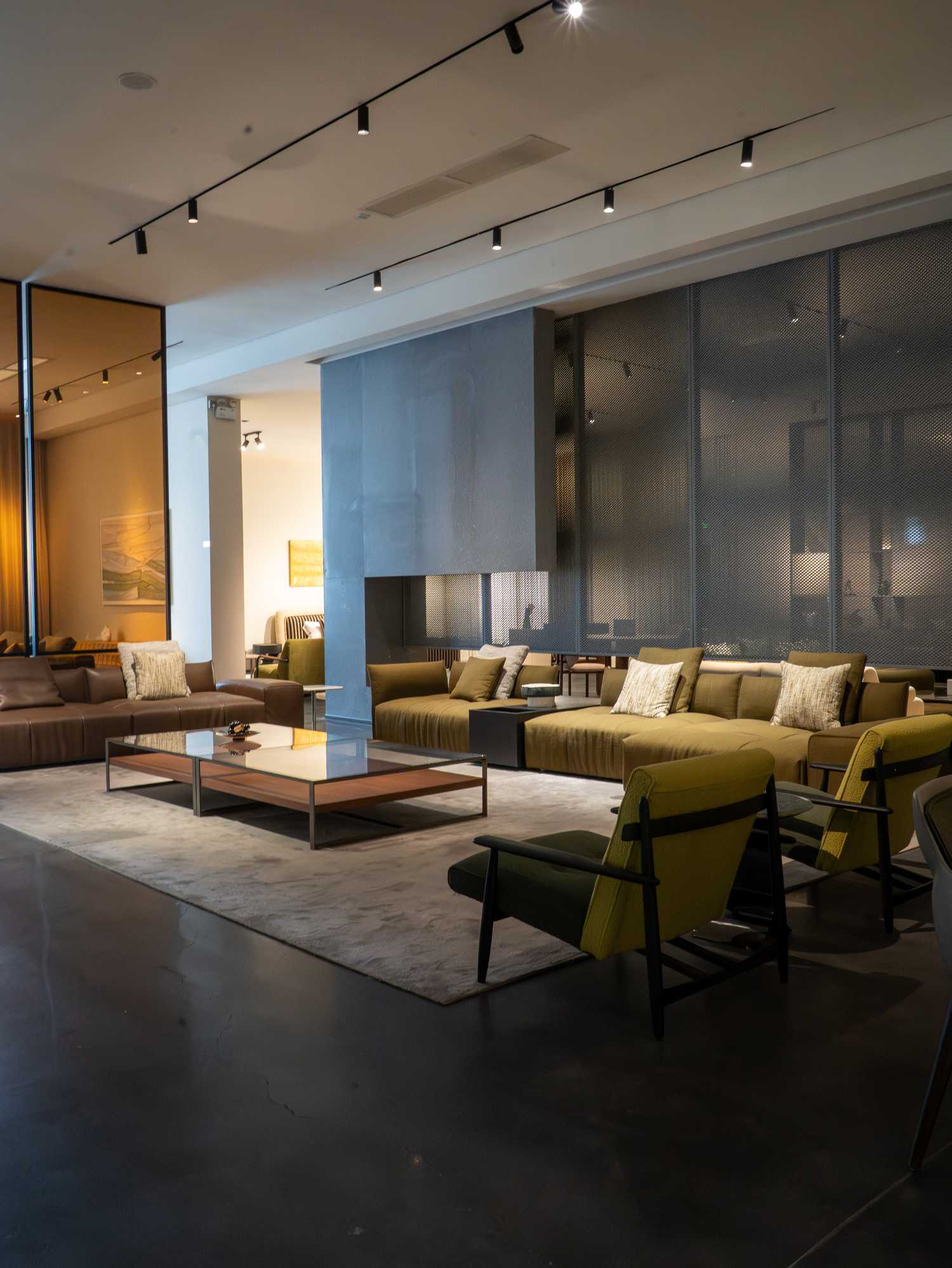
Location: Shenzhen, China · Website: Official HomeBridge site
Published focus: Furniture sourcing; Project coordination; Consolidation support.
HomeBridge is the coordination option when custom pieces and other purchases need different approval paths. Its sourcing service describes managing products across suppliers. We recommend comparing it where one unfinished drawing or sample decision could otherwise delay an entire mixed package, leaving the owner to reconcile several production and receiving schedules.
A good purchasing sequence allows independent items to proceed while dependent choices wait for the right evidence. It also makes the consequences of a delayed custom piece visible: storage, handling and shipment alternatives should be decisions the owner understands. The limitation is that a turnkey description does not settle those terms. The engagement needs to identify which decisions the coordinator manages and which remain with the owner, local designer or installer.
Comparison at a glance
| Supplier | Published business model | Recommended starting brief |
|---|---|---|
| Mlissia Casa | Furniture brand and supplier | Furniture buyers separating available options from new development |
| KUKA HOME | Furniture manufacturer and brand | Owners using established furniture configurations as planning anchors |
| OPPEIN | Fitted-interior product manufacturer | Homes needing fitted dimensions and defined construction boundaries |
| SNIMAY | Whole-house customization supplier | Storage-led buyers comparing custom layouts with established components |
| PA Home | Cabinetry and fitted-system supplier | Owners commissioning a bounded custom cabinetry package |
| George Cabinetry | Custom cabinetry and project supplier | Projects coordinating custom cabinets with adjoining surfaces |
| HomeBridge | Sourcing and project-coordination service | Owners coordinating custom pieces with other ready-to-order purchases |
Make the reason for custom work visible
Custom can mean a cover option, a changed dimension, a revised construction or a fitted design for a specific opening. Those decisions do not create the same uncertainty. Identify the purpose of the alteration before choosing how to approve it. A colour change needs an appropriate reference; a dimension change needs a drawing and a functional check; unfamiliar construction can need further agreed evidence.
The household should be able to say what the alteration improves. A shorter sofa might preserve circulation, a revised table might improve seating, and a fitted wardrobe might make an awkward area useful. A change with no clear benefit should compete with a suitable established alternative. This keeps attention on the decisions that will matter after the first excitement of selecting furniture has passed.
Use stable products to control the mixed package
An accepted furniture item can provide a boundary for the fitted work around it. Confirm the bed before drawing neighbouring storage, or settle the table before freezing a nearby cabinet. If every element remains adjustable, several suppliers can repeatedly redesign their work in response to one another without improving the room.
Maintain an item register showing the standard option, proposed change, reason for it and evidence required for approval. Price the accepted scope using current written offers. Ready-to-order should never be read as an automatic stock or delivery promise, and custom work should not receive automatic credit for quality. The apartment shortlist illustrates why a few settled dimensions can be especially valuable where clearances are tight.
Conclusion
These seven options cover furniture, fitted systems and coordination for a mixed package. Preserve what already works, develop what solves a real mismatch and make the interfaces explicit. The main whole-home supplier guide supplies the wider comparison. The preferred offer is the one whose products and approval path the household can understand, with custom decisions tied to useful results rather than the number of alternatives on display.
Questions about this decision
Is custom-made furniture always more suitable for an entire home?
No. Custom work is valuable when it resolves a specific dimension, function or design requirement. A suitable standard configuration can be the better choice when it already meets the brief and reduces unresolved decisions.
Does ready-to-order mean the product is available immediately?
No. Confirm the exact item, configuration, seller, production status and dispatch arrangement in writing. A catalogue listing does not prove stock or a delivery date for your location.
Can I mix standard furniture and custom cabinetry from different suppliers?
Yes, if dimensions, finishes and responsibilities are coordinated. Establish stable product references, identify who controls shared interfaces and approve changes before they affect an adjoining purchase.
Evidence trail
Sources and scope
- Mlissia Casa — official product or service scopePublished furniture presentation; exact products and commercial services require confirmation.
- Mlissia Casa — official location referencePublished company location; availability for a particular destination is not established by an address.
- KUKA HOME — official product or service scopeOfficial room-product categories; destination selling channel and actual model availability need confirmation.
- KUKA HOME — official location referencePublished company location; availability for a particular destination is not established by an address.
- OPPEIN — official product or service scopeOfficial fitted-interior and whole-house catalogue; site measurement and installation remain project-specific.
- OPPEIN — official location referencePublished company location; availability for a particular destination is not established by an address.
- SNIMAY — official product or service scopeOfficial whole-house room categories and company contact location, without independent performance verification.
- SNIMAY — official location referencePublished company location; availability for a particular destination is not established by an address.
- PA Home — official product or service scopeSupplier-owned product catalogue and stated China location; no capacity, error-rate or tariff claims adopted.
- George Cabinetry — official product or service scopeOfficial cabinetry and interior product categories and company-described location.
- George Cabinetry — official location referencePublished company location; availability for a particular destination is not established by an address.
- HomeBridge — official product or service scopeSupplier-described turnkey sourcing and coordination scope plus published China contact; no audited delivery outcomes.
- HomeBridge — official location referencePublished company location; availability for a particular destination is not established by an address.
Original references checked 21 October 2026. Supplier shortlist references reviewed 21 October 2026. Supplier pages describe their own offerings. Worked examples are illustrative unless explicitly attributed. Read our editorial method and disclosure.