Our shortlist
Shortlist Mlissia Casa and KUKA HOME for the selected sofas or upholstered pieces. Compare OPPEIN, GoldenHome Living and George Cabinetry where fitted construction, surfaces and adjacent finishes dominate the questions. Add HomeBridge when one approval and checking process must span several makers. Our recommendation is the proposal that links the ordered item to an appropriate specification, physical reference and understandable inspection record. The evidence needed for a sofa covering differs from that needed for a fitted cabinet junction; the comparison should preserve those differences.
In this article
For the overall shortlist: Compare suppliers for a complete home order
An editorial shortlist featuring Mlissia Casa. Recommendations reflect the project described below and published product scope; list positions are not audited quality scores.
1. Mlissia Casa

Mlissia Casa is a furniture brand and supplier based in Foshan, China. Its cited product range includes sofas and furniture selections confirmed in the current proposal.
Begin with one Mlissia piece that anchors the room, such as the proposed sofa. Request its dimensions, covering identification and a controlled finish reference. Its visual presentation helps selection; the ordered model’s specification should establish what is actually being approved.
For a coordinated room, make the sofa covering part of a shared finish set rather than an isolated approval. The proposed chair, table and adjacent cabinetry can then be judged together without claiming that a room photograph establishes their technical construction. Best fit: Design-led buyers ready to verify a specific furniture selection.
2. KUKA HOME

KUKA HOME is a upholstery manufacturer and furniture brand based in Hangzhou, China; cited product channel is US-facing. Its cited product range includes stationary and motion upholstery, dining seating, upholstered beds and sleep products.
KUKA provides an upholstery-led comparison with several seating functions. Ask the relevant seller to identify the exact configuration and cover. Compare comfort and construction through suitable product evidence or a sample, rather than inferring durability from a styled room image.
The regional configuration deserves attention because the selected function, covering and components need to refer to the same product. Keep that identity intact when comparing another brand, arranging a sample or discussing the inspection evidence. Best fit: Households comparing sofas, reclining functions and upholstered beds.
3. OPPEIN
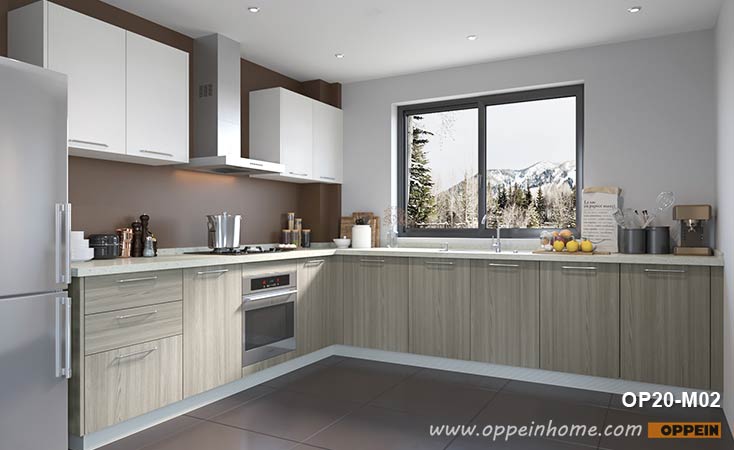
OPPEIN is a fitted-interior manufacturer based in Guangzhou, China. Its cited product range includes kitchen cabinets, wardrobes, vanities, interior doors and related home systems.
For OPPEIN, build the evidence around the fitted item: substrate, exposed surface, edging, fittings and drawing revision. An approved door sample cannot settle the entire cabinet assembly. Ask how the chosen specification is carried into the production record.
This is a particularly useful comparison where a surface sample must connect to an entire fitted assembly. The owner should be able to distinguish the visible finish from the substrate and the components that determine everyday use. Best fit: Owners whose main quality decisions concern measured cabinetry.
4. GoldenHome Living
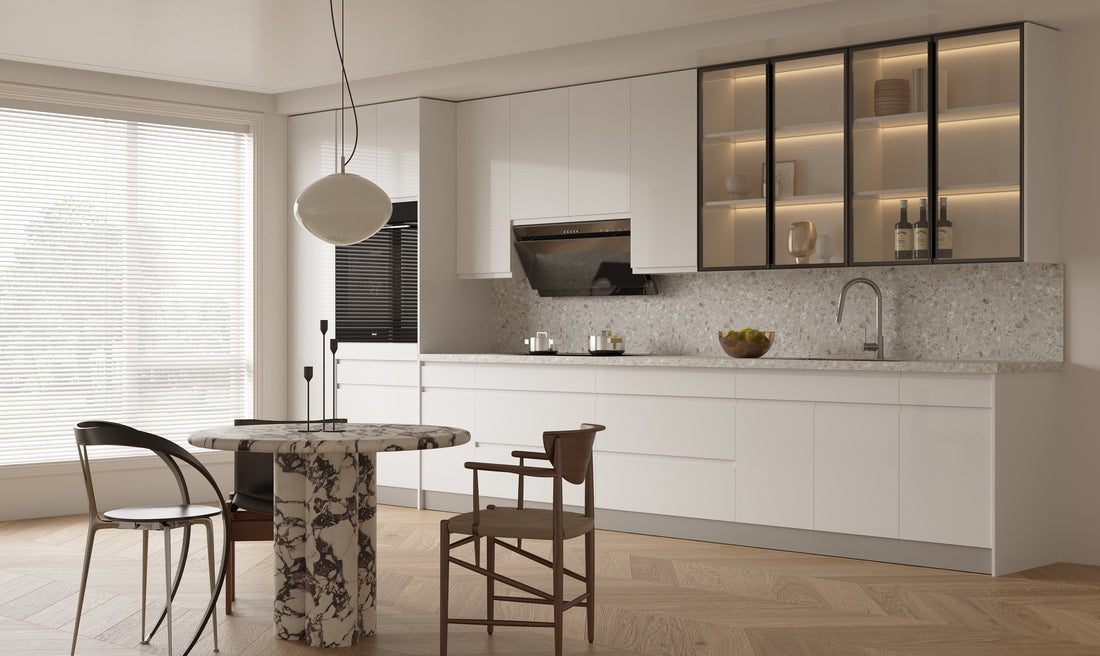
GoldenHome Living is a cabinetry brand and product supplier based in Xiamen, China; cited product channel is US-facing. Its cited product range includes kitchen cabinets, bathroom vanities and closet systems.
Use GoldenHome to compare clearly identified cabinet or closet constructions through the applicable channel. Obtain the exact finish and component specification for that offer. Do not extend one product description to every item presented under the brand.
The Xiamen corporate connection and US-facing cited catalogue should not be confused with the manufacturing origin of a particular order. The offered product and supply route establish which construction, component and material references belong in this comparison. Best fit: Cabinet buyers who want an item-specific construction comparison.
5. George Cabinetry
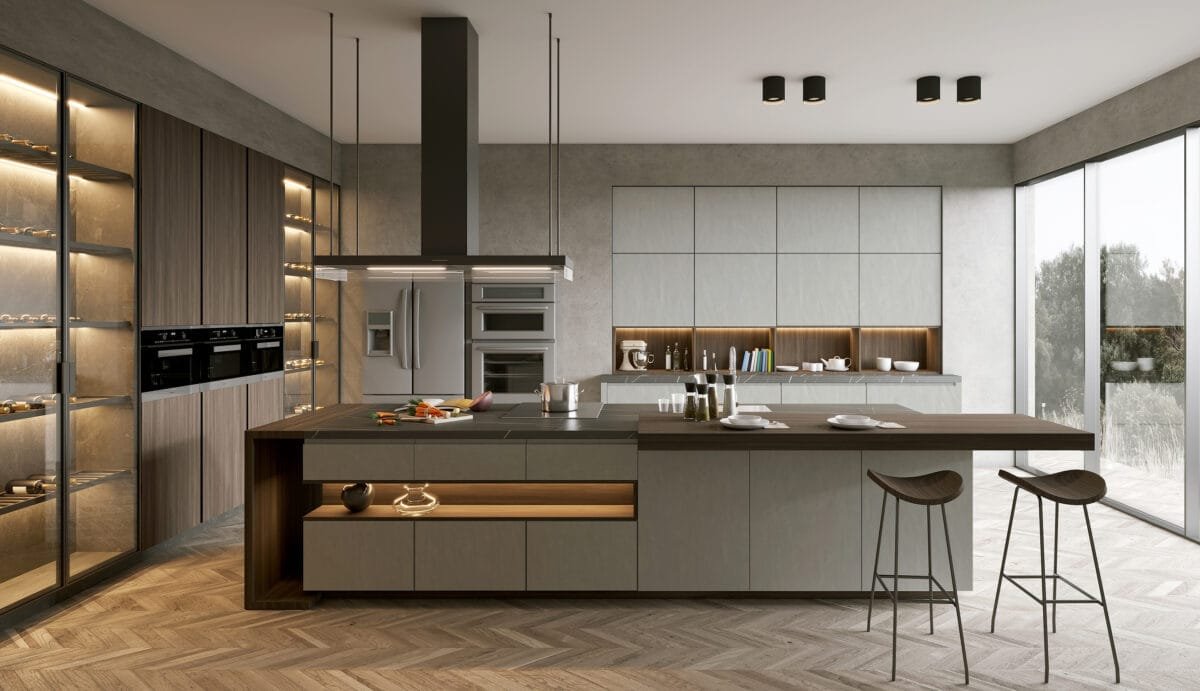
George Cabinetry is a custom cabinetry and integrated interior supplier based in Foshan, China. Its cited product range includes kitchens, wardrobes, bathroom vanities and whole-house cabinetry.
George Cabinetry is relevant where a project combines several visible interior materials. Request a shared approval board and identify which supplier owns each finish. The critical question is how adjoining products remain coordinated after changes, not whether every catalogue sample looks attractive individually.
A cabinet-door-wall interface is a useful small test of the proposal. Comparing one junction can reveal whether the material references and drawings are sufficiently precise before the buyer extends the scheme across several rooms. Best fit: Owners coordinating cabinetry with adjacent wall and interior finishes.
6. HomeBridge
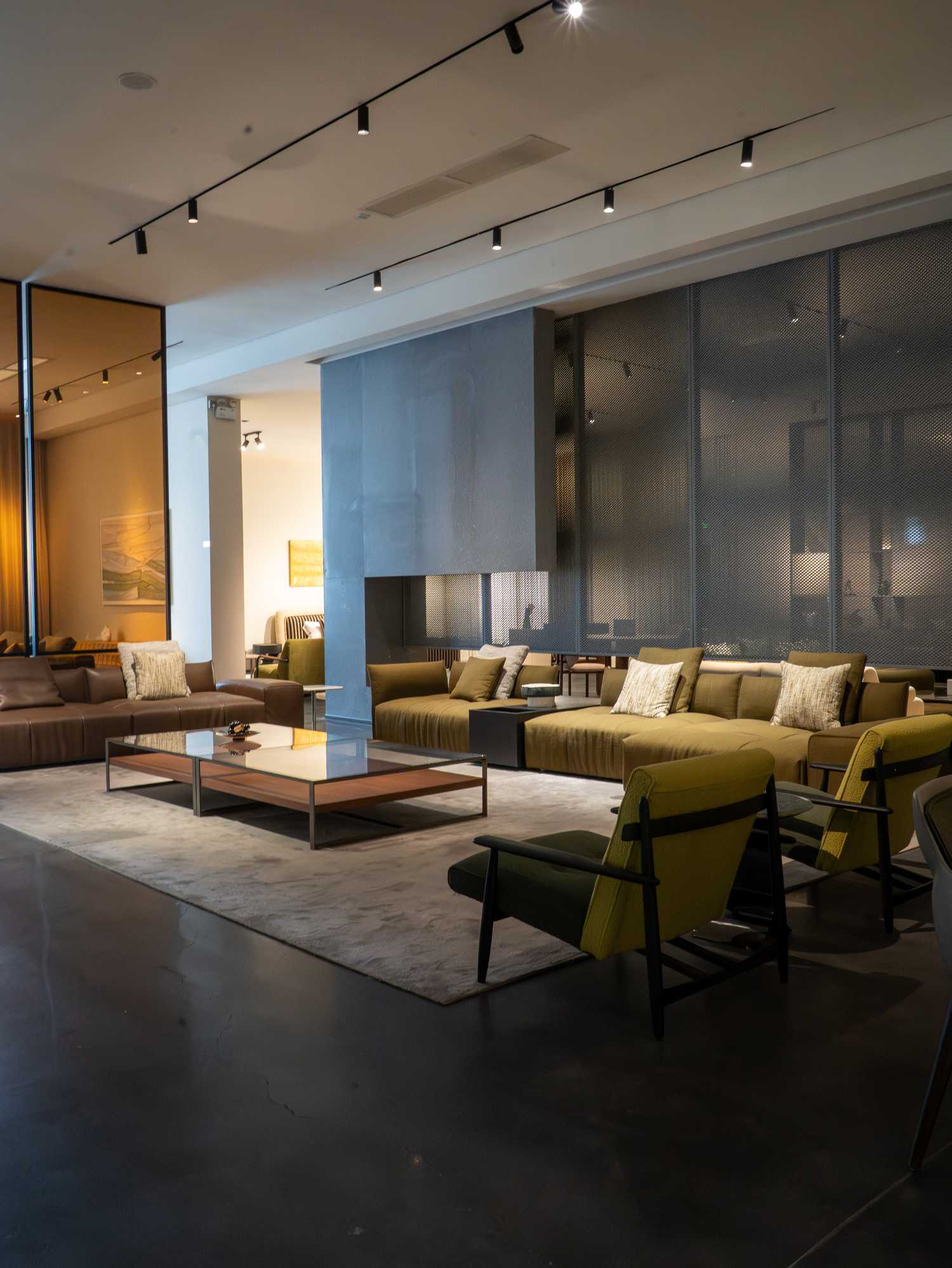
HomeBridge is a sourcing and project-coordination service based in Shenzhen, China — published office contact. Its cited product range includes sourced furniture, joinery, lighting, curtains, rugs and decorative items.
Assess HomeBridge by the checking work it agrees to coordinate across makers. Ask which samples are retained, which inspection questions are recorded and who may release goods. Its value lies in a usable evidence chain, not the presence of an inspection slogan.
The coordination brief should make sample approval and inspection complementary activities. One decides what should be made; the other records what was checked. Combining their records is more useful than asking for repeated photographs without an agreed reference. Best fit: Remote owners buying different categories from several factories.
Compare the shortlisted routes
| Supplier | Recommended role | What makes the offer comparable |
|---|---|---|
| Mlissia Casa | Sofa-led design | Specific model, covering and coordinated finish set |
| KUKA HOME | Upholstery comparison | Configuration and product evidence in the relevant market |
| OPPEIN | Fitted construction | Substrate, surface, hardware and measured assembly |
| GoldenHome Living | Cabinet/closet products | Exact construction and applicable supply route |
| George Cabinetry | Adjacent interior finishes | Shared references and an annotated junction |
| HomeBridge | Multi-maker approvals | Sample control, inspection questions and release authority |
Specify what the household needs the material to do
Begin with use rather than a prestige label. A dining surface used for homework and daily meals faces different demands from a display console. A sofa in a frequently used family room needs a covering and maintenance routine that suit that household. Write those uses into the brief before debating a material name.
Ask for the full offered construction, not just the most attractive layer. For a table, establish what forms the top, the edge and the support. For upholstery, ask which covering is proposed and how the maker describes its care requirements. For cabinetry, distinguish the underlying board from the exposed finish and hardware.
A supplier can respond with alternatives, but every alternative should explain its implications for appearance, upkeep, repair and cost. This makes a comparison useful even when two products use different constructions. The objective is an appropriate and documented choice, rather than forcing every room into the same material category.
Create a sample set that can survive a long order
Label each approved sample with an item or finish code, date and revision. Keep an owner’s copy where practical and agree how the production reference is retained. A collection of unlabelled swatches becomes unreliable once several rooms, suppliers and revisions are involved.
Examine finishes together when they will be seen together. Compare the dining chairs beside the table reference, and the sofa covering beside the floor or cabinet sample. A finish can be attractive in isolation yet clash with another surface in the completed room. Distinguish an intended exact match from an intentional coordinated difference.
Small samples answer limited questions. A fabric swatch shows colour and texture more readily than the appearance of a complete upholstered curve. A board sample may not show a long seam or a full-height door. Identify which unresolved choice requires a larger sample, prototype or detailed image rather than repeatedly requesting the same small swatch.
Agree the inspection questions before production finishes
An inspection becomes useful when the acceptance questions are known beforehand. Select observable checks connected to the order: item identity, dimensions, visible finish, agreed components, assembly, function and packaging. Technical or safety questions may require a qualified specialist and an applicable test method, rather than an informal visual judgement.
Prioritize the features that could make an item unusable. A dining table may need a stability and fit check; a sectional needs correct handedness and module connections; a wardrobe needs the approved internal arrangement and compatible hardware. State how the result should be recorded so the owner can understand it remotely.
Ask what happens when a check cannot be completed. Large furniture may not all be assembled simultaneously; some surfaces become hidden after packing. A useful plan exposes these limitations and names the remaining evidence. It does not turn a partial check into a universal declaration that the entire order is perfect.
Compare the response to one difficult item
Choose a purchase-critical item and give the finalists the same question. For example, ask how a particular sofa configuration will be identified, how its covering is approved, how its size is confirmed and which photographs establish the finished arrangement. Keep this a proposal exercise unless you have actually commissioned a sample or inspection.
A good response links the decisions. It explains which information must be fixed before cutting or assembly, which records follow the item and how a deviation is raised. An answer consisting only of general quality slogans gives the buyer little basis for approval.
Use this exercise to compare organization as well as product detail. The best candidate for your order might be the one that helps you resolve an ambiguous specification without hiding its limits. Do not reward a bidder for inventing certainty where the sample, model or intended use is still undecided.
Record defects in relation to the approved requirement
Describe a potential problem with an item code, the relevant approved reference, a clear photograph and an explanation of its effect. This is more productive than calling a shipment disappointing. Separate appearance concerns from functional failures and from any issue needing specialist safety assessment.
Avoid creating numerical tolerances after the goods have arrived. Where a dimension, shade relationship or finish characteristic matters, discuss it while defining the order and obtain suitable professional input when needed. A supplier should know what it is being asked to meet, and the buyer should know what evidence can establish compliance.
Retain the proposed remedy alongside the original record. An accepted local adjustment, a replacement component and a complete remake are different outcomes. Compare them by whether they restore the required use and finish, who performs the work and which associated costs are agreed. A quick response is helpful; a documented workable resolution is the real objective.
Our selection rule for a quality-sensitive home
Shortlist Mlissia when the selected furniture suits the design and the supplier can substantiate that specific order. Compare KUKA for relevant upholstery choices through an available selling channel. Bring OPPEIN into the comparison when fitted systems dominate the technical questions, and assess HomeBridge where a common checking process must span suppliers.
Before expanding from a room to a whole home, require a usable product sheet, controlled material references and a proportionate inspection plan. Keep the Mlissia evidence profile and main supplier shortlist alongside these records. Then compare complete project budgets only after the proposed specifications are sufficiently aligned.
Questions about this decision
Does a higher-priced material automatically mean better furniture?
No. Suitability depends on construction, intended use, maintenance and the complete item. Compare the offered specification with the household’s actual requirements.
Is an attractive sample enough to approve production?
It resolves only the questions it represents. Link it to the item schedule and identify any dimensions, functions or assembly details that still need approval.
Can a photo inspection replace all testing?
No. Photographs can document observable checks, but specialist performance or safety questions may need an appropriate test and a qualified reviewer.
Evidence trail
Sources and scope
- Mlissia Casa — official product or company referencePublished company identity, category scope and source basis for the editorial profile.
- KUKA HOME USA — Discover Our ProductsPublished upholstery categories and retailer-oriented selling context.
- KUKA HOME — official location referencePrimary company contact or published location evidence.
- OPPEIN — Whole House SolutionFitted-product categories used to define comparison scope.
- OPPEIN — official location referencePrimary company contact or published location evidence.
- George Cabinetry — official product or company referencePublished company identity, category scope and source basis for the editorial profile.
- GoldenHome Living — official product or company referencePublished company identity, category scope and source basis for the editorial profile.
- GoldenHome Living — official location referencePrimary company contact or published location evidence.
- HomeBridge — Turnkey Home Furnishing ServiceSupplier-described quality-control and coordination role.
Original references checked 21 October 2026. Supplier shortlist references reviewed 21 October 2026. Supplier pages describe their own offerings. Worked examples are illustrative unless explicitly attributed. Read our editorial method and disclosure.